

How Does Basement Remodeling Work in Chicago?
Basement remodeling in Chicago starts with two things that have nothing to do with paint colors: moisture control and code compliance. Get those right and a basement becomes the cheapest livable square footage in the city. Get them wrong and you are tearing out wet drywall in three years.
This guide covers what the Chicago Building Code actually requires below grade, why moisture work comes before anything else, and what a finished basement can become now that the city's new accessory dwelling unit rules are live. For project pricing, see our Chicago basement finishing cost guide.
At a Glance
Code basics: habitable basement spaces need a 7-foot finished ceiling, bathrooms can drop to 6 feet 8 inches, and any basement bedroom needs a code-compliant egress opening.
Moisture comes first: drainage, vapor barriers, and subfloor systems go in before a single finish material. Chicago's clay soil does not forgive shortcuts here.
The new opportunity: as of April 1, 2026, Chicago's citywide ADU ordinance allows basement conversion units by right in two-flat and multi-family zoning districts.
Realistic timeline: a full basement remodel with a bathroom addition typically runs about five to eight weeks once work begins.
Why Chicago Basements Need a Different Playbook
Most national basement advice assumes a dry climate and a modern foundation. Chicago offers neither. The city sits on heavy clay soil that holds water against foundation walls, and much of the housing stock in Logan Square, Bucktown, and Lakeview stands on foundations poured before modern drainage and waterproofing existed.
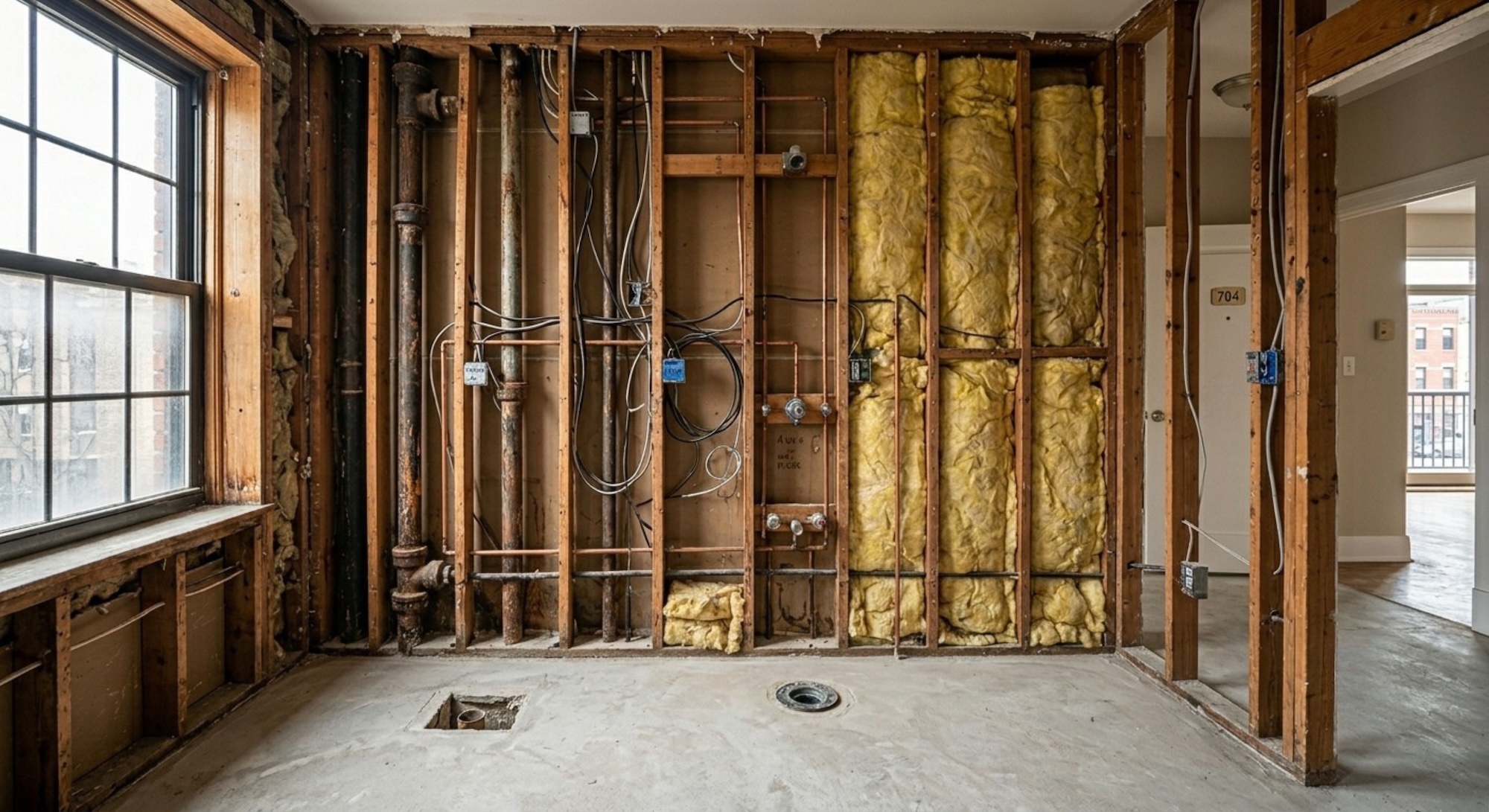
That history shows up the moment you open a basement. Old drain tile that silted up decades ago, mechanical systems parked in the middle of the floor plan, low spots where water has clearly visited before. None of it rules out a remodel. It just means the plan has to respect the building, and the budget has to respect what the walls and slab might be hiding, the same logic we covered in our guide to hidden remodel costs in Chicago.
What the Chicago Building Code Requires Below Grade
Chicago modernized its building code in 2019, and the changes made more basements viable than most owners realize.
Ceiling height
Habitable basement spaces and hallways within a dwelling unit need a finished ceiling height of at least 7 feet, measured from finished floor to finished ceiling. That is six inches lower than the old 7-foot-6 standard, and the difference puts a lot of vintage Chicago basements in play that did not qualify a decade ago. Bathrooms and laundry rooms can drop to 6 feet 8 inches, and isolated obstructions like beams and ductwork can project down to 6 feet 4 inches.
Egress and light
Any basement sleeping room needs a code-compliant emergency escape and rescue opening, which usually means an egress window with a window well. Habitable basement spaces also carry natural light and ventilation requirements, which is why window placement gets decided early in the design, not after framing.
Permits
Basement work that touches framing, plumbing, or electrical typically requires a permit in Chicago, and inspectors pay particular attention to below-grade bathrooms and bedrooms. Our Chicago building permits and codes guide walks through how the process works and what triggers a review.
Moisture Work Comes First, Always
Every successful Chicago basement remodel is a moisture project wearing a design project's clothes. Before finishes, the slab and walls get evaluated, drainage gets corrected where needed, and the floor gets built as a system rather than a surface.
On a recent Lincoln Park single-family basement we transformed from unfinished storage into full living space, the luxury vinyl plank flooring went down over dedicated moisture barriers and a subfloor system, not straight onto the slab. The mechanicals were relocated and concealed with the access panels code requires, which freed the floor plan instead of designing around a furnace in the middle of the room. That sequence, moisture first, mechanicals second, finishes last, is the whole game below grade.
Skipping that sequence is how basements fail. Carpet glued to a cold slab, drywall hung tight to a damp foundation wall, and a dehumidifier doing the job a vapor barrier should have done are the three most common sins we demo out of Chicago basements.
What a Finished Chicago Basement Can Become
Family and entertaining space
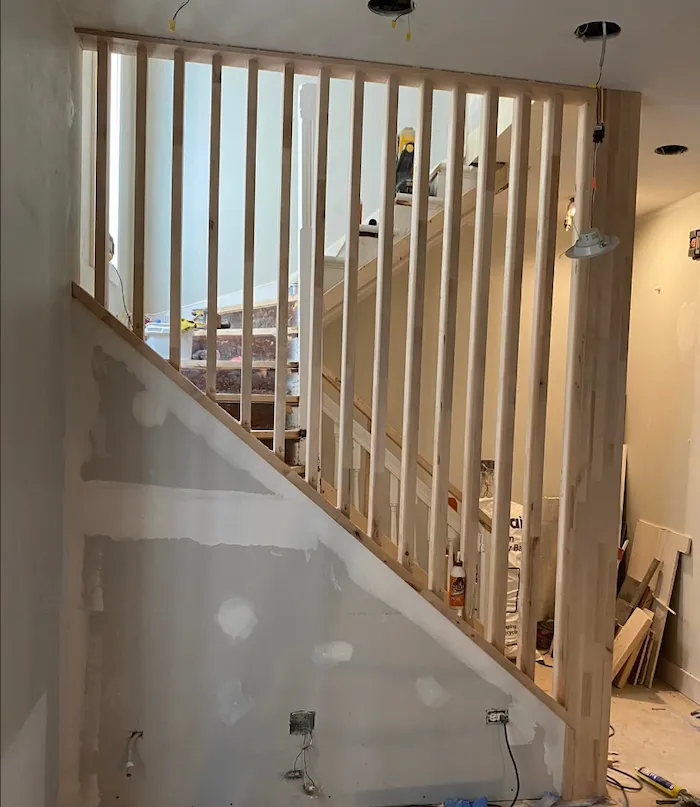
The most common ask is the simplest: a rec room, media space, or playroom that doubles the home's usable living area without touching the footprint. In Lincoln Park and similar neighborhoods where moving up means seven figures, finishing the basement is usually the highest-leverage square footage a homeowner owns. Well-planned custom carpentry and built-ins earn their keep down here, turning awkward corners under stairs and around columns into storage and media walls.

A full bathroom below grade
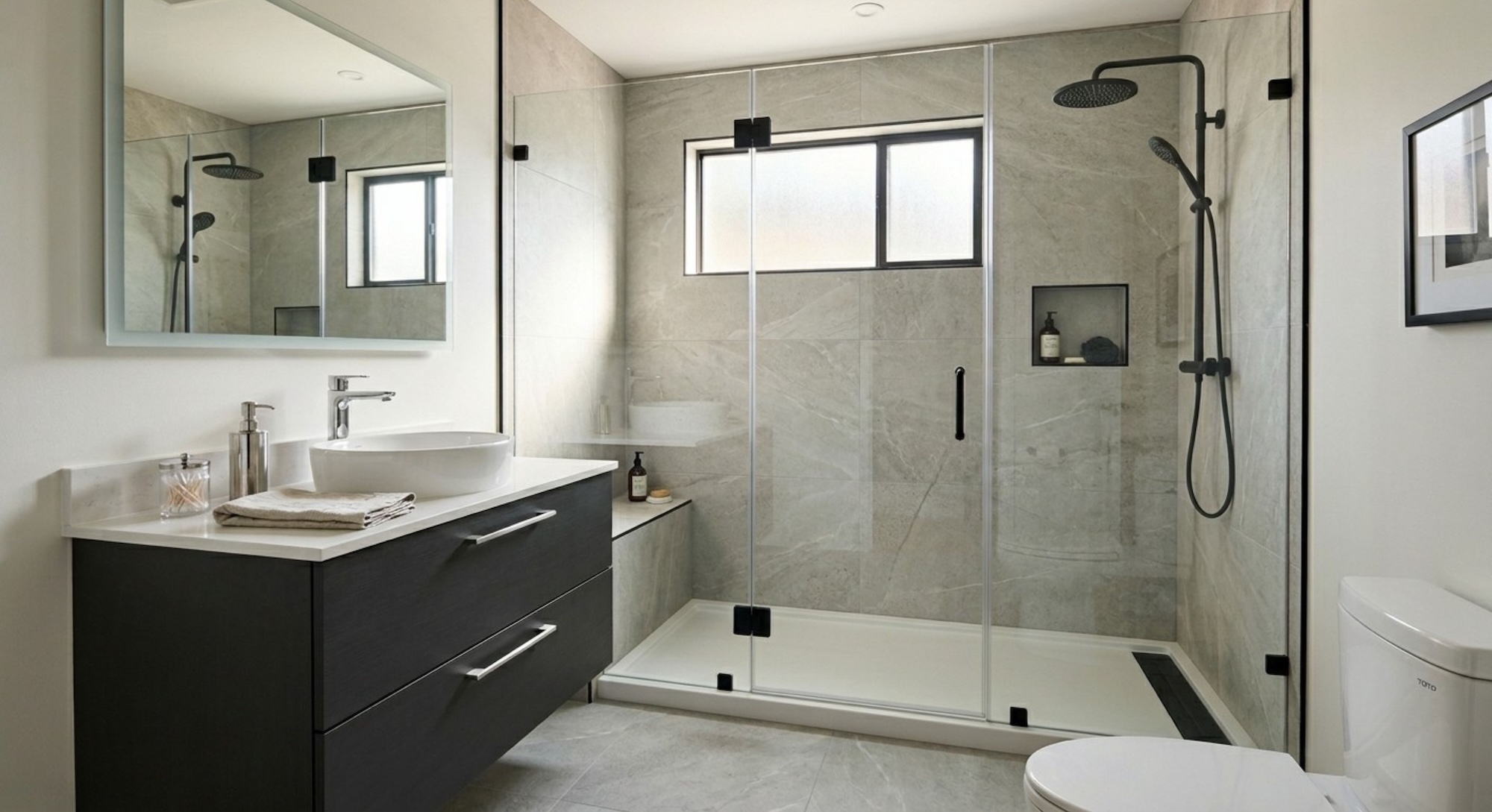
A basement bathroom changes how the whole level gets used, and it is completely achievable in Chicago. Below-grade plumbing typically drains to an ejector pump when the fixtures sit lower than the sewer line, and waterproofing standards are higher than an above-grade bath. The Lincoln Park project above included a full bathroom addition, and our bathroom remodeling work below grade follows the same playbook: rough-in, waterproofing, then finishes.

A legal rental or in-law unit
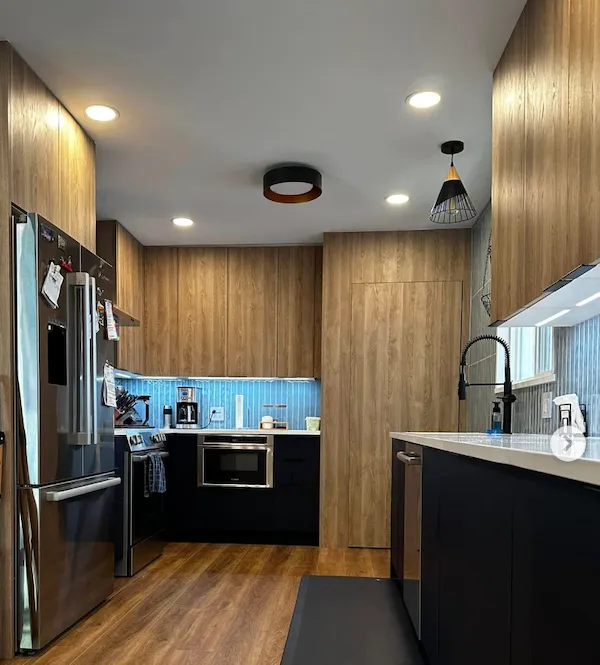
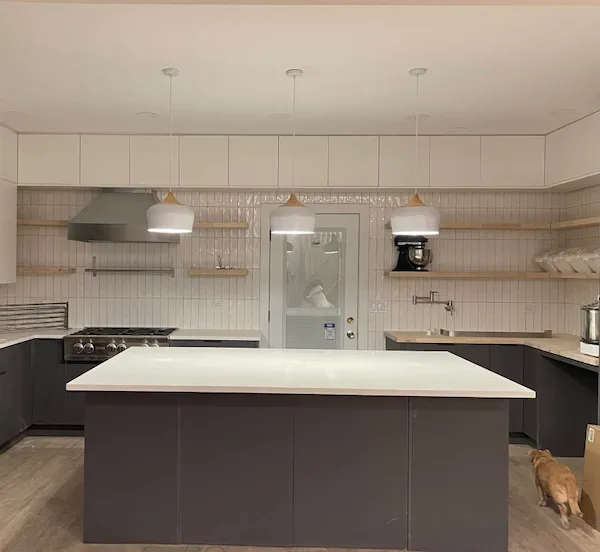
This is the big change. Chicago's citywide ADU ordinance took effect on April 1, 2026, ending decades of restrictions on basement apartments. Conversion units are now allowed by right in two-flat, townhouse, and multi-family zoning districts, with some single-family districts available where the local alderperson opts in. The unit still has to meet full code, including the 7-foot ceiling standard throughout the habitable space and proper egress, and the kitchen build follows the same standards as any kitchen remodeling project upstairs. For owners of two-flats and three-flats, a code-compliant garden unit is now a rentable asset instead of a gray area.

Budget, Timeline, and Scope
Basement projects reward honest scoping. A straightforward finish with no bathroom moves fastest. Adding a bathroom adds plumbing rough-in and inspection time. Adding an ADU adds kitchen, egress, and occupancy requirements on top of that. The Lincoln Park transformation, a full finish including the bathroom addition, mechanical relocation, and storage, ran five weeks of construction.
For real numbers by scope, start with our basement finishing cost guide and carry a contingency for what the slab and walls might reveal. Owners tackling the basement alongside other floors often fold it into a whole home renovation so the mechanical, electrical, and design decisions get made once instead of twice. And while true basements are rare in high-rises, townhome and duplex-down owners deal with the same below-grade moisture and ceiling-height realities, which is where our condo renovation experience overlaps. Our basement finishing page covers how we approach the work from evaluation through final inspection.
Chicago Basement Remodeling FAQ
Do I need a permit to remodel a basement in Chicago?
Yes, if the work touches framing, plumbing, or electrical, which nearly every real basement remodel does. Cosmetic work like paint and flooring over an already-finished space generally does not trigger one. Permitted work is also what makes the square footage count when you sell or rent the space.
What ceiling height does a Chicago basement need to be finished?
Habitable spaces need at least 7 feet of finished ceiling height under the current Chicago Building Code, down from the old 7-foot-6 requirement. Bathrooms and laundry areas can go as low as 6 feet 8 inches, and beams or ducts can project down to 6 feet 4 inches. Measure from your future finished floor, not the bare slab, since subfloor systems take up an inch or more.
Can I turn my Chicago basement into a legal apartment?
In many cases, yes. The citywide ADU ordinance that took effect April 1, 2026 allows basement conversion units by right in two-flat and multi-family zoning districts, with some single-family areas available where the alderperson has opted in. The unit must meet full code: 7-foot ceilings, egress, light and ventilation, and an inspection before occupancy.
How do you keep a finished basement dry in Chicago?
By solving water before finishing anything. That means correcting exterior grading and drainage where needed, using vapor barriers and a proper subfloor system rather than installing flooring on the slab, and keeping finished walls off damp foundation walls. A dehumidifier is a supplement, not a waterproofing strategy.
Can you add a bathroom to a basement?
Yes. When fixtures sit below the sewer line, the bathroom drains to an ejector pump, which is standard equipment in Chicago basements. Expect stricter waterproofing than an upstairs bath and a plumbing inspection as part of the permit process.
How long does a basement remodel take in Chicago?
A full basement finish typically runs five to eight weeks of construction depending on scope. A recent Lincoln Park project that included a full bathroom addition, mechanical relocation, and built-in storage ran five weeks. Adding an ADU kitchen and egress work extends the schedule.
Is finishing a basement worth it in Chicago?
For most Chicago homeowners, the basement is the least expensive livable square footage they can add, since the structure, foundation, and roof already exist. In neighborhoods where larger homes carry steep premiums, finishing down often costs a fraction of moving up. The value holds only if the work is permitted and the moisture plan is real.