

Do You Need a Building Permit for a Kitchen or Bathroom Remodel in Chicago?
Chicago maintains some of the strictest building codes in the country, ensuring safety and quality in all renovation work. Navigating permits and codes seems daunting but proves essential for protecting your investment and avoiding expensive problems when selling. This comprehensive guide explains exactly what permits you need, how much they cost, timelines to expect, and how to ensure your kitchen or bathroom remodel complies with Chicago building requirements.
Which Remodeling Projects Require a Chicago Building Permit?
Most kitchen and bathroom renovations in Chicago require building permits. Any work involving electrical systems, plumbing modifications, structural changes, or mechanical systems needs permits. Simple cosmetic updates like painting, cabinet refacing, or changing light fixtures typically don't require permits, but substantial renovations almost always do.
Kitchen remodels need permits when moving plumbing for sinks or dishwashers, relocating gas lines for ranges, adding or modifying electrical circuits, removing or modifying walls, installing new HVAC ductwork, or changing window or door locations. Even if maintaining existing layouts, upgrading electrical panels or replacing old wiring requires permits.
Bathroom renovations require permits for moving toilets, sinks, or showers, installing new plumbing fixtures, adding or relocating electrical circuits, installing exhaust fans with exterior venting, making structural changes, or adding egress windows for basement bathrooms. Tub-to-shower conversions, while seemingly straightforward, typically require plumbing permits.
Work not requiring permits includes painting walls and ceilings, installing new cabinet hardware, replacing existing light fixtures with similar types, refinishing existing floors, installing removable items like shelving, or changing cabinet doors without altering boxes. When unsure, consult with licensed contractors or call Chicago's Department of Buildings.
How Much Does a Chicago Building Permit Cost for a Remodel?
Kitchen remodeling permits in Chicago cost $1,800-4,200 depending on project scope. Basic kitchen updates maintaining layouts with minor electrical and plumbing work cost toward lower range. Extensive renovations involving structural changes, layout modifications, and major system upgrades cost more. Permit fees fund plan review, multiple inspections, and administrative processing.
Bathroom permits run $800-1,500 for typical projects. Powder room additions or updates cost less than primary bathroom renovations with complex plumbing and electrical. The city calculates permit fees based on estimated project costs and scope of work involved.
Separate permits may be needed for electrical, plumbing, and mechanical work depending on project complexity. Electrical permits cost $200-600, plumbing permits run $300-800, and mechanical permits for HVAC work cost $250-700. Major renovations might need multiple permits totaling $2,500-5,000 or more.
Permit costs seem high but represent small percentages of total renovation budgets. More importantly, permits ensure work meets safety codes and provide documentation protecting home values. Unpermitted work discovered during sales creates serious problems including buyer walk-aways, requirement to remove improvements, or significant price reductions.
How Do You Apply for a Building Permit in Chicago?
Licensed contractors typically handle permit applications, submitting detailed plans showing all proposed work. Applications include architectural drawings for structural changes, plumbing diagrams showing fixture locations and drain routing, electrical plans indicating circuits and outlets, and HVAC layouts if applicable. Complete, accurate applications process faster than incomplete submissions.
Submit applications to Chicago Department of Buildings online through their permitting portal or in person at permit offices. Online applications offer convenience but require digital plan files. In-person submissions allow immediate clarification of questions but involve waiting in lines.
Plan review takes 3-5 weeks after complete application submission. Reviewers verify proposed work complies with building codes, zoning requirements, and safety standards. Incomplete applications get rejected, restarting the review timeline. Work with experienced contractors who submit complete applications first time.
Once approved, permits remain valid for specific periods requiring work completion within established timeframes. Extensions are possible but require additional applications. Starting work before permit approval risks stop-work orders, fines, and requirements to remove completed improvements.
What Inspections Are Required During a Chicago Remodel?
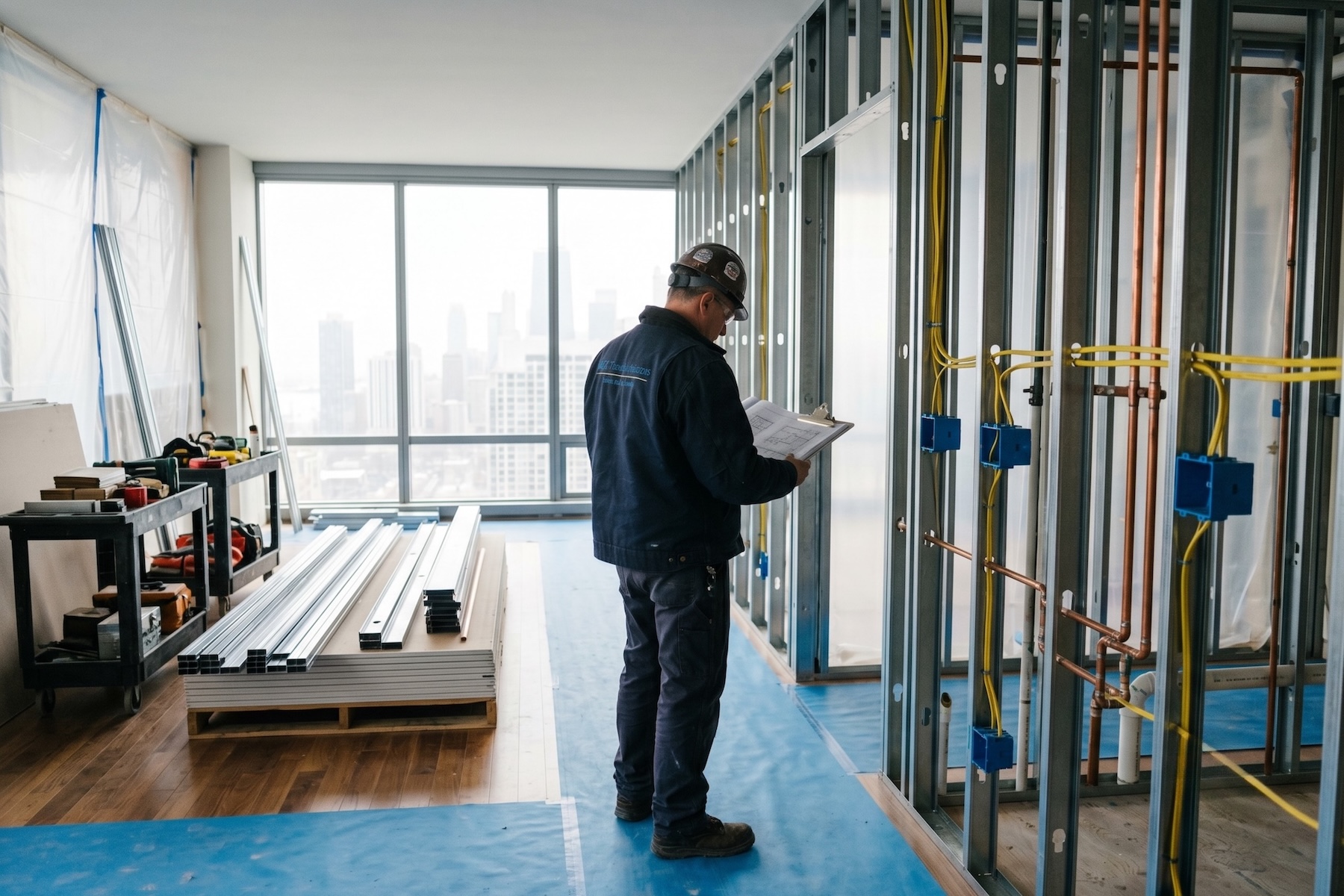
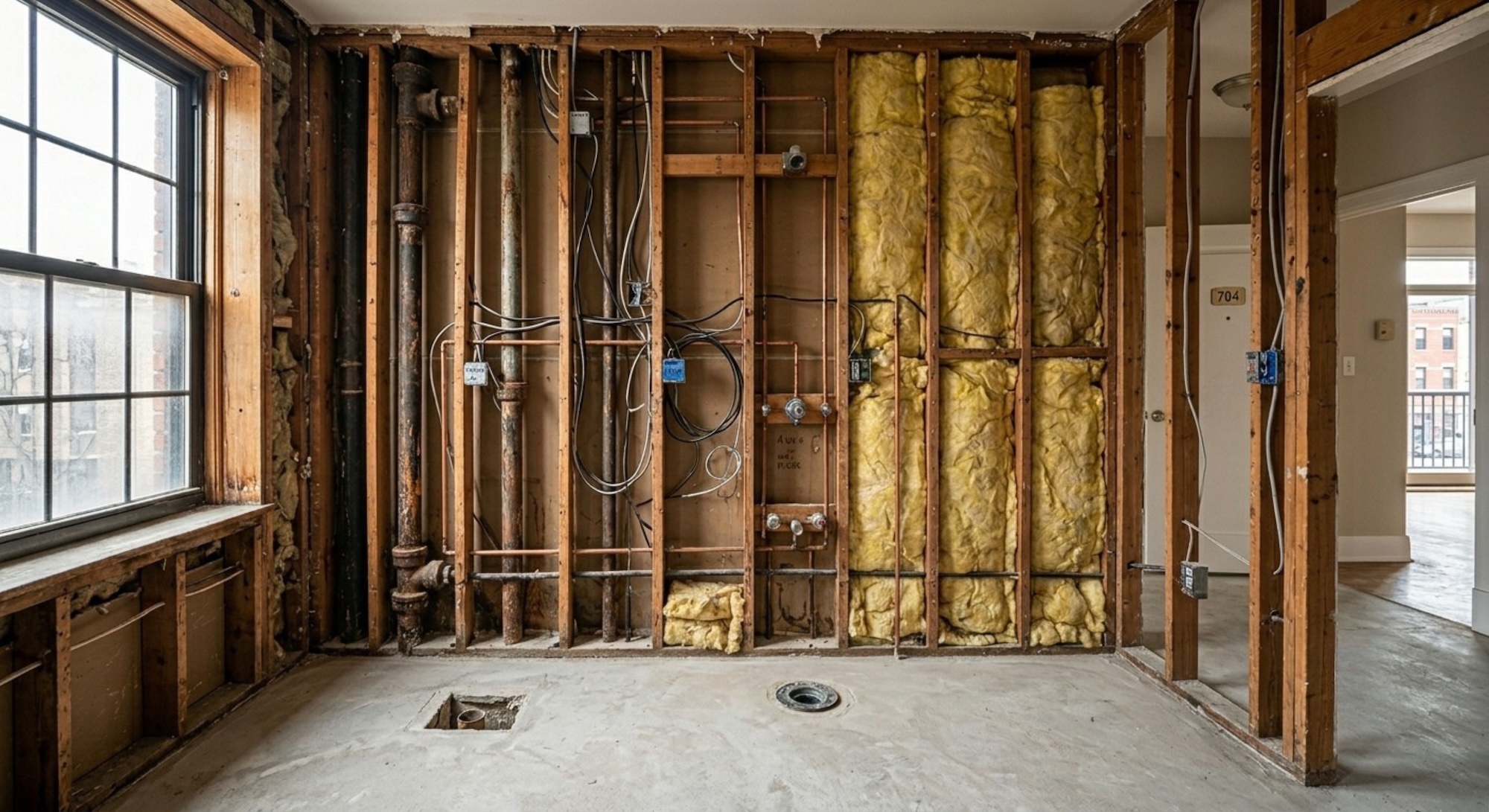
Chicago building codes require inspections at multiple project stages. Rough-in inspections occur after framing, electrical wiring, and plumbing installation but before walls close. Inspectors verify proper installation, code compliance, and safety. Failed rough-in inspections require corrections before proceeding.
Inspections must be scheduled 2-3 days in advance through online portals or phone calls. Contractors coordinate inspection timing with construction progress, ensuring readiness when inspectors arrive. Missed inspections due to scheduling errors add days to project timelines.
Final inspections happen after complete project completion. Inspectors verify all work matches approved plans, meets code requirements, and functions properly. Passing final inspection closes permits and provides documentation of code-compliant work. Some inspectors issue correction lists requiring fixes before final approval.
Common inspection failures include improper drain slopes in plumbing, inadequate electrical grounding, missing GFCI outlets in wet areas, improper ventilation installation, and work not matching approved plans. Experienced contractors know exactly what inspectors look for and pass inspections first time, preventing costly delays.
What Are the Chicago Building Code Requirements for Kitchens?
Chicago kitchen codes establish minimum standards for safety and function. Electrical requirements include dedicated circuits for refrigerators, separate circuits for dishwashers and disposals, GFCI protection for outlets within six feet of sinks, adequate lighting with minimum foot-candle requirements, and proper grounding throughout. Modern kitchens often need electrical panel upgrades to support increased loads.
Plumbing codes require proper vent sizing for drains, adequate water pressure for fixtures, backflow prevention for dishwashers, proper drain slopes preventing standing water, and gas line sizing matching appliance requirements. Flexible gas connectors for ranges must be accessible for inspection, not hidden behind walls or cabinets.
Ventilation requirements mandate range hoods venting to exterior for gas ranges. Recirculating hoods don't meet code for gas cooking, requiring ducted systems. Duct sizing, fan capacity, and exterior termination locations all have specific requirements ensuring proper exhaust.
Fire safety codes require smoke detectors in kitchens and adjacent areas, fire-rated assemblies between units in multi-family buildings, and proper clearances between combustibles and cooking appliances. Gas ranges need specific clearances to cabinets and walls unless protected by approved materials.
What Are the Chicago Building Code Requirements for Bathrooms?
Bathroom electrical codes mandate GFCI protection for all outlets, dedicated circuits for electric heaters, proper exhaust fan sizing based on room volume, and lighting meeting minimum brightness requirements. Outlets cannot be located within shower or tub zones where water contact is possible.
Plumbing codes establish minimum fixture clearances. Toilets need 15 inches from centerline to walls or other fixtures, 21 inches minimum clearance in front, and adequate space for comfortable use. Showers require minimum 30x30 inch interior dimensions with proper drain slopes. Water pressure must meet minimum standards while not exceeding maximum levels.
Ventilation requirements mandate exhaust fans in bathrooms without operable windows. Fan capacity must match room volume, removing moisture effectively. Fans must vent to exterior, not into attics or soffits. Ductwork requires proper sizing and termination preventing moisture damage.
Waterproofing standards require proper membranes in shower areas, around tubs, and on floors in wet zones. These moisture barriers protect structural components and prevent water damage to adjacent spaces or units below. Codes specify approved materials and installation methods.
Accessibility considerations increasingly influence bathroom codes. While full ADA compliance isn't required for private homes, many homeowners voluntarily incorporate accessible features like curbless showers, grab bar blocking, and comfort-height toilets. These features improve safety and appeal to wider buyer pools.
Are There Extra Permit Requirements for Chicago Condos and Multi-Unit Buildings?
Condominiums and multi-unit buildings face additional requirements beyond standard building codes. HOA or condo association approval is mandatory before applying for city permits. Buildings review proposed work ensuring compliance with association rules, building structural capacity, and neighbor impact considerations.
Association approval processes take 4-8 weeks requiring detailed applications including renovation plans, contractor information, insurance certificates, and material specifications. Application fees run $350-850 depending on building and scope. Some associations require engineering reviews for structural or plumbing modifications affecting building systems.
Sound transmission requirements apply in multi-family buildings. Floor assemblies need specific Sound Transmission Class (STC) ratings preventing noise transfer between units. Bathroom and kitchen renovations touching floor structures must maintain or improve sound ratings. This sometimes requires special underlayment or construction techniques.
Fire-rated assemblies between units cannot be compromised during renovations. Penetrations through fire-rated walls for plumbing or electrical require proper fire-stopping materials. Inspectors verify fire rating preservation during rough-in inspections.
Shared plumbing stacks create coordination requirements. Work affecting vertical plumbing serving multiple units needs coordination with building management and sometimes adjacent unit owners. Buildings may require specific work hours or procedures minimizing disruption to shared systems.
Do You Need Special Permits to Remodel in a Chicago Historic District?
Properties in Chicago's historic districts like portions of Lincoln Park face additional approval layers. The Commission on Chicago Landmarks reviews proposed work affecting building exteriors, historic character, or significant interior features. Not all interior work requires landmark review, but modifications visible from public rights-of-way do.
Window replacements in historic districts need Commission approval. New windows must match original profiles, materials, and muntin patterns. Kitchen or bathroom renovations involving window changes require landmark review before building permits can be obtained. The approval process adds 6-10 weeks to timelines.
Exterior modifications affecting facades, rooflines, or architectural details require landmark approval. Kitchen exhaust vents, bathroom exhaust terminations, or other penetrations visible from streets need Commission review. Approvals may specify locations, materials, or designs maintaining historic character.
Interior work not affecting significant architectural features generally doesn't require landmark review. However, verify your property's designation and understand requirements before planning renovations. Landmark staff provide guidance on what requires Commission approval versus routine building permits.
Working with contractors experienced in historic buildings proves valuable. They understand Commission expectations, know how to prepare appropriate applications, and can suggest approaches satisfying both modern needs and historic preservation requirements.
What Happens If You Remodel Without a Permit in Chicago?
Unpermitted renovations create serious problems during home sales. Title companies often require permit documentation for recent improvements. Buyers can demand proof that work was permitted and inspected or negotiate significant price reductions. Some buyers simply walk away from properties with unpermitted work.
Discovering unpermitted work during sales sometimes requires complete removal of improvements and restoration to original conditions. This expensive, disruptive process costs far more than original permit fees. Alternatively, obtaining after-the-fact permits requires opening walls to expose work for inspection, then repairing everything afterward.
Homeowner's insurance may not cover damage related to unpermitted work. Fire, water damage, or structural issues connected to unpermitted renovations could result in denied claims. This insurance gap creates significant financial exposure.
The city can issue violations for unpermitted work discovered through complaints or other means. Violations require correction, often including fees and penalties. Continued non-compliance can result in liens against properties.
Beyond legal and financial issues, unpermitted work often doesn't meet safety codes. Improper electrical work creates fire hazards. Inadequate plumbing causes water damage. Structural modifications without engineering review risk failure. Permits and inspections ensure work meets safety standards protecting families and properties.
Why Should Your Contractor Pull the Permit in Chicago?
Illinois law requires contractors performing work over $1,000 to be licensed. Chicago requires city contractor licenses as well. Verify contractor licensing through online databases before hiring. Licensed contractors can legally pull permits, hire required subcontractors, and coordinate inspections.
Unlicensed contractors cannot obtain permits legally. Homeowners pulling their own permits for work performed by unlicensed contractors violate building codes and assume all liability. This risky approach creates the same problems as unpermitted work plus potential personal liability for injuries.
Licensed contractors understand building codes and permit requirements. They submit complete applications, schedule inspections appropriately, and ensure work meets code. This expertise prevents failed inspections, project delays, and code compliance issues.
Insist on licensed contractors even when they cost more than unlicensed alternatives. The price difference pays for expertise, insurance protection, legal compliance, and peace of mind. Cheap unlicensed work creates expensive problems long after projects complete.
Request proof of contractor licenses, liability insurance, and workers compensation coverage before signing contracts. Verify coverage amounts meet minimum requirements and confirm policies remain current. This protection guards against liability if accidents occur during construction.
How Much Time Do Permits and Inspections Add to a Remodel?
Permit acquisition adds 3-5 weeks to project timelines before construction begins. This pre-construction period includes application preparation, plan review, and permit issuance. Starting work without permits risks violations, so budget this time appropriately.
Inspection scheduling adds days throughout construction. Contractors must schedule rough-in inspections before closing walls, then wait for inspector availability. Final inspections happen after completion, adding another 2-3 days for scheduling and inspector visits. Failed inspections requiring corrections add 3-5 days for fixes and re-inspection.
Total timeline impact of permits and inspections typically adds 4-6 weeks to renovation projects. Budget projects might finish faster with streamlined processes, while complex renovations face longer permit reviews and more inspection stages. Understanding these timelines helps set realistic completion expectations.
Condo projects face additional timeline extensions from HOA approval processes. Add 4-8 weeks for association review before even applying for city permits. Combined with building permits and inspections, condo renovations start 7-13 weeks after initial planning.
Takeaways
Chicago building permits and codes exist to ensure safe, quality renovations protecting homeowners and future buyers. Understanding permit requirements, costs, timelines, and code compliance helps you plan kitchen and bathroom remodels appropriately. Work with licensed contractors who handle permits professionally, submit complete applications, coordinate inspections efficiently, and ensure code-compliant work. The investment in proper permits and professional contractors delivers peace of mind, protects property values, and ensures renovations serve families safely for decades. Never skip permits to save money or time as consequences far exceed any perceived savings.