
How Long Does a Kitchen Remodel Take in Chicago?
When planning a kitchen remodel in Chicago, one of the first questions homeowners ask is how long the project will take. The answer depends on project scope, building type, permit requirements, and material selections. This comprehensive guide breaks down exactly what to expect at each phase of your Chicago kitchen renovation, helping you plan around work schedules, life events, and daily routines.
What Does the Full Kitchen Remodel Timeline Look Like?
Most Chicago kitchen remodels take 8-16 weeks from initial planning to final completion. Budget refreshes maintaining existing layouts require 8-10 weeks total. Mid-range renovations with semi-custom cabinetry take 10-14 weeks. Extensive remodels with custom everything and layout modifications span 12-16 weeks or longer.
However, the total timeline includes much more than just construction. Pre-construction planning, design, permits, and material ordering add 6-10 weeks before any demolition begins. Understanding the complete timeline prevents frustration and allows proper planning around your schedule.
Condo and high-rise renovations extend timelines 25-40% beyond single-family homes due to HOA approval processes (4-8 weeks), restricted work hours (9am-4pm weekdays only), and building coordination requirements. Factor these extensions when planning condo kitchen projects.
Phase 1: Planning and Design (3-6 Weeks)
The planning phase deserves adequate time as decisions made now affect everything downstream. Rush this phase and you'll face expensive changes during construction. Initial consultations with contractors or designers help you understand possibilities within your space and budget. You'll discuss layout options, material selections, appliance choices, and project scope.
Design development takes 2-4 weeks as you work through cabinet configurations, countertop selections, backsplash designs, flooring choices, and lighting plans. For projects requiring architectural or structural changes, add 1-2 weeks for design refinement and engineering consultation.
Material selection and ordering happens concurrently with design. Stock cabinets arrive in 2-4 weeks, semi-custom require 4-8 weeks, and full custom need 6-12 weeks from order to delivery. Countertop fabrication takes 2-3 weeks after template. Appliances ship in 1-4 weeks depending on brand and model. Order everything before construction begins to avoid delays.
Budget 3-6 weeks total for planning and design in straightforward projects. Complex renovations with custom everything need 6-10 weeks. This phase investment prevents problems and ensures you get exactly what you want.
Phase 2: Permits and Approvals (3-8 Weeks)
Chicago building permits require 3-5 weeks for plan review and approval after complete applications submit. Your contractor handles this process, submitting detailed plans showing all work. Permits cost $1,800-4,200 depending on scope. Most significant kitchen renovations need permits for plumbing, electrical, or structural work.
Condo and high-rise projects add HOA approval requirements before city permits can even be filed. HOA review takes 4-8 weeks depending on building review schedules and application completeness. Buildings require detailed plans, contractor information, insurance certificates, and material specifications. Application fees run $350-850.
Historic districts like portions of Lincoln Park need Commission on Chicago Landmarks approval for exterior modifications affecting windows, skylights, or facades. This review adds 6-10 weeks and may require preservation consultant involvement. Interior work generally doesn't require landmark approval but verify your property status.
Start permit and approval processes early - immediately after finalizing plans. These timelines run concurrently with material ordering, so good planning prevents delays. Never start work before approvals complete. Stop-work orders, fines, and requirements to remove completed work cost far more than patience.
Phase 3: Demolition (2-5 Days)
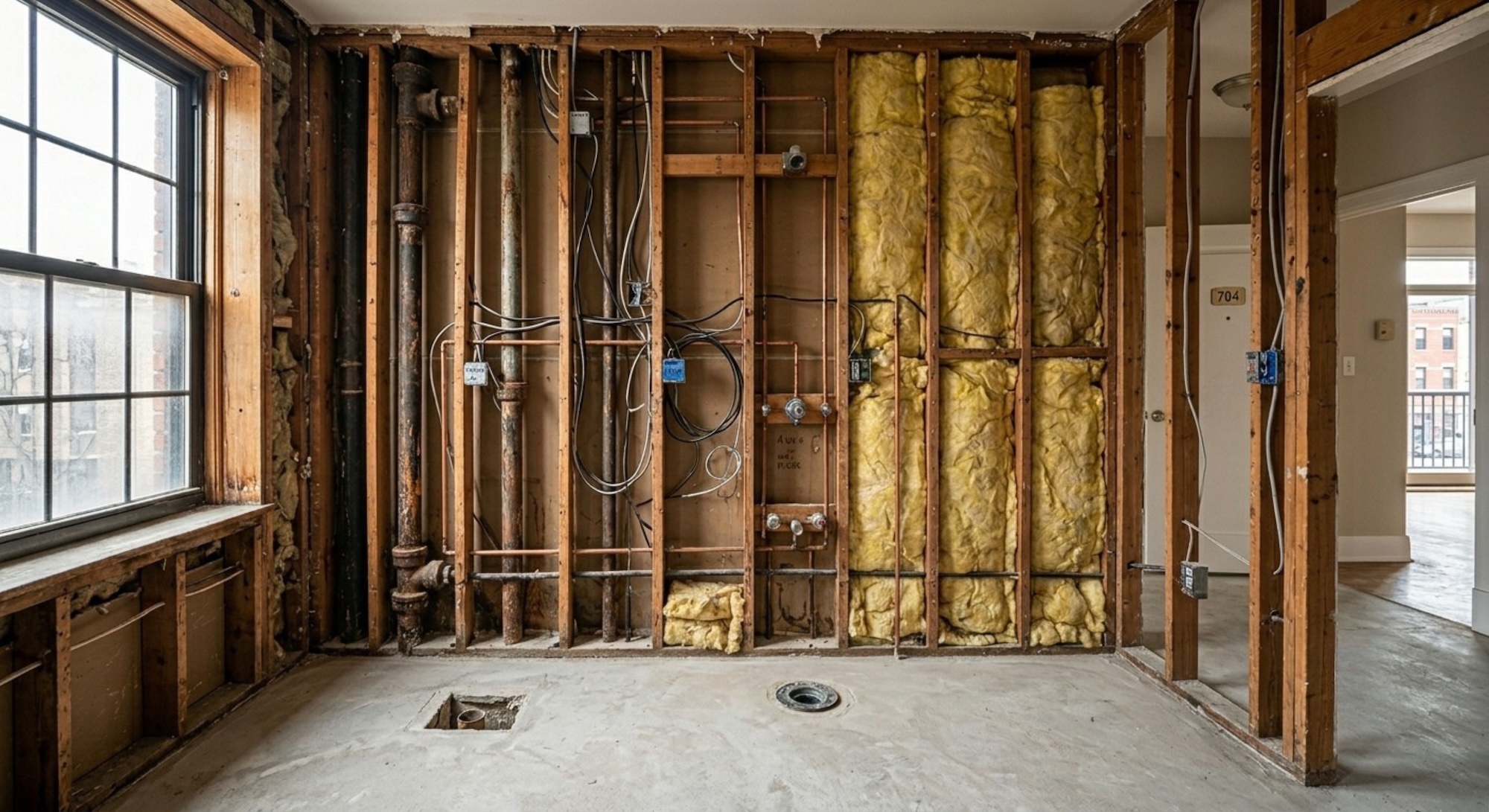
Once permits approve and materials arrive, construction begins with demolition. Removing existing cabinets, countertops, appliances, and flooring typically takes 2-3 days in standard kitchens. Larger kitchens or those with extensive tile removal need 3-5 days.
Demolition often reveals surprises in Chicago's aging housing stock. Outdated wiring, galvanized pipes, water damage, or structural issues only become visible after opening walls. Experienced contractors anticipate these possibilities and build contingency time into schedules. Budget 1-2 extra days for addressing common surprises in pre-1970 homes.
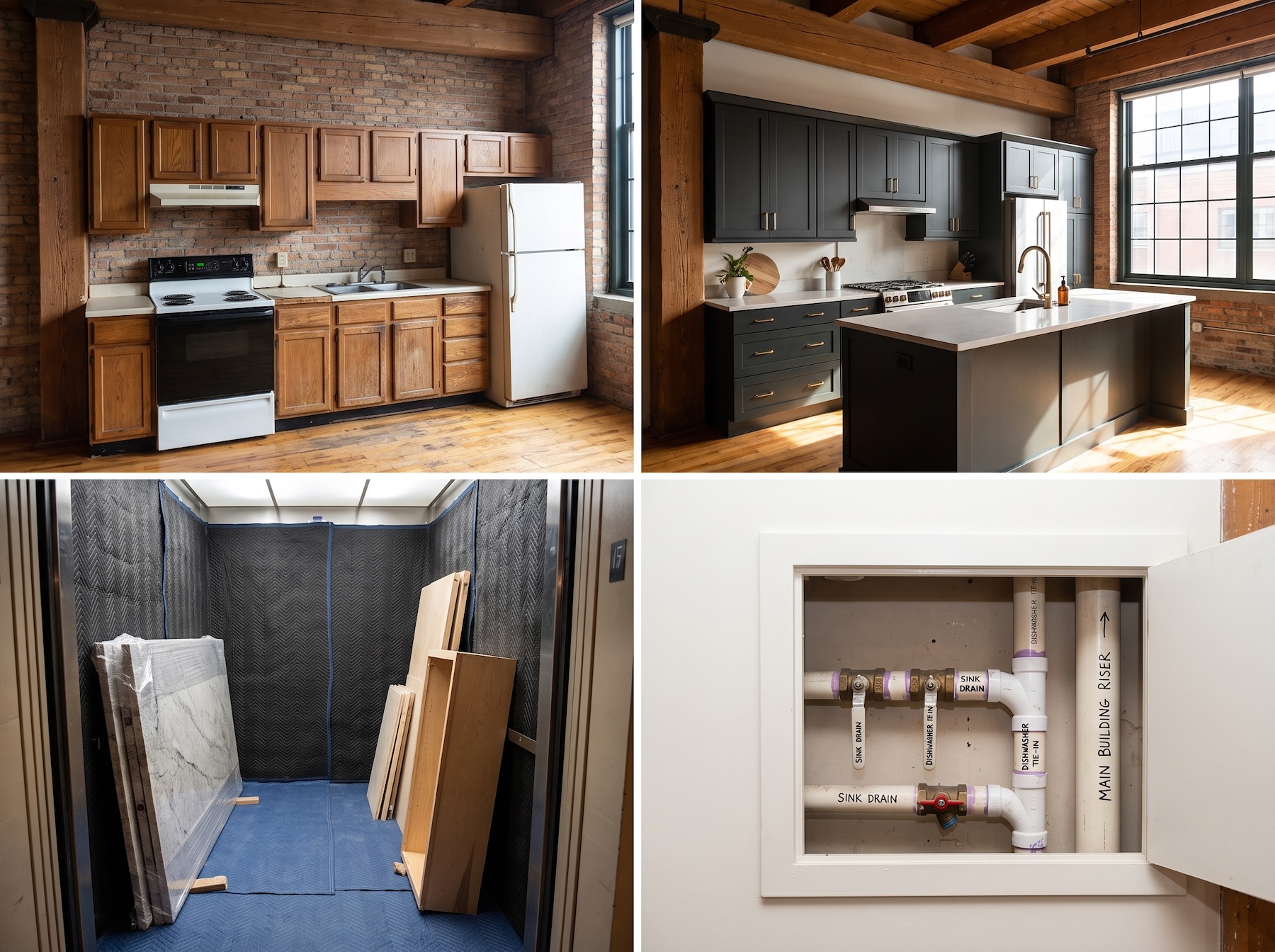
Condo demolition faces additional constraints. Building restrictions typically limit loud work to specific hours or days. Debris removal requires bagging, service elevator use, and compliance with building rules. These requirements don't increase days needed but do slow progress within each day.
Professional contractors protect your home during demolition. Plastic barriers contain dust, floor protection prevents damage, and daily cleanup maintains livability. Living through demolition proves challenging but proper protection makes it manageable.
Phase 4: Rough-In Work (3-7 Days)
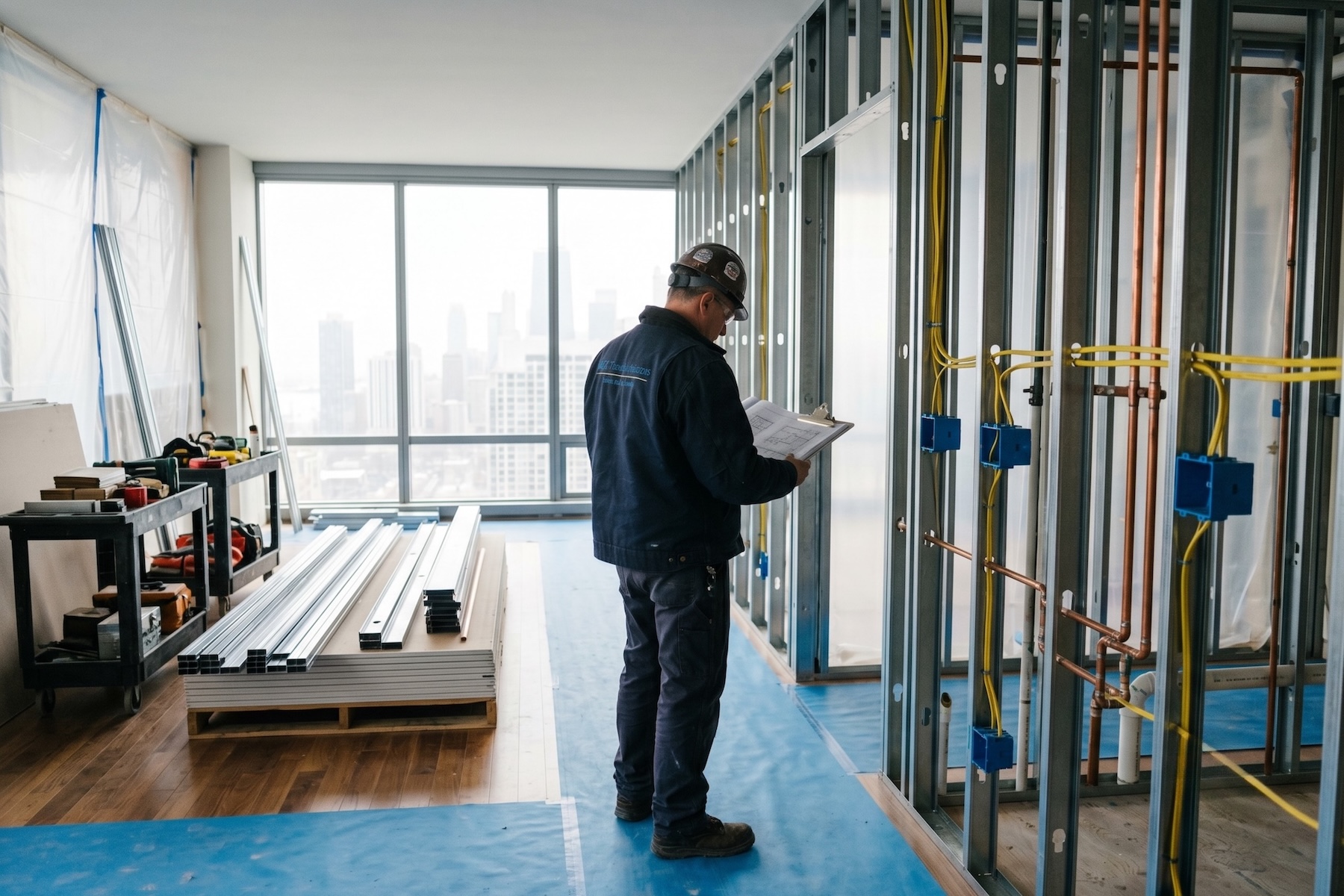
After demolition, rough-in work installs or modifies plumbing, electrical, HVAC, and structural systems before walls close. This critical phase typically takes 3-5 days in projects maintaining existing layouts. Layout changes requiring plumbing relocations, new gas lines, or structural modifications need 5-7 days or more.
Plumbing rough-in includes running new water supply lines, relocating drains if needed, installing gas lines for ranges, and roughing in dishwasher connections. Chicago's strict plumbing codes require licensed plumbers for all work. Vintage buildings sometimes need main line updates if old galvanized pipes are discovered, adding 1-2 days.
Electrical rough-in installs new circuits for appliances, outlets, and lighting. Modern kitchens require dedicated circuits for refrigerators, dishwashers, microwaves, and disposals plus adequate outlets and lighting circuits. Panel upgrades add 1 day if current capacity proves insufficient for planned loads.
City inspectors must approve rough-in work before walls close. Schedule inspections 2-3 days in advance. Failed inspections require corrections and reinspection, potentially adding 3-5 days. Experienced contractors know exactly what inspectors look for and pass first time.
Phase 5: Drywall and Paint (5-7 Days)
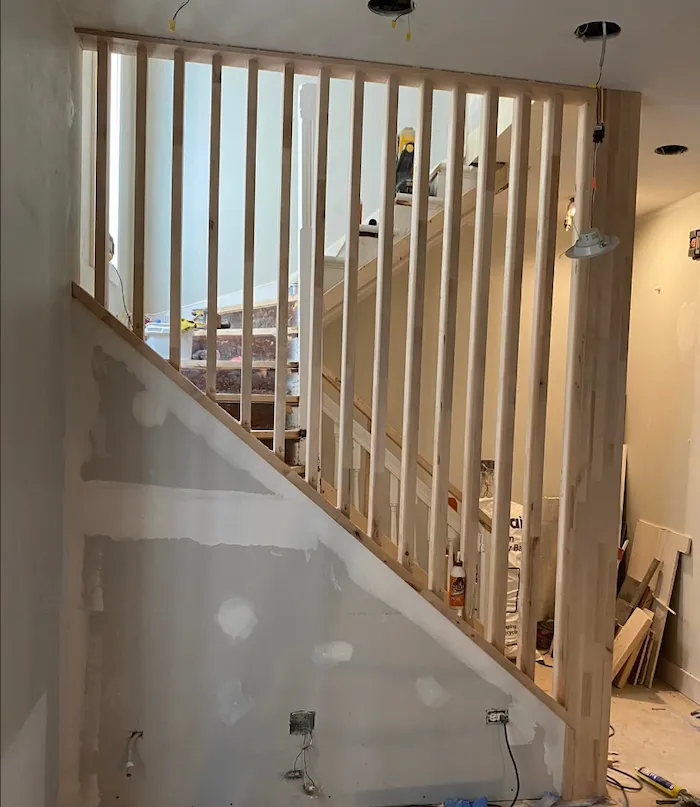
With rough-in approved, contractors install and finish drywall. Hanging drywall takes 1 day, taping and mudding require 2-3 days with drying time between coats, and sanding needs 1 day. Total drywall work spans 4-5 days from start to finish.
Painting follows drywall completion. Prime coat and two finish coats take 2-3 days including drying time. Ceiling paint, wall paint, and trim paint all require separate attention. Many contractors paint before cabinet installation to avoid overspray issues and allow touch-ups after cabinets install.
This phase sees less dramatic daily progress than demolition or installation phases, but proper execution ensures quality foundations for everything following. Rushed drywall or painting shows forever. Take the time to do it right.
Phase 6: Cabinet and Countertop Installation (3-5 Days)
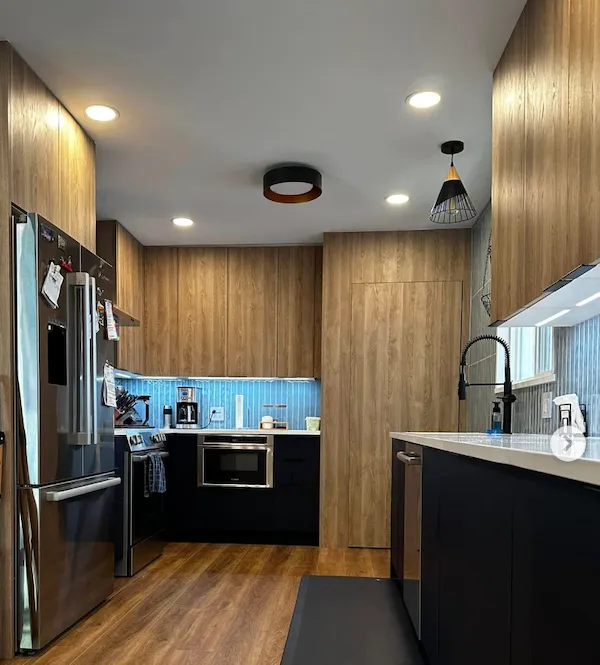
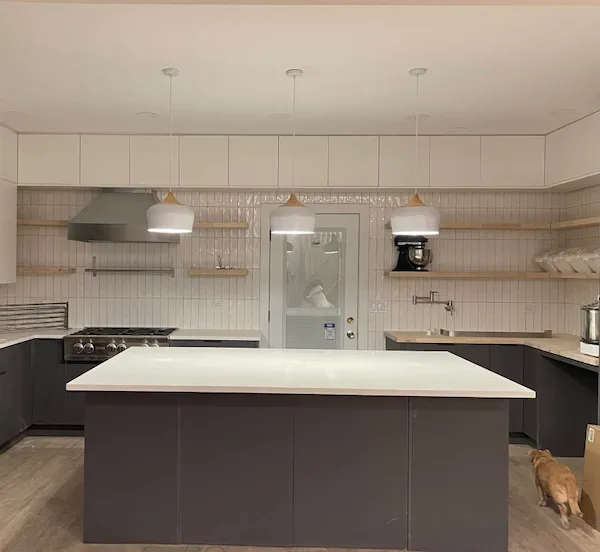
Cabinet installation marks exciting progress as your new kitchen takes shape. Installing base cabinets, wall cabinets, and specialty pieces takes 2-3 days depending on kitchen size and complexity. Custom cabinets with intricate details or specialty storage require 3-4 days. Installers must level everything perfectly and ensure proper spacing for appliances.
Countertop template occurs after cabinet installation, taking 1-2 hours. Fabricators need exact measurements before cutting stone or quartz. Template to installation spans 7-10 days for stone fabrication, cutting, finishing, and scheduling installation.
Countertop installation typically takes 1 day including removing old counters if not done during demolition, setting new tops, making cutouts for sinks and cooktops, and sealing seams. Complex installations with multiple seams, unusual angles, or specialty features need 2 days.
The gap between cabinet installation and countertop installation creates timeline breaks. Use this time for coordinating other trades like plumbers for sink rough-ins or electricians for under-cabinet lighting installation.
Phase 7: Backsplash and Flooring (4-7 Days)
Tile backsplash installation transforms kitchens visually. Simple subway tile takes 2-3 days including substrate preparation, tile setting, grouting, and cleanup. Custom patterns, specialty tiles, or floor-to-ceiling installations need 3-5 days. Tile requires setting time before grouting and grout needs curing before sealing.
Flooring installation timing depends on material type. Hardwood takes 2-3 days for installation and finishing. Tile flooring needs 3-4 days including substrate prep, tile setting, grouting, and sealing. Luxury vinyl plank installs in 1-2 days. Many contractors install flooring before cabinets, but this varies by preference and material.
This phase creates substantial dust and mess despite best efforts. Tile cutting, grout dust, and finish fumes require ventilation and cleanup. Living on-site during this phase proves particularly challenging.
Phase 8: Appliance and Fixture Installation (2-3 Days)
With surfaces complete, contractors install appliances and fixtures. Setting refrigerators, ranges, dishwashers, and microwaves takes 1-2 days including making utility connections and testing operation. Built-in appliances require precise fitting and custom panel attachment.
Plumbing fixture installation includes sinks, faucets, disposals, and water filtration if specified. Licensed plumbers handle connections ensuring proper operation and code compliance. This work takes 1 day for standard installations.
Lighting installation completes the kitchen. Hanging pendants, installing under-cabinet lights, setting recessed fixtures, and connecting switches takes 1-2 days. Complex lighting systems with multiple zones and dimming need additional time for programming and testing.
Phase 9: Final Details and Inspection (2-3 Days)
The final phase addresses details making kitchens complete and functional. Installing cabinet hardware, touch-up painting, caulking, final cleaning, and punch list items take 2-3 days. Contractors walk through identifying any imperfections needing correction.
Final city inspections verify all work meets code. Schedule these after complete installation. Inspectors verify electrical, plumbing, and overall construction quality. Passing final inspection allows official project completion and closes permits.
This phase also includes contractor teaching you about new appliances, explaining maintenance requirements, and providing warranty information. Take time to understand how everything works before contractors leave.
Does a Condo Kitchen Remodel Take Longer Than a House?
Condo and high-rise kitchen remodels face unique timeline factors. HOA approval before permits adds 4-8 weeks to pre-construction. Restricted work hours (9am-4pm weekdays) mean 30 weekly work hours versus 50-60 in unrestricted homes, extending construction phases 25-35%.
Elevator scheduling for material deliveries requires advance reservations. Missed delivery windows add days waiting for next available slots. Some buildings limit deliveries to specific days or times, creating scheduling constraints.
Noise restrictions may prohibit demolition or other loud work on certain days. Some buildings ban construction during holidays when resident occupancy peaks. These rules extend timelines but protect neighbor relationships.
Building inspections beyond city requirements sometimes apply. Engineering staff or management may require progress reviews. Coordinate these in advance to prevent delays.
What Are the Most Common Causes of Kitchen Remodel Delays?
Material delays represent the most common timeline extension. Custom cabinets, specialty appliances, or unique tile selections have lead times. Order everything early and confirm delivery dates before demolition. Last-minute substitutions often compromise design vision.
Hidden conditions in vintage buildings add time. Water damage, structural issues, or code violations require remediation before cosmetic work proceeds. Budget 1-2 weeks contingency for surprises in pre-1970 Chicago homes.
Weather affects timelines less than you might expect since kitchen work is interior. However, severe winter can delay material deliveries or prevent contractors reaching job sites on particularly bad days.
Scope changes during construction cause major delays. Every change requires new materials, revised plans, sometimes new permits, and schedule disruptions. Make all decisions during planning to avoid mid-project changes.
Poor contractor scheduling extends timelines unnecessarily. Experienced contractors coordinate trades efficiently, preventing dead time between phases. Inexperienced contractors allow gaps that add weeks to projects.
How Do You Keep Your Kitchen Remodel on Schedule?
Finalize all decisions during planning phase. Cabinet styles, countertop selections, backsplash designs, hardware choices, lighting fixtures, and paint colors should be locked before demolition. Changes during construction cause delays and cost overruns.
Order materials early, especially custom or long-lead items. Don't wait until construction starts to order cabinets or appliances. Have everything on-site or confirmed in-transit before demolition begins.
Choose experienced Chicago contractors who coordinate trades efficiently. Ask about scheduling processes during interviews. Check references specifically about timeline adherence.
Maintain flexibility for surprises. Vintage building discoveries require decisions and approvals. Refusing to adapt to necessary changes causes bigger delays than addressing issues promptly.
Communicate regularly with contractors. Weekly check-ins keep everyone aligned on schedule, identify potential delays early, and maintain momentum. Good communication prevents small issues from becoming timeline killers.
How Do You Live Without a Kitchen During a Remodel?
Most homeowners live on-site during kitchen renovations despite challenges. Set up temporary kitchen in another room with microwave, toaster oven, coffee maker, and small refrigerator. Stock paper plates and disposable utensils. Plan to eat out more or use outdoor grills.
Dust control requires vigilance. Plastic barriers help but don't eliminate dust entirely. Cover furniture and belongings in adjacent areas. Run air purifiers. Expect thorough cleaning after project completes.
Noise during construction proves unavoidable. Demolition, tile cutting, and power tools create substantial sound. Plan to be away during loudest phases if possible. Noise-canceling headphones help if working from home.
Some homeowners prefer temporary relocation for extensive renovations lasting 10+ weeks. Short-term rentals or staying with family eliminates daily disruption but adds cost and inconvenience. Weigh options based on your situation.
Takeaways
Chicago kitchen remodels typically require 8-16 weeks from planning to completion, with timelines varying based on project scope, building type, and complexity. Understanding each phase helps you plan appropriately and maintain realistic expectations. Work with experienced Chicago contractors who understand local permit requirements, anticipate vintage building challenges, and coordinate trades efficiently. Start planning early, make decisions completely before construction begins, and maintain flexibility for surprises. Whether renovating a Lincoln Park greystone kitchen or updating a South Loop condo, proper timeline planning ensures your project stays on track while delivering the kitchen you envision.