

What Do You Need to Know About Kitchen Remodeling in Lincoln Park?
Lincoln Park represents Chicago's premier residential neighborhood with tree-lined streets, historic architecture, and lakefront proximity. Homes command premium prices requiring kitchen renovations that match neighborhood standards. Whether you own a vintage greystone, classic brownstone, or modern condo, this guide covers everything Lincoln Park homeowners need to know.
How Much Does a Kitchen Remodel Cost in Lincoln Park?
Kitchen remodeling in Lincoln Park runs 18-28% above Chicago averages due to property values, parking restrictions, historic buildings, and premium material expectations. Budget refreshes start $38,000-55,000 for projects maintaining layouts while updating finishes.
Mid-range remodels represent the most common investment at $70,000-115,000. This delivers semi-custom or custom cabinetry, quality stone countertops, professional appliances, custom tile work, and premium fixtures. Projects often include layout modifications, upgraded electrical, and architectural details honoring home character.
High-end transformations exceed $125,000-250,000+ for luxury renovations. Premium projects feature fully custom cabinetry, exotic natural stone, professional appliance packages, artisan tile, designer lighting, and high-end fixtures throughout.
What Makes Lincoln Park Kitchens Different From Other Chicago Neighborhoods?
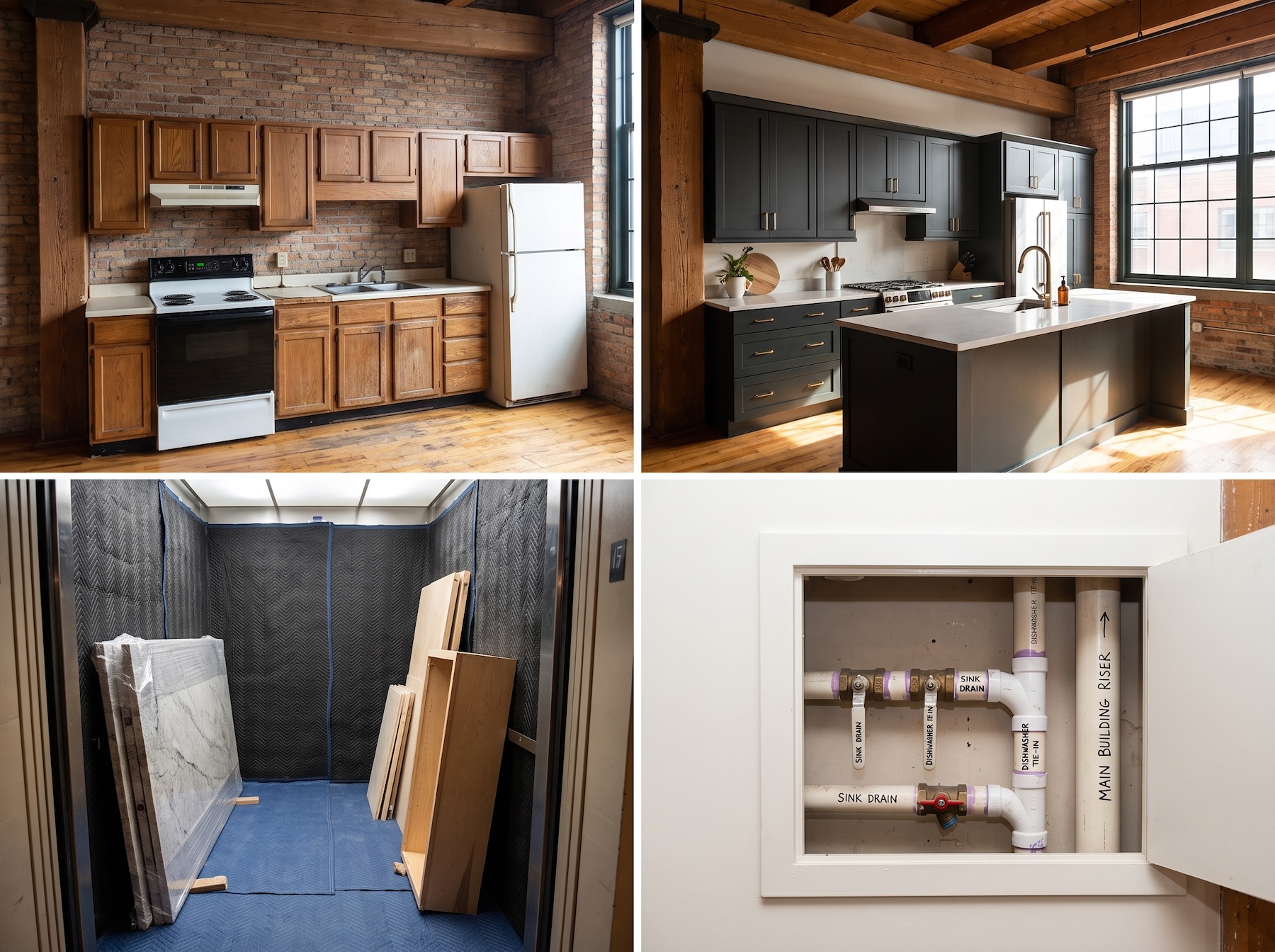
Historic architecture defines Lincoln Park's charm. Victorian homes, greystones, and brownstones built in the late 1800s feature high ceilings, ornate moldings, and period proportions. Renovations should honor this character through materials and details that complement rather than conflict with heritage. Original brick walls and architectural elements often become focal points.
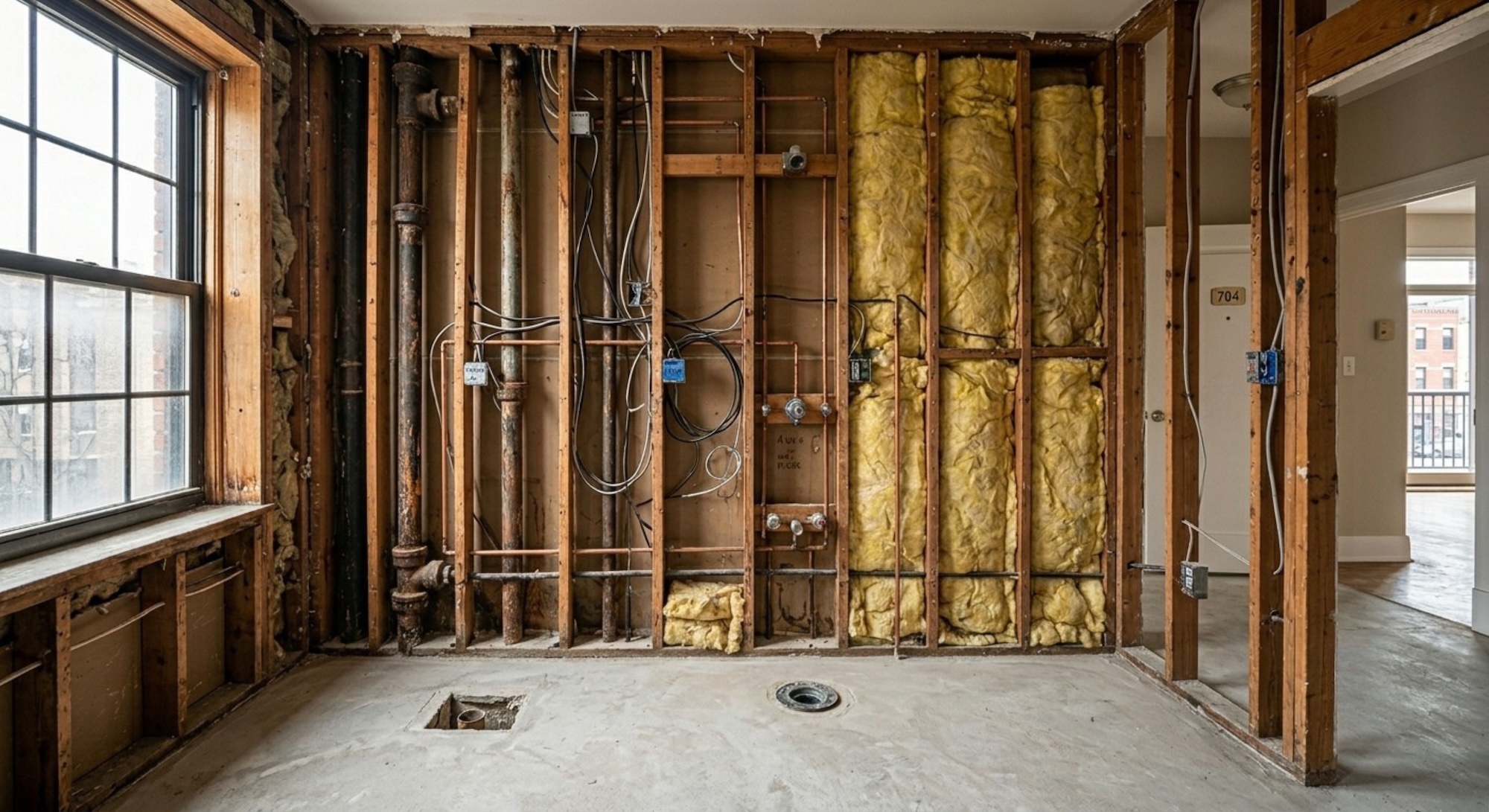
Structural considerations in vintage buildings affect possibilities and costs. Load-bearing walls limit opening kitchens without expensive beam installations. Floor joists sometimes need reinforcement for heavy stone or islands. Original systems require complete updating. Foundation settling occasionally reveals itself during renovations.
Parking restrictions impact contractor costs. Narrow streets and limited parking create delivery challenges. Many blocks have resident permits preventing contractor parking. Material deliveries require temporary arrangements or early morning slots. These logistics add time and cost.
Property values support premium renovations. Home prices substantially above Chicago averages warrant investments that might constitute over-improvement elsewhere. Buyers expect high-quality materials, professional appliances, custom finishes, and thoughtful design.
What Kitchen Design Trends Are Lincoln Park Homeowners Choosing?
Preserving character while modernizing function defines successful renovations. Original brick gets exposed and highlighted. Vintage hardwood is refinished. Historic windows are restored when possible. Cabinet styles reference period architecture through inset doors and traditional moldings but incorporate modern storage and soft-close mechanisms.
Open layouts connecting kitchens to dining and living spaces have become standard, though with thoughtful transitions. Partial walls, ceiling coffers, or floor changes define spaces while maintaining flow. This works well in greystones where original layouts created small, isolated kitchens.
Custom cabinetry dominates Lincoln Park renovations. Home values support fully custom cabinets designed for each space. Custom work allows perfect integration with architectural details, maximizes storage in unusual dimensions, and delivers furniture-quality craftsmanship. Popular styles range from traditional Shaker to contemporary flat-panel.
Natural stone countertops remain highly popular. Many homeowners prefer marble, quartzite, or granite despite maintenance requirements, accepting trade-offs for unmatched aesthetics. Marble suits traditional kitchens, while dramatic quartzite appeals in contemporary renovations. Thick slabs and waterfall edges create statements.
Do You Need Special Permits for a Lincoln Park Historic District Remodel?
Portions of Lincoln Park fall within the Mid-North Historic District requiring Commission on Chicago Landmarks approval for exterior modifications visible from streets. This affects kitchen projects involving window changes, skylights, or facade alterations. Interior work generally doesn't require landmark review, but verify your property's status.
Window replacements need careful navigation. The Commission prefers restoration over replacement. Necessary replacements must match original profiles and materials. Kitchen window modifications for better light require Commission approval with preservation documentation. The process adds 6-10 weeks and may require preservation consultants.
Ventilation solutions require creative approaches. Range hood venting must exhaust outside, but routing through historic structures needs planning. Some projects use chimneys or inconspicuous exterior locations. Recirculating hoods offer alternatives when proper venting proves challenging.
How Do You Plan a Kitchen Layout in a Lincoln Park Home?
Galley kitchens appear frequently in original layouts. Modern living demands more from kitchens, creating motivation to expand these cramped spaces. Opening one wall to adjacent areas transforms dark galleys into bright, connected spaces. When structural walls prevent major opening, removing upper cabinets and installing windows creates visual expansion.
Butler's pantries in larger homes offer expansion opportunities. Modern renovations often integrate these secondary spaces into expanded kitchens, creating room for additional storage, second sinks, or prep areas. This works particularly well in substantial greystones and brownstones.
Kitchen islands have become essential despite space constraints. Even narrow kitchens often accommodate compact islands providing prep space, storage, and seating. Larger kitchens support substantial islands with sinks, dishwashers, or cooktops. Island placement requires careful planning to maintain proper clearances.
What Materials Work Best for Lincoln Park Kitchen Remodels?
Cabinet materials range from painted maple for traditional looks to walnut or white oak for contemporary aesthetics. Inset construction suits historic homes, while frameless European-style works in modern spaces. Custom finishes like glazing or hand-applied stains create unique character. Hardware from quality manufacturers in unlacquered brass, polished nickel, or matte black complete looks.
Countertop materials favor natural stone. Marble remains popular for elegance, particularly Carrara and Calacatta varieties. Homeowners accept maintenance for timeless beauty. Quartzite offers marble aesthetics with superior durability. Quartz makes sense for those prioritizing low maintenance.
Backsplash selections create focal points. Subway tile remains classic for both historic and contemporary homes, though patterns and grout colors allow personalization. Artisan tiles in geometric patterns or specialty materials create custom looks. Natural stone slabs as full-height backsplashes deliver seamless luxury.
Flooring should complement architecture. Wide-plank hardwood in white oak or walnut suits both traditional and contemporary kitchens. Reclaimed wood adds appropriate patina to vintage homes. Heated floors underneath stone provide luxury comfort in Chicago winters.
What Appliance Packages Are Most Popular in Lincoln Park Kitchens?
Professional-grade ranges dominate upgrades. Wolf, Thermador, BlueStar, and Viking offer 36-48 inch ranges with multiple burners and dual ovens. Gas cooking remains preferred. Range costs vary $6,000-18,000. Proper ventilation becomes critical, requiring substantial range hoods that often become design features.
Built-in refrigeration creates seamless aesthetics. Sub-Zero, Thermador, and Monogram offer units integrating with cabinetry, often behind custom panels. Built-ins cost $8,000-15,000+ but deliver premium appearance valued in high-end kitchens.
Dishwasher quality matters significantly. Miele, Bosch, and Thermador offer superior cleaning, quiet operation, and reliability. Panel-ready models accept custom panels for integrated looks. Quality dishwashers cost $1,200-2,800.
Specialty appliances like wine storage, beverage centers, or warming drawers add luxury function. Built-in wine refrigeration protects collections. Steam ovens and speed ovens expand capabilities. These suit serious cooks and entertainers, adding $2,000-8,000 to budgets.
How Do You Find the Right Contractor for a Lincoln Park Kitchen Remodel?
Historic building experience proves essential. Contractors familiar with vintage construction understand greystones and Victorian homes. They anticipate structural systems and know period-appropriate details. Ask about recent Lincoln Park projects, reviewing portfolios demonstrating historic understanding.
Neighborhood familiarity provides advantages. Contractors regularly working in Lincoln Park understand parking challenges, coordinate deliveries on narrow streets, and have local supplier relationships. They understand neighborhood standards and buyer expectations.
Verify Chicago General Contractor license and proper trade licenses. Insurance should include $1-2 million general liability plus workers' compensation. Request certificates naming you as additional insured.
Communication excellence separates good contractors from great ones. Projects encounter surprises requiring decisions. Strong communicators keep you informed, present options clearly, and respond promptly. Interview contractors about communication practices and project management.
How Long Does a Kitchen Remodel Take in Lincoln Park?
Design and planning extend 6-10 weeks due to historic considerations and custom details. Add 4-6 weeks for historic district approvals if affecting exterior elements. Pre-construction deserves adequate time as planning prevents expensive construction changes.
Permit acquisition takes 3-5 weeks after complete applications. Historic district approvals add time. Never start before permits complete despite frustrating delays.
Construction ranges 8-16 weeks. Budget refreshes require 8-10 weeks. Mid-range renovations take 10-14 weeks. Extensive remodels with custom elements and historic challenges span 12-16 weeks or longer. Vintage building discoveries can extend timelines.
Summer sees peak activity with contractors booking 2-4 months ahead. Winter may offer better availability and pricing, though weather can complicate exterior work.
What Is the ROI on a Kitchen Remodel in Lincoln Park?
Kitchen quality significantly impacts Lincoln Park property values. Outdated kitchens become major negotiating points. Updated kitchens command premium pricing and sell faster. Kitchens influence buying decisions more than any single room.
Mid-range renovations recover 65-75% of costs. A $90,000 remodel adds $62,000-70,000 in value while improving daily living. Highest ROI comes from bringing outdated kitchens to current standards.
High-end renovations recover 55-65% but make sense for premium properties. A $150,000 renovation adds $90,000-100,000 in value. Lower percentage returns but substantial dollar amounts justify investments in significant properties where kitchen must match home caliber.
Quality countertops recover 75-85%. Custom tile returns 85-95%. Professional appliances appeal strongly, recovering 70-80%. Smart storage costs little but significantly improves function and appeal.
Ready to Start Your Lincoln Park Kitchen Remodel?
Lincoln Park kitchen remodeling offers opportunities to enhance homes while respecting architectural heritage. Success requires understanding historic district approvals, selecting experienced contractors, choosing materials aligning with neighborhood standards, and balancing preservation with innovation. Working with contractors understanding Lincoln Park's significance ensures renovations enhance both daily living and long-term property values in Chicago's premier neighborhood.