

How Much Does It Cost to Finish a Basement in Chicago?
Finishing a basement in Chicago costs between $35,000 and $150,000 depending on scope and finish level, or roughly $55 to $140 per square foot. For a typical 700 sq ft basement, expect to invest $38,500 to $98,000. That range reflects the reality of Chicago's market: strict building codes, clay-heavy soil requiring robust waterproofing, and the challenges of working with vintage housing stock drive costs 10 to 15 percent higher than national averages. If you're considering transforming your basement into functional living space, understanding where those costs come from is essential to budgeting smartly.
What Are the Different Price Levels for Finishing a Basement?
Basement finishing in Chicago breaks into three cost tiers. Your final bill depends on what you want the space to become.
Basic Finishing: $35,000 to $55,000 ($55 to $75 per sq ft)
A basic finished basement includes framing, drywall, standard flooring, lighting, and paint. No plumbing, no bathrooms. You get a clean, dry space that can serve as a family room, office, storage, or guest bedroom. Electrical rough-in and lighting are included, but outlets and switches are basic. Many Chicago homeowners start here: a straightforward finish that adds usable square footage without major complexity.
Mid-Range Finishing: $55,000 to $95,000 ($75 to $110 per sq ft)
Mid-range basements add a half-bath or full bathroom, an egress window (required if you want to count it as a bedroom), a wet bar or kitchenette, and upgraded finishes. Flooring moves beyond basic concrete paint or vinyl to luxury vinyl plank or tile. Lighting is more thoughtful. HVAC extends into the space. This tier makes the basement feel like genuine living space, not just a converted utility area. For Chicago homeowners in neighborhoods like Lincoln Park or Logan Square, this is the sweet spot: solid functionality without premium pricing.
High-End Finishing: $95,000 to $150,000+ ($110 to $140 per sq ft)
High-end basements feel like intentional rooms, not finished basements. Think home theater with sound isolation, a guest suite with a full bathroom and kitchenette, a wine cellar or lounge bar with custom millwork and wine coolers, or a spa-like wellness space. Finishes are premium: heated tile floors, custom cabinetry, accent lighting. Some projects include smart home integration, underfloor heating, or sound systems. In Chicago's competitive market, high-end basements in established neighborhoods like Gold Coast or Hyde Park can command higher resale value, though ROI typically caps at 60 to 75 percent of project cost.
Why Does Finishing a Basement Cost More in Chicago?
Chicago's basement finishing prices run ahead of national averages for specific reasons tied to the city's geography, building codes, and housing stock.
- Clay Soil and Waterproofing: Chicago sits on heavy clay. That soil holds water. Basements in Chicago require aggressive waterproofing before any finishing work begins. Sump pumps, interior or exterior drain tiles, vapor barriers, and foundation crack sealing are not optional here; they're baseline. The cost of that waterproofing work (averaging $2,000 to $3,500) gets baked into your total project cost from day one.
- Strict Building Codes: The City of Chicago enforces rigorous building codes through the Department of Buildings. Basements require minimum 7-foot ceiling height, dedicated egress windows if you want the space to count as a bedroom, proper HVAC, electrical capacity, and plumbing rough-in (even if you're not adding a bath). Every trade must meet Chicago standards, and inspectors are thorough. Contractors factor compliance costs into their bids.
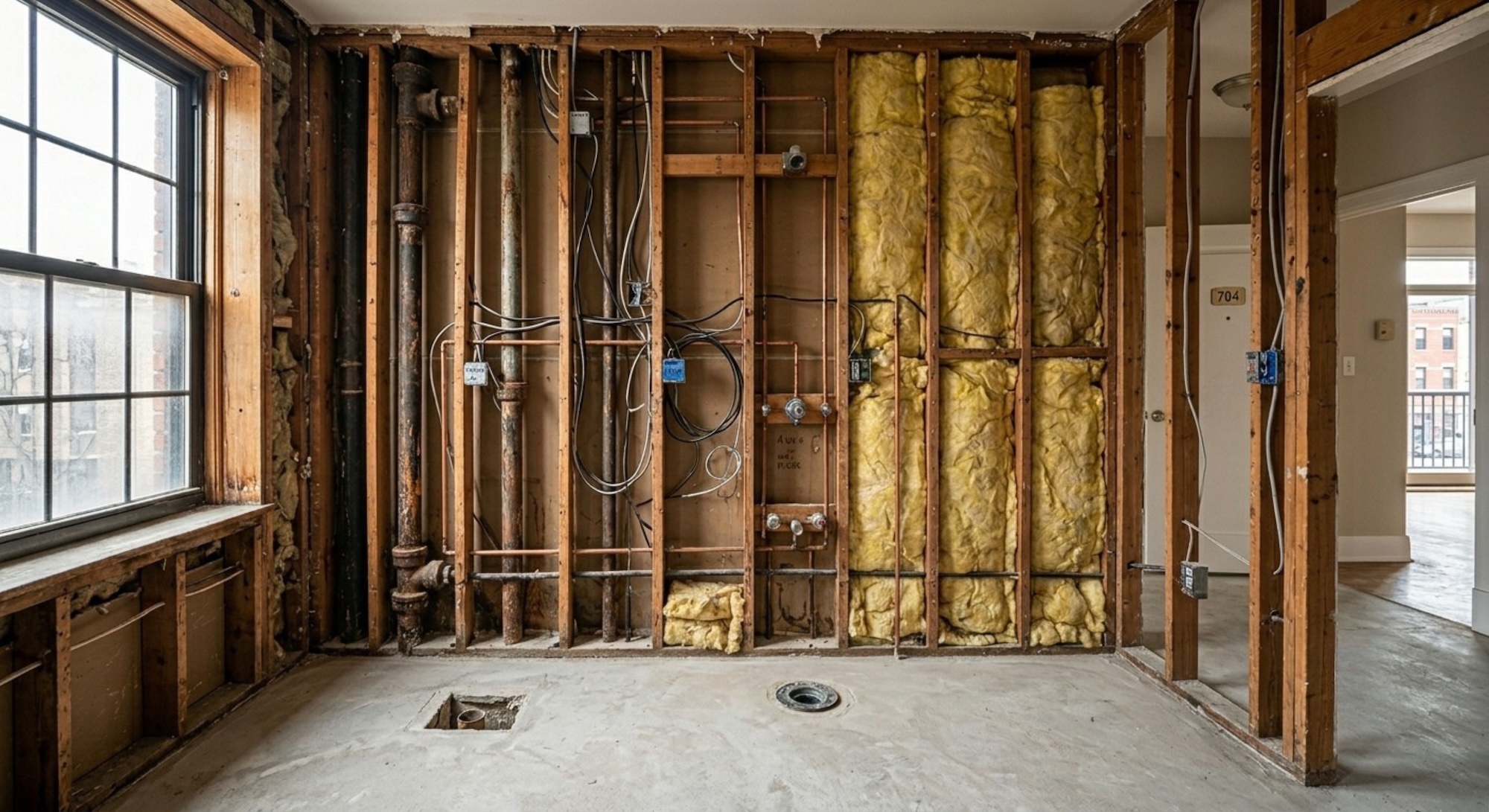
- Vintage Housing Stock: Nearly half of Chicago's homes were built before 1950. Older homes often have shallow basements, uneven floors, outdated electrical panels, and foundation issues. Getting to code sometimes means reinforcing existing systems or remedying deferred maintenance. It's invisible work, but it adds cost.
Do You Need Waterproofing Before Finishing a Chicago Basement?
You cannot finish a Chicago basement without first addressing water. Waterproofing is not a luxury; it's a prerequisite. When you're ready to begin basement finishing, a thorough waterproofing assessment should be your first step.
- Sump Pumps: A sump pit collects water that seeps into your basement. A sump pump (with battery backup for power outages) ejects that water away from the foundation. Cost: $800 to $2,000 installed, depending on pit size and pump quality.
- Drain Tile Systems: Interior drain tile (perimeter or subfloor) collects water at the foundation footing and channels it to the sump. Installation costs $2,000 to $5,000. Exterior drain tile is more invasive and expensive but sometimes necessary for homes with severe water intrusion.
- Vapor Barriers: A 6-mil or thicker polyethylene barrier on the basement floor prevents moisture from wicking up through concrete and into finished walls. Cost: $0.50 to $1.50 per square foot. Skipping it invites mold and material damage.
- Foundation Crack Sealing: Existing cracks in basement walls or the foundation footing must be sealed before finishing. Epoxy injection costs $200 to $500 per crack, depending on size and depth.
Combined, waterproofing typically adds $2,000 to $3,500 to your budget. It's the cost of having a basement that stays dry and lasts.
Do You Need a Permit to Finish a Basement in Chicago?
Which Permits You May Need
A building permit is required for framing, drywall, and general construction. An electrical permit is required for any new circuits, outlets, or fixture changes. If you're adding a bathroom, a plumbing permit is mandatory. Some projects qualify for the Chicago Department of Buildings' Standard Plan Review process (typical for basement finishing), which costs $200 to $800 depending on project scope. More complex projects may require a full architectural review.
Timeline Expectations
Standard Plan Review for basement finishing typically takes 2 to 3 weeks for initial approval, assuming your plans are complete and meet code on first submission. Revisions add time. If your project qualifies for the Chicago Express Permit Program (available through licensed contractors), you may see approval in 5 to 10 business days. Most basement finishing projects go through Standard Plan Review, not Express. Plan for inspections at framing, electrical rough-in, plumbing rough-in (if applicable), and final inspection. Inspections often take 24 to 48 hours to schedule.
What Does Each Part of a Basement Finish Cost?
Understanding what drives your total cost helps you make smart choices about where to splurge and where to economize.
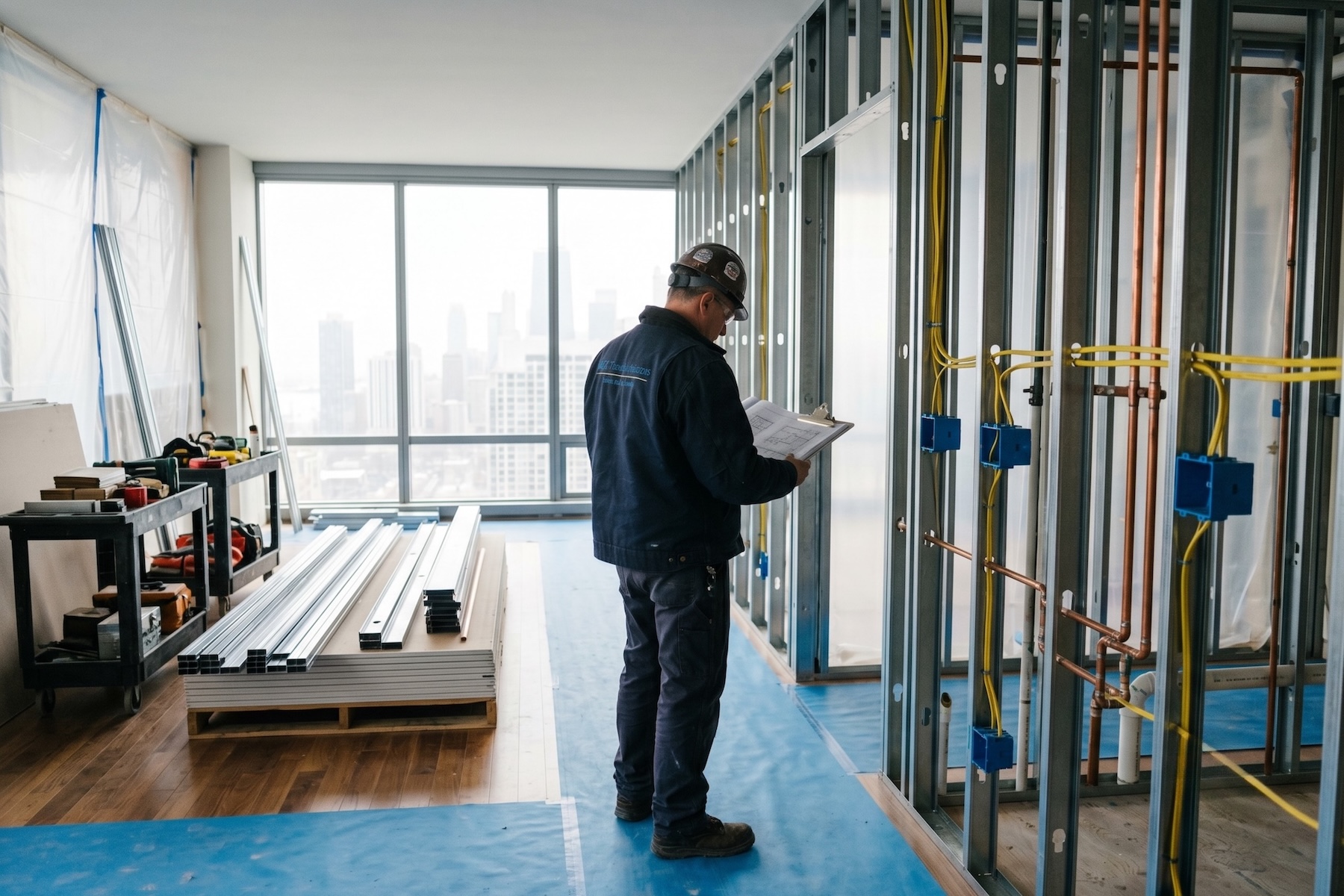
- Framing and Drywall: $8,000 to $14,000. Labor-intensive, straightforward. Includes studs, plates, drywall, tape, mud, and primer.
- Flooring: $3,500 to $12,000. Concrete epoxy or paint runs $2,000 to $3,500. Vinyl plank flooring (popular in Chicago basements) costs $5,000 to $8,000. Tile or luxury vinyl adds $8,000 to $12,000.
- Electrical: $3,000 to $6,000. Extending circuits, installing outlets, switches, and lighting from existing service.
- HVAC Extension: $2,000 to $4,000. Extending ductwork or adding a dedicated zone to your system.
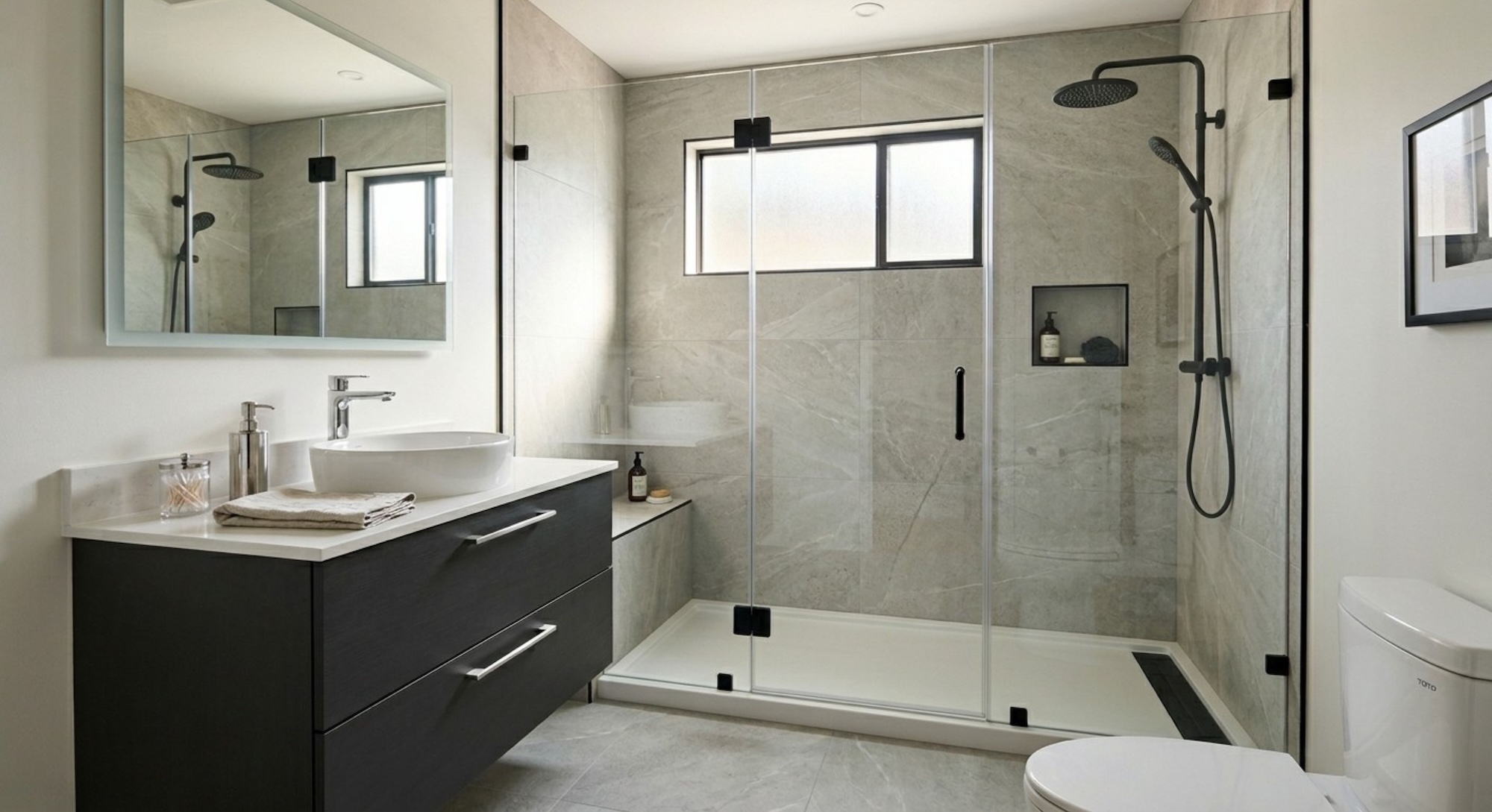
- Bathroom Addition (Half-Bath): $8,000 to $15,000. Full bath: $12,000 to $25,000. Includes plumbing, fixtures, tile, ventilation.
- Egress Window: $2,500 to $5,000. Window well, window frame, and installation. Required if you want a bedroom-sized space.
- Waterproofing (before finishing): $2,000 to $3,500. Sump pump, drain tile, vapor barrier, crack sealing.
- Permits and Inspections: $300 to $1,200. Depends on project scope and whether you use Standard Plan Review or Express.
What Is the ROI on Finishing a Basement in Chicago?
Chicago's housing market is tight. Adding usable square footage is one of the most cost-effective value adds. According to the 2025 Cost vs. Value Report, finished basements return 60 to 75 percent of their remodeling costs at resale. A basic finish recovers roughly 50 to 55 percent, while mid-range and high-end finishes achieve 60 to 75 percent ROI.
That's solid compared to other home improvements. But ROI depends on finish quality and local market conditions. A thoughtfully finished basement in West Loop or Bucktown, where square footage commands premium prices, will likely perform better at resale than a basic finish in a neighborhood with less demand.
If you plan to stay in your home and use the space, ROI matters less. You're buying comfort and functionality for yourself, not just betting on resale value.
Should You Finish Your Basement as Part of a Larger Remodel?
Basement finishing often pairs with other remodeling work. If you're already managing a kitchen remodeling or bathroom remodeling project, you may benefit from coordinating with the same contractor to manage permits, inspections, and timeline together. For condo renovation, basement finishing is usually not an option (condos don't have basements), but the same permitting rigor applies to any structural work.
A true whole home renovation sometimes includes a basement component. Builders who specialize in this scope understand how basement finishing integrates with foundation work, waterproofing, and electrical service upgrades happening elsewhere in the home.
Custom carpentry and built-ins (wet bars, wine cellars, shelving) often appear in high-end basements. If you're considering custom carpentry and built-ins, a skilled finish carpenter can elevate your basement from good to exceptional, though it adds to the high-end tier of your budget.
Frequently Asked Questions
How much does it actually cost to finish a basement in Chicago?
A basement finishing project in Chicago costs $35,000 to $150,000 depending on square footage and finish level. For a typical 700 sq ft basement, budget $38,500 to $98,000. That range accounts for waterproofing, permits, framing, electrical, flooring, and finishes, which are all required before you have a usable space.
What is the cost per square foot for basement finishing in Chicago?
Chicago basement finishing runs $55 to $140 per square foot in 2026. Basic finishes cost $55 to $75 per sq ft, mid-range $75 to $110 per sq ft, and high-end $110 to $140 per sq ft. Chicago's costs run 10 to 15 percent higher than national averages due to clay soil, strict codes, and waterproofing requirements.
Do I need permits to finish a basement in Chicago?
Yes. Chicago requires a building permit for framing and general construction, an electrical permit for any new electrical work, and a plumbing permit if you're adding a bathroom. Most basement finishing projects go through the Standard Plan Review process, which takes 2 to 3 weeks for approval. Permit costs typically range from $300 to $1,200 depending on project scope.
What waterproofing is required before finishing a basement in Chicago?
Chicago's clay soil means waterproofing is non-negotiable. You need a sump pump system with battery backup, interior or exterior drain tile, a vapor barrier on the floor, and foundation crack sealing. This combination costs $2,000 to $3,500 and is essential before any drywall goes up. Skipping waterproofing is a costly mistake that leads to mold and material damage.
How long does a basement finishing project take in Chicago?
Permits take 2 to 3 weeks (or 5 to 10 days if you qualify for Express Permit Program through a licensed contractor). Construction takes 8 to 16 weeks depending on scope. A basic finish with no bathroom is faster; a mid-range or high-end project with plumbing and custom work takes longer. Weather and contractor availability can extend timelines, especially in winter.
How much does it cost to add a bathroom to a basement in Chicago?
A half-bathroom in a basement costs $8,000 to $15,000. A full bathroom runs $12,000 to $25,000. Costs include plumbing rough-in, fixtures, tile, ventilation, and the plumbing permit. Adding a bathroom is the single biggest jump in basement finishing cost and complexity, but it transforms usability and resale appeal.
What is the ROI on a finished basement in Chicago?
Finished basements return 60 to 75 percent of remodeling costs at resale, according to the 2025 Cost vs. Value Report. A $50,000 project might add $30,000 to $37,500 in home value. See how this compares in our remodeling ROI guide for Chicago. ROI is stronger in neighborhoods with high square footage demand and tighter inventory. However, if you plan to stay in the home and use the space, immediate ROI is less relevant than long-term comfort.
Should I finish my basement before selling my home?
It depends on timeline, budget, and market conditions. If you're planning to sell within six months, finishing a basement may not make financial sense because you won't recoup the full cost. If you're staying another 5+ years or plan to use the space yourself, it adds value and functionality. Unfinished basement space appeals to buyers who have their own finish vision, but finished space at a solid mid-range level typically shows better at resale in Chicago's market.
What are the most common mistakes homeowners make when finishing a Chicago basement?
Skipping or under-investing in waterproofing is the biggest mistake. It leads to mold, structural damage, and regret. Other mistakes include under-sizing HVAC capacity (making the space uncomfortable), ignoring egress window requirements (missing bedroom upside at resale), and choosing cheap finishes that wear poorly in a moisture-prone environment. Working with a contractor experienced in Chicago basement conditions helps avoid these pitfalls.
Can I use a generic contractor for basement finishing, or do I need someone experienced in Chicago projects?
Chicago's codes, soil conditions, and waterproofing requirements are specific enough that experience matters. A contractor unfamiliar with Chicago clay, drain tile systems, and the Department of Buildings' review process will likely encounter delays, revisions, and cost overruns. Hiring someone with a track record in Chicago basement projects pays for itself in permit navigation, code compliance, and quality results.