
Is a Tub-to-Shower Conversion Worth It in Chicago?
A tub-to-shower conversion is one of the most common bathroom remodeling projects in Chicago, and for good reason. Walk-in showers use space more efficiently, feel more modern, and are easier to maintain than standard tub-and-shower combos. But whether the conversion is worth it depends on your home type, how many bathrooms you have, and whether you own a condo or a single-family residence. The answer is different for a Gold Coast high-rise owner with one bathroom than it is for a Lincoln Park homeowner with two and a half baths.
Why Are So Many Chicago Homeowners Replacing Tubs With Showers?
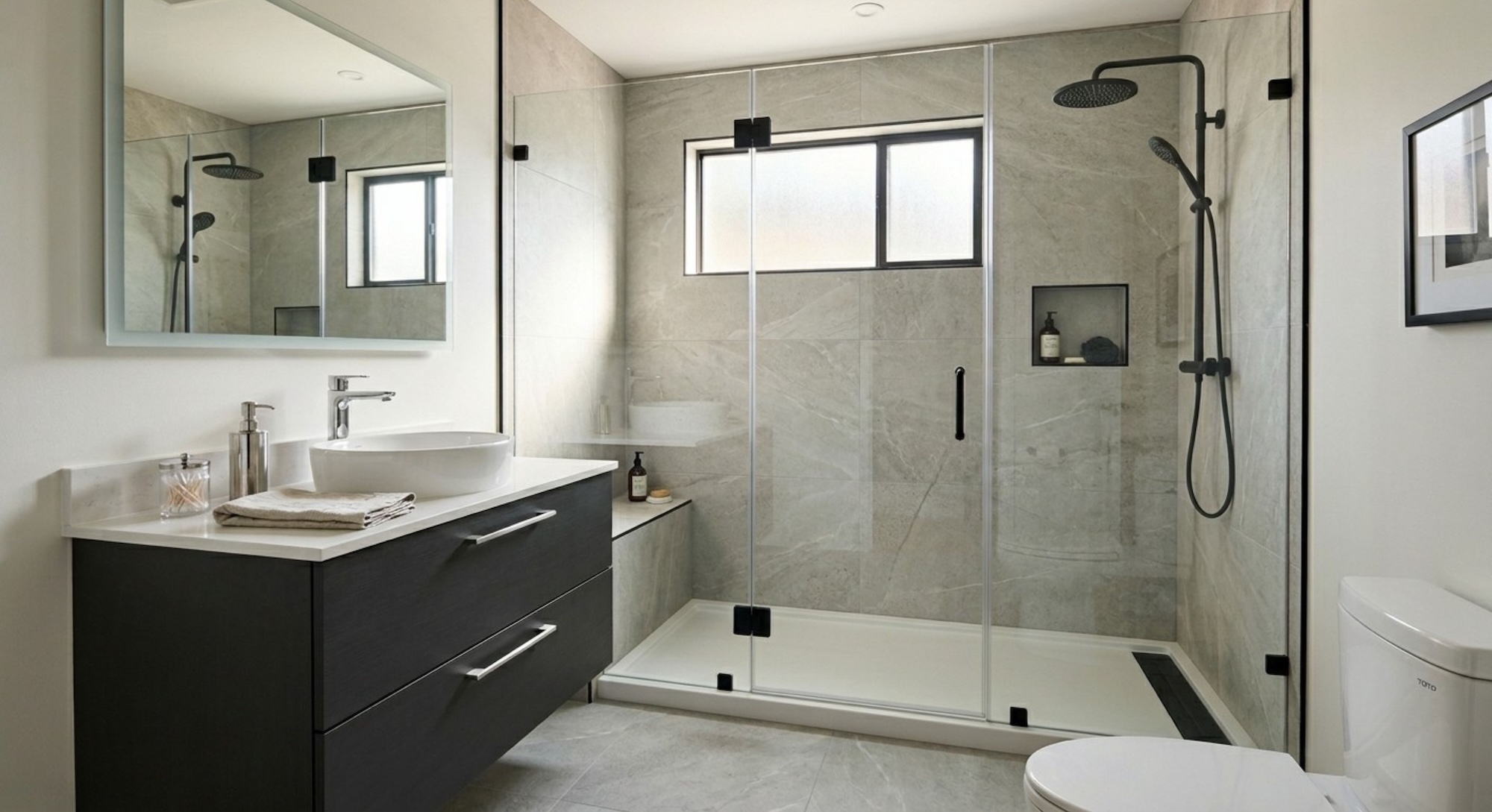
The standard builder-grade tub-and-shower combo has been losing ground for years. Many Chicago homeowners, particularly those remodeling vintage bungalows, graystones, and two-flats, are choosing to replace outdated tubs with walk-in showers that open up bathroom space and bring the room into the current decade. A well-designed walk-in shower with quality tile work, a frameless glass enclosure, and modern fixtures transforms a cramped bathroom into a space that feels significantly larger.
Most adults shower daily and rarely take baths. Replacing a tub that sits unused with a shower you use every morning is a practical upgrade. For aging-in-place planning, a curbless or low-threshold shower is also safer and more accessible than stepping over a tub wall.
When Does a Tub-to-Shower Conversion Make the Most Sense?
Here is the most important factor in deciding whether a tub-to-shower conversion is worth it: how many bathrooms do you have?
Most buyers and appraisers expect at least one bathtub in a home. Families with young children need a tub for bathing kids, and real estate agents consistently report that removing every tub from a home can narrow your buyer pool at resale. According to the National Association of Home Builders, the majority of homebuyers consider at least one bathtub essential or desirable.
If you have two or more bathrooms, you are in an ideal position to convert one tub to a walk-in shower while keeping a tub in the other bathroom. This gives you the best of both worlds: a modern, spa-like shower in your primary bathroom for everyday use, and a tub in a secondary bathroom for kids, guests, or future buyers who want that option. This is the scenario where a tub-to-shower conversion delivers the strongest return on investment and the least risk to resale value.
Many Chicago homes, particularly those in neighborhoods like Wicker Park, Bucktown, and Logan Square, have at least two full bathrooms, which makes them strong candidates for this approach. See our Wicker Park bedroom-to-bathroom conversion for a real example. If your whole home renovation includes updating multiple bathrooms, planning which one keeps the tub and which one gets a shower upgrade should be part of the conversation from the start.
What Are the Benefits of a Tub-to-Shower Conversion in a House?
For homeowners in single-family residences, a tub-to-shower conversion is typically a straightforward project. The plumbing is accessible, the work happens in your own home without affecting neighbors, and there are no HOA boards to navigate. Key benefits include:
- More usable space. Standard tubs take up roughly 13 to 15 square feet of floor space. A walk-in shower can be designed to fit the same footprint while feeling significantly more open, or it can be reconfigured to free up floor space for a larger vanity or additional storage.
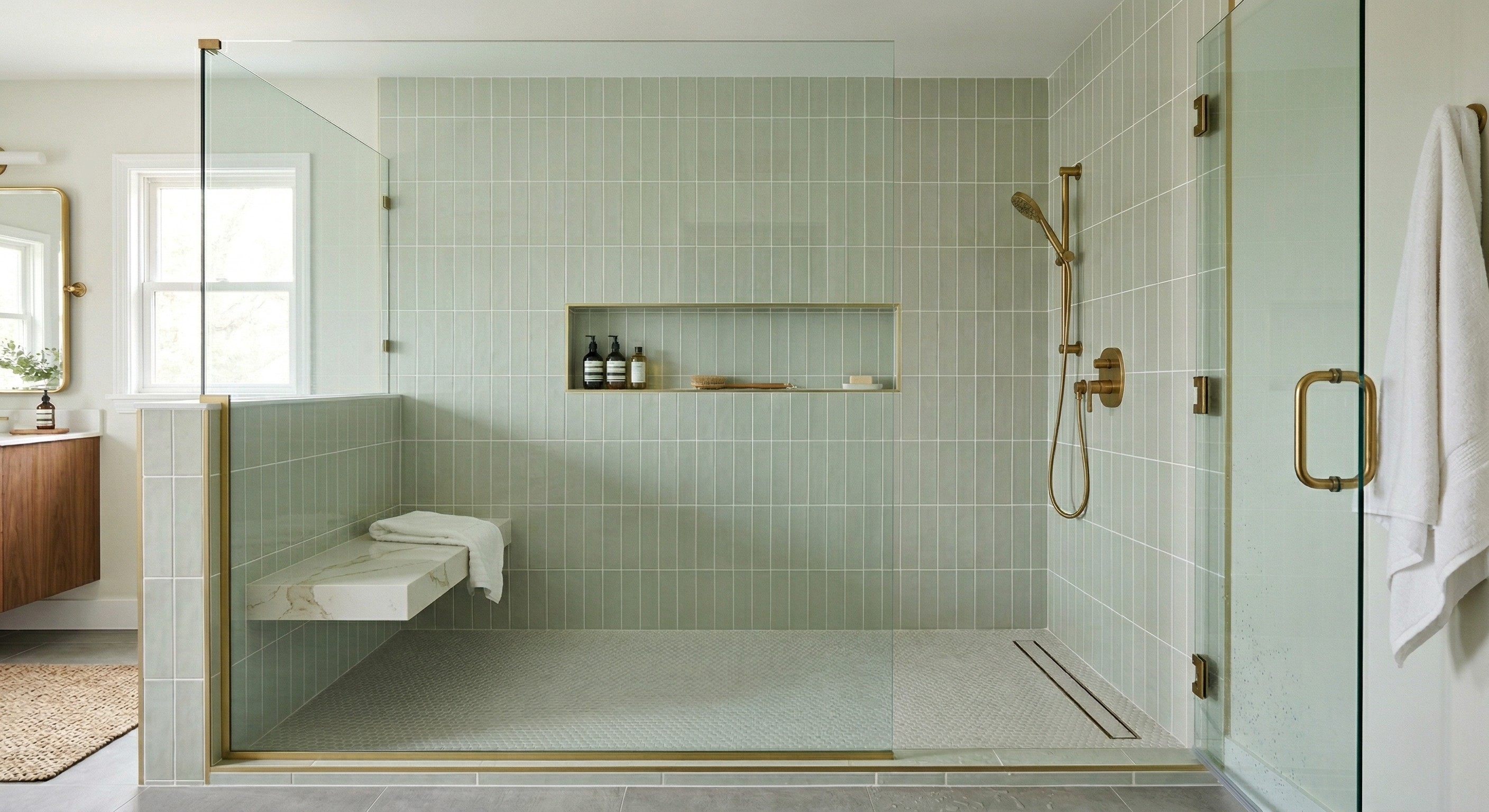
- Flexibility in design. Homeowners have full control over the conversion scope. You can choose a prefabricated shower base for a budget-friendly option or go fully custom with tile walls, a linear drain, a built-in bench, and frameless glass. There are no building management restrictions on material deliveries or work hours.
- Aging-in-place planning. A low-threshold or curbless shower entry is one of the most impactful accessibility upgrades you can make to a home. For homeowners planning to stay long-term, this is an investment that pays off in safety and comfort for decades.
Should Condo Owners Convert a Tub to a Shower?
For condo renovation projects in Chicago, a tub-to-shower conversion is still a smart upgrade, but the process is more complex and the costs are higher. Understanding the differences helps you plan realistically.
Condo Benefits
Walk-in showers are especially appealing in condos where square footage is limited. Removing a bulky tub from a compact bathroom can make the space feel dramatically different. In Chicago high-rises and mid-rises across neighborhoods like Streeterville, South Loop, and River North, walk-in showers have become a standard feature in updated units. A conversion can bring an older unit in line with newer inventory and make it more competitive if you ever sell.
Condo Pitfalls
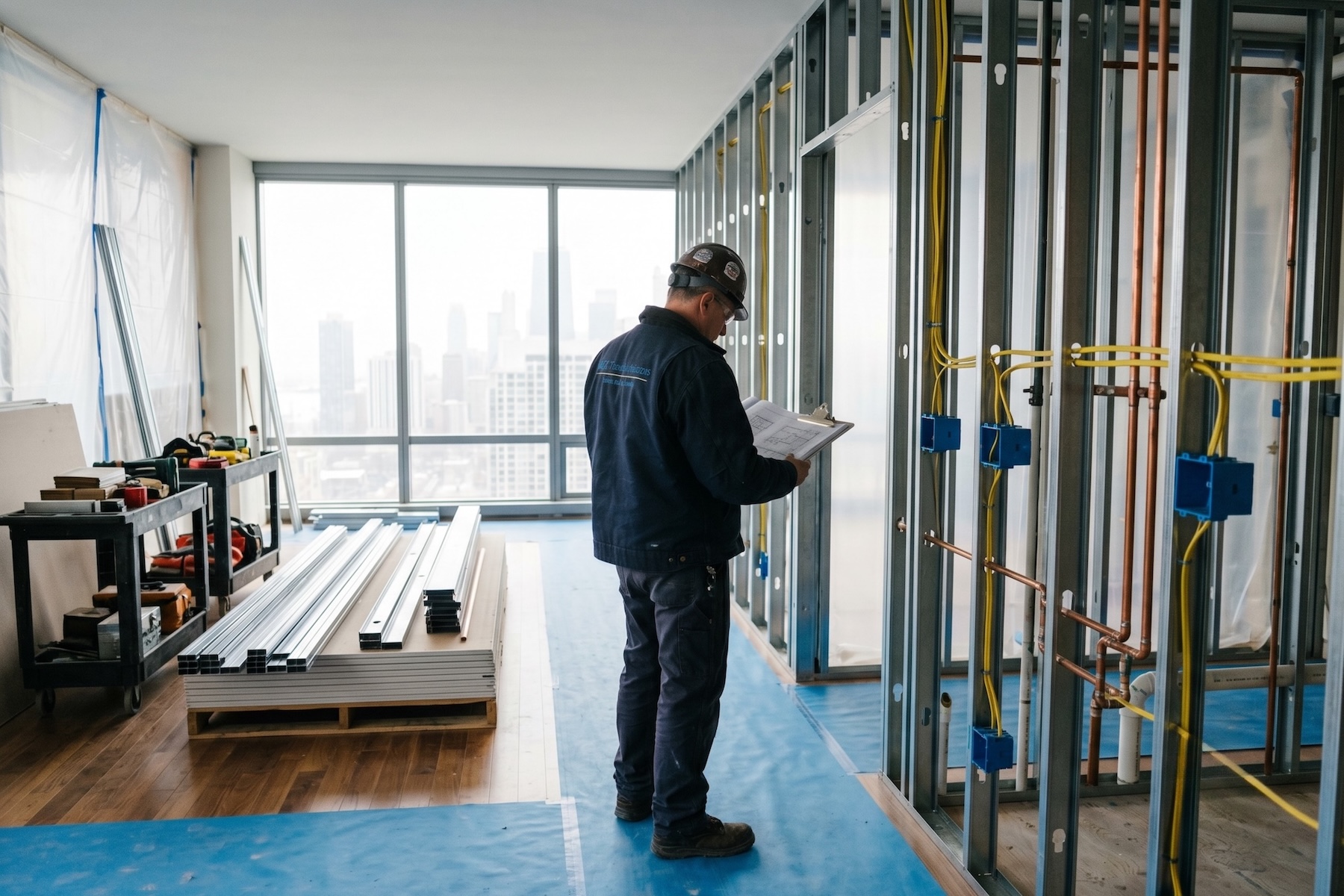
- Waterproofing is critical. In a condo, a shower leak does not just damage your own home. It can damage the unit below you, creating liability issues and strained neighbor relationships. Proper waterproofing with a continuous membrane system, documented with photos before tile installation, is non-negotiable in any condo tub-to-shower conversion. Many HOA boards have specific requirements to be met, before the first tile goes up.
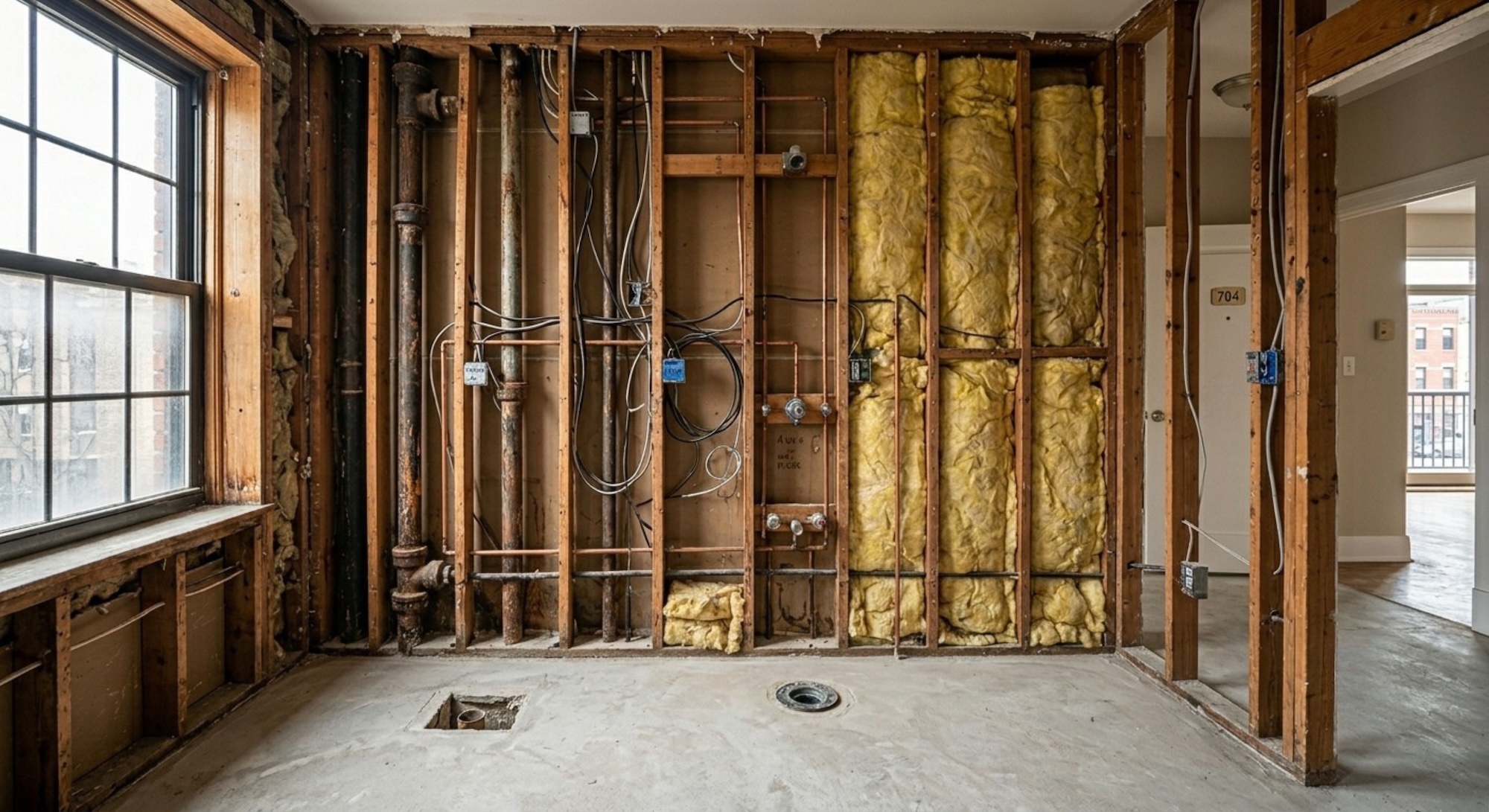
- Concrete subfloors complicate drain work. Many Chicago high-rises have concrete slab floors. Relocating the drain position for a new shower requires cutting into the concrete, which is prohibited by many buildings. However, modifying the drain is allowed and usually using a linear drain allows for us to keep drain location as is.
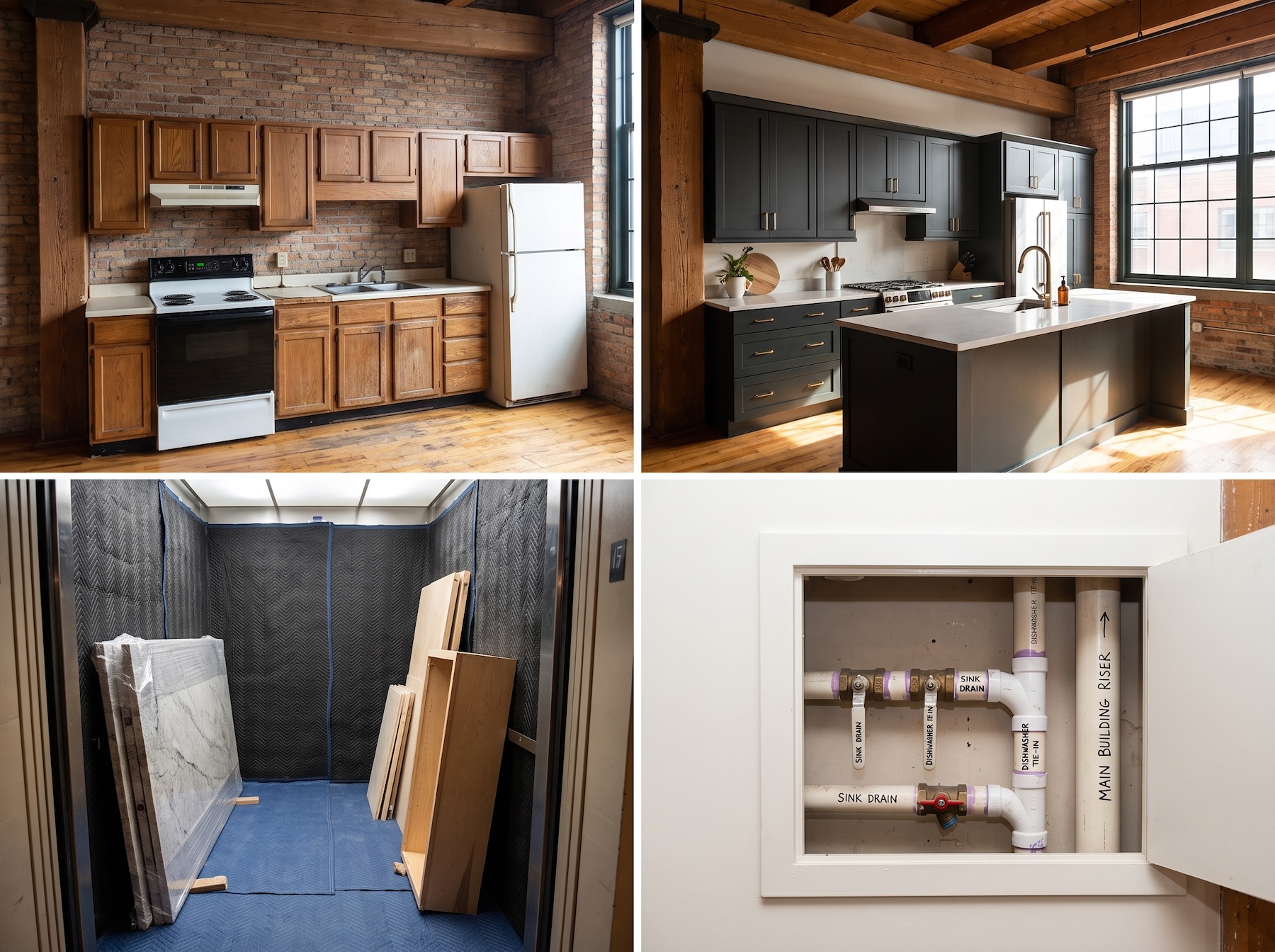
- Logistics cost more. Materials travel through lobbies, up freight elevators, and down hallways. Debris follows the same path out. Restricted work hours (typically weekdays only, 8 or 9 AM to 5 PM) and shared elevator scheduling add time to the project. Budget roughly 15 to 25 percent more than you would for the same scope in a single-family home.
How Much Does a Tub-to-Shower Conversion Cost in Chicago?
Nationally, a tub-to-shower conversion typically costs between $4,000 and $12,000 depending on the scope and materials. In Chicago, expect costs toward the higher end of that range due to local labor rates, material delivery logistics, and permit requirements.
A basic conversion using a prefabricated shower base with tile or panel walls in a single-family home generally runs $5,000 to $9,000 in the Chicago market. A fully custom tile shower with frameless glass, a linear drain, and built-in niches or a bench typically falls between $9,000 and $18,000 depending on tile selection and the extent of plumbing modifications.
For condo owners, add 15 to 25 percent to these ranges to account for HOA-related costs, restricted scheduling, and building logistics. A mid-range condo tub-to-shower conversion in Chicago generally costs $7,000 to $15,000, while a high-end custom conversion can reach $15,000 to $22,000 or more.
These costs are typically part of a larger bathroom remodeling project. If you are already updating tile, fixtures, and the vanity, rolling the tub-to-shower conversion into the full scope is more cost-effective than doing it as a standalone project later.
When Should You Keep Your Bathtub Instead of Converting?
Not every bathroom is the right candidate for a conversion. If your home or condo has only one bathroom, think carefully before removing the only tub. The resale implications are real: most buyers expect at least one bathtub, and removing it can narrow your pool of interested buyers, particularly families.
If you have a single bathroom and still want a more modern shower experience, consider a tub-and-shower combination with upgraded fixtures and tile instead of a full conversion. A well-designed combo with a sliding glass panel, quality tile surround, and modern plumbing fixtures can feel like a significant upgrade without eliminating the tub entirely.
For homes with two or more bathrooms, the calculation shifts. Keep the tub in the secondary or guest bathroom and convert the primary bathroom to a walk-in shower. This is the approach that consistently delivers the best balance of daily functionality and long-term value.
Frequently Asked Questions About Tub-to-Shower Conversions in Chicago
Is a tub-to-shower conversion worth it in Chicago?
Yes, for most Chicago homeowners and condo owners with two or more bathrooms, a tub-to-shower conversion is a worthwhile upgrade. It improves daily functionality, modernizes the bathroom, and can increase buyer appeal at resale, as long as you keep at least one tub in the home.
How much does a tub-to-shower conversion cost in Chicago?
A basic conversion in a single-family home costs $5,000 to $9,000, while a fully custom tile shower with frameless glass runs $9,000 to $18,000. Condo conversions cost 15 to 25 percent more due to HOA requirements, building logistics, and restricted work schedules.
Will removing a bathtub hurt my home's resale value?
Removing your home's only bathtub can reduce buyer interest, particularly among families with young children. However, if you have multiple bathrooms and keep a tub in at least one, converting a tub to a walk-in shower in the primary bathroom is generally viewed as an upgrade by buyers.
Do I need HOA approval for a tub-to-shower conversion in a Chicago condo?
Yes. Nearly all Chicago condo associations require formal board approval before any bathroom remodeling project, including tub-to-shower conversions. The approval process typically takes four to eight weeks and may require detailed project plans, contractor insurance certificates, and a review fee.
How long does a tub-to-shower conversion take?
Active construction typically takes one to two weeks in a single-family home. In a condo, add four to eight weeks for HOA approval before construction begins. The total timeline from planning to finished shower in a Chicago condo is usually two to three months.
Can I convert a tub to a shower in a Chicago high-rise condo?
Yes, but the process is more involved than in a single-family home. High-rise conversions require HOA approval, professional waterproofing to protect the unit below, and may involve cutting concrete subfloors to modify the drain. Working with a contractor experienced in Chicago high-rise condo renovation is essential.
Should I convert the tub in my primary bathroom or a secondary bathroom?
If you have multiple bathrooms, convert the primary bathroom to a walk-in shower and keep the tub in the secondary or guest bathroom. This gives you a modern shower for daily use while preserving a tub for kids, guests, and resale appeal.
What is the best shower design for a tub-to-shower conversion?
A custom tile shower with a frameless glass enclosure, built-in niches for storage, and a low-threshold or curbless entry is the most popular choice for Chicago bathroom remodels. Built-in benches and linear drains are also common upgrades that add both functionality and design appeal.
Is waterproofing different for a tub-to-shower conversion in a condo?
Waterproofing is more critical in a condo because a leak can damage the unit below you and create liability issues. A continuous waterproof membrane must be installed on the shower floor and walls before tile, with all seams and penetrations sealed. Many Chicago condo associations require documentation or inspection of waterproofing work before tiling proceeds.
Can I add custom features like a bench or built-in shelving during the conversion?
Absolutely. A tub-to-shower conversion is the ideal time to add custom carpentry and built-ins like a tiled bench, recessed niches, or corner shelving. These features are easiest and most cost-effective to install during the initial conversion rather than retrofitting later.
Ready to Convert Your Tub to a Walk-In Shower?
Whether you are converting a tub in an Old Town greystone, updating a bathroom in a Ravenswood bungalow, or remodeling multiple bathrooms in a Hyde Park two-flat, Wood Contracting helps Chicago homeowners and condo owners plan and execute tub-to-shower conversions that are built to last. From kitchen remodeling to full-scale whole home renovation and basement finishing, every project gets the same attention to detail. Schedule a free consultation to talk through your project.