
What Should South Loop Homeowners Know Before Starting a Remodel?
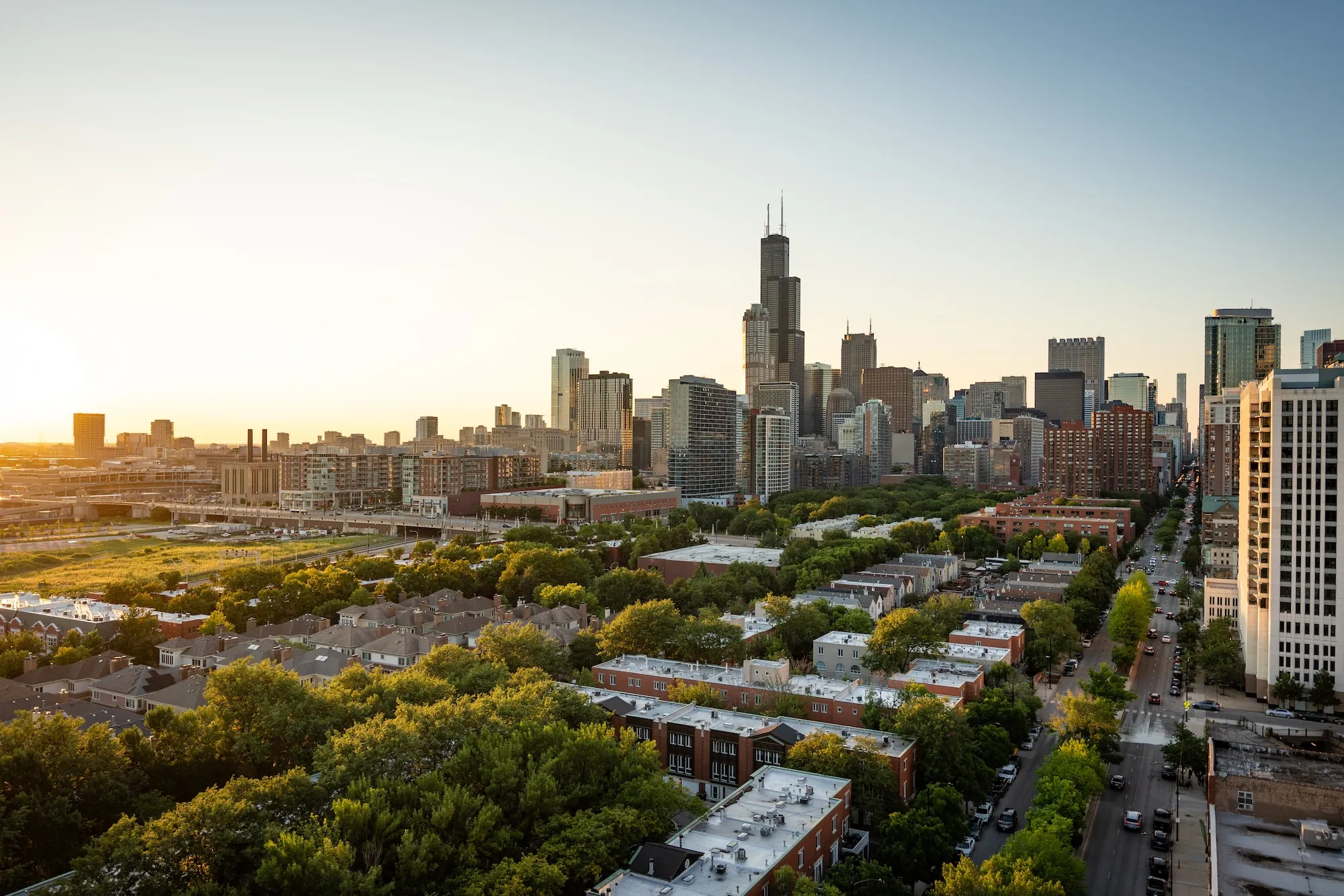
South Loop is one of Chicago's most active neighborhoods for remodeling. The area has undergone dramatic transformation over the past two decades, shifting from a forgotten industrial district to a vibrant residential neighborhood with modern high-rise condos, converted lofts, mid-rise buildings, and townhomes. This diverse mix of building types creates both opportunities and unique challenges for kitchen and bathroom remodeling. Whether you own a sleek glass high-rise with views of the lake, a renovated warehouse loft, or a historic townhome, understanding what remodeling in South Loop entails is essential for planning a successful project.
How Does Your South Loop Building Type Affect Your Remodel?
South Loop's building stock shapes the complexity and cost of remodeling projects. The neighborhood's growth in the 1990s and 2000s brought towers of glass and steel with modern systems, but the area also includes older converted buildings with unique structural and mechanical considerations.
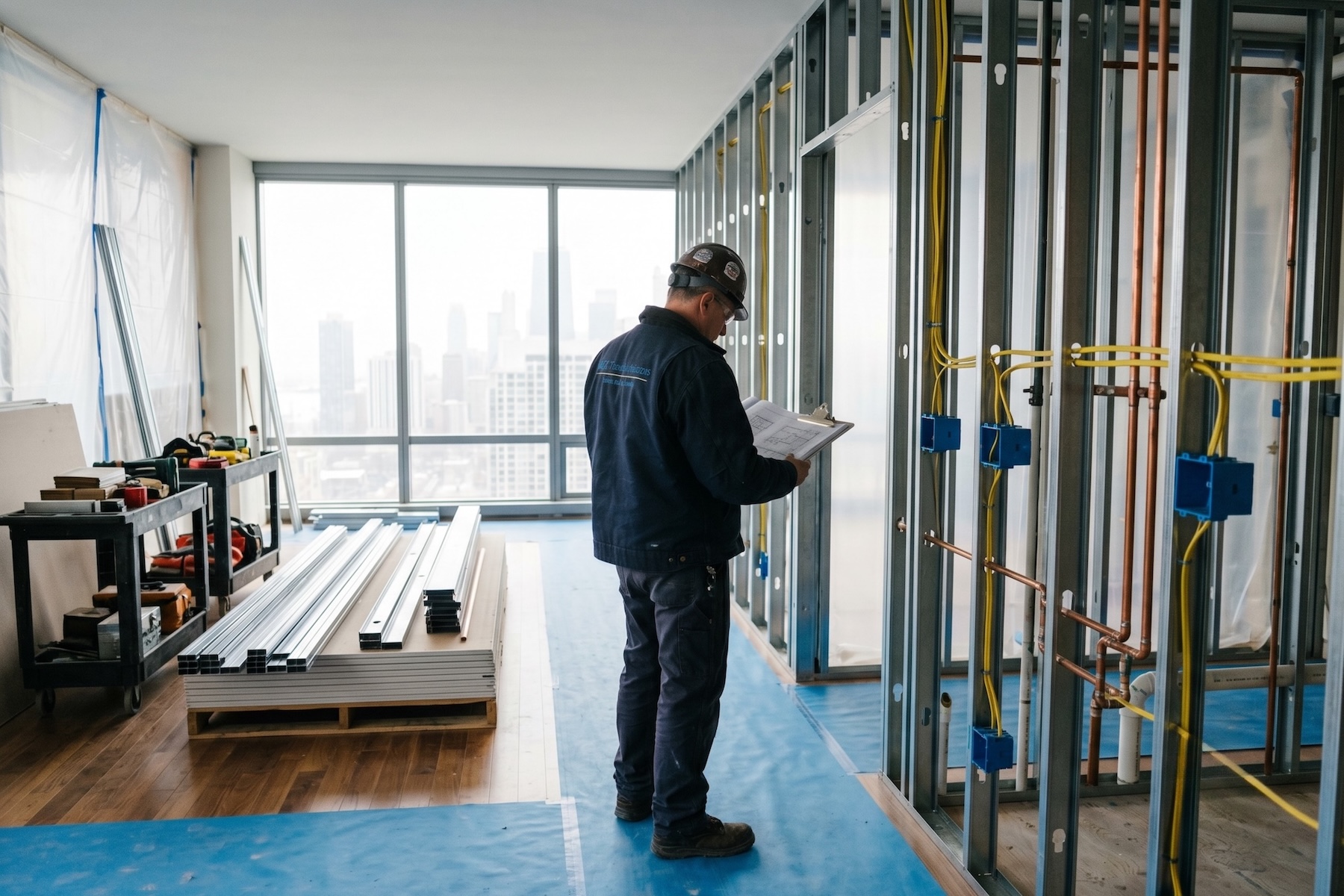
High-rise condos dominate much of South Loop, particularly near the waterfront and Museum Campus. These buildings come with strict HOA rules that control every aspect of renovation work. Construction hours are typically limited to 8 or 9 AM through 5 PM on weekdays, with no weekend work allowed. Contractors must book freight elevators for material delivery and debris removal, often competing for access with other residents and building services. Security clearance for workers is standard, and some buildings prohibit jackhammering or use of pneumatic tools on structural concrete. These restrictions add time and cost to every project, but they are non-negotiable protections that buildings have in place to preserve the building envelope and minimize disruption to other residents.
Mid-rise buildings throughout the neighborhood, typically 8 to 15 stories, tend to be somewhat more flexible than towers but still governed by HOA rules and shared building systems. These properties often feature a mix of investor-owned units and owner-occupied spaces, and the HOA approval process can vary depending on the building's governance structure.
South Loop townhomes, particularly in the Printer's Row and Prairie District neighborhoods, offer more freedom than condos but still require careful attention to attached construction. Sound transmission to adjacent units, shared walls, and limited work space mean that planning and coordination are critical.
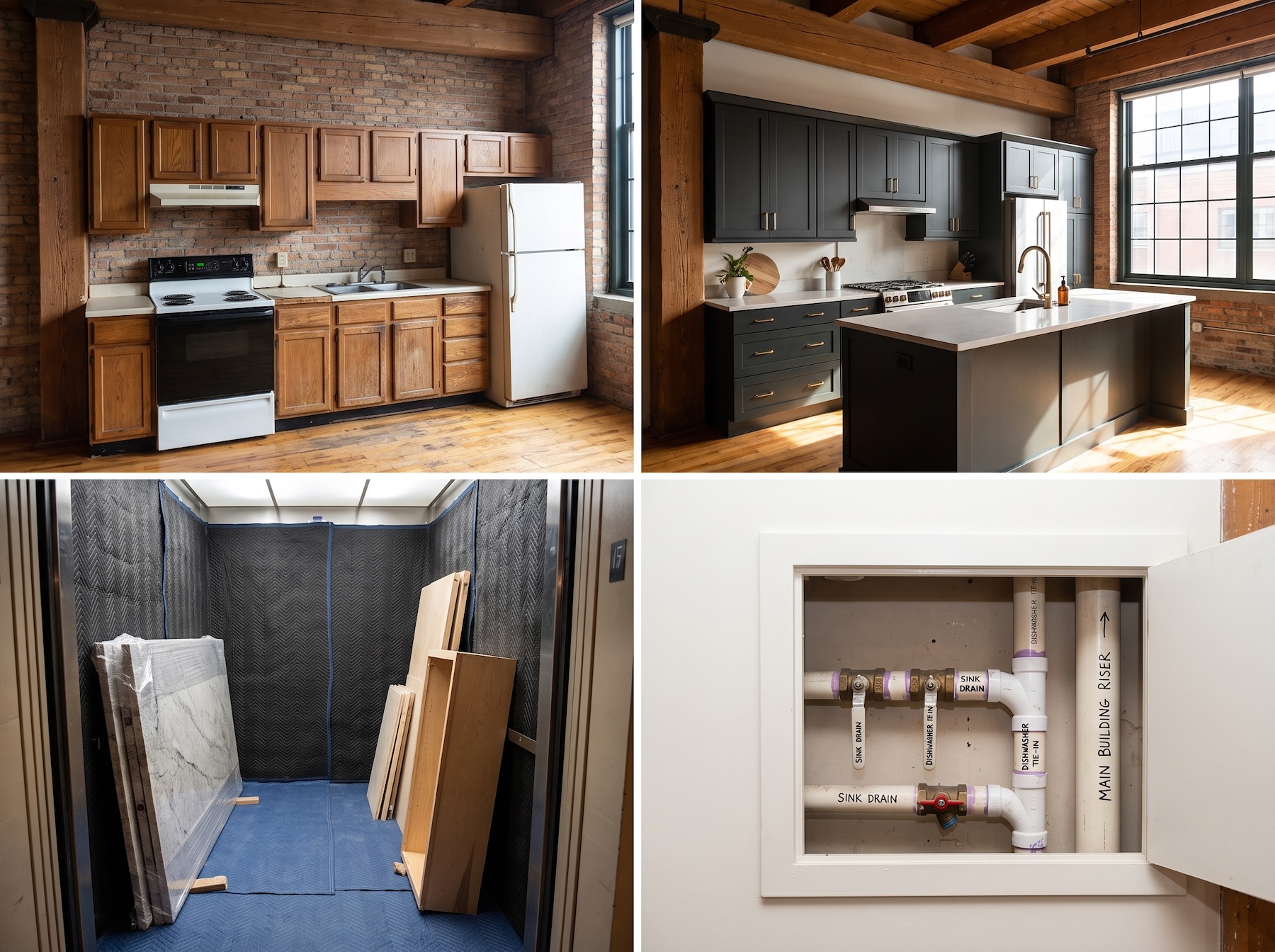
Converted warehouse lofts are a distinctive South Loop type, often featuring open floor plans, exposed brick, steel beams, and soaring ceilings. These buildings present unique structural challenges for remodeling because the original architecture sometimes constrains where new plumbing and electrical systems can run. Open layouts mean that kitchen and bathroom locations are sometimes not where owners would ideally want them, creating design puzzle-solving that a thoughtful contractor can help navigate.
How Much Does a Kitchen Remodel Cost in South Loop?
Kitchen remodeling in South Loop typically ranges from $40,000 to $85,000 for most condo projects, though gut renovations in lofts or mid-rise buildings can push higher. Understanding what drives costs in this neighborhood helps you budget realistically.
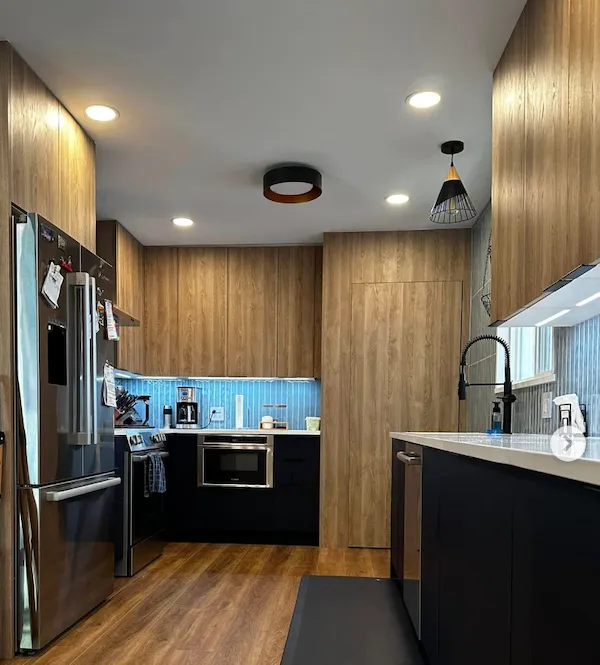
The newest high-rise condos built in the last 10 to 15 years often have modern plumbing and electrical systems that make remodeling more straightforward than in older buildings. These units frequently come with builder-grade finishes that many owners want to upgrade. The typical project involves replacing stock cabinets with semi-custom options, upgrading countertops to quartz or natural stone, adding a tile backsplash, and swapping builder-grade stainless steel appliances for better quality models. In these newer buildings, costs trend toward the lower end of the range because the underlying systems rarely need major upgrades.
Older converted lofts and mid-rise buildings often have more complexity. Plumbing and electrical systems may have been retrofitted when the building was converted to residential use, which sometimes means creative routing of new supply and drain lines. The payoff is that these buildings often have generous ceiling heights and open footprints that allow creative kitchen layouts that would be impossible in a typical high-rise condo.
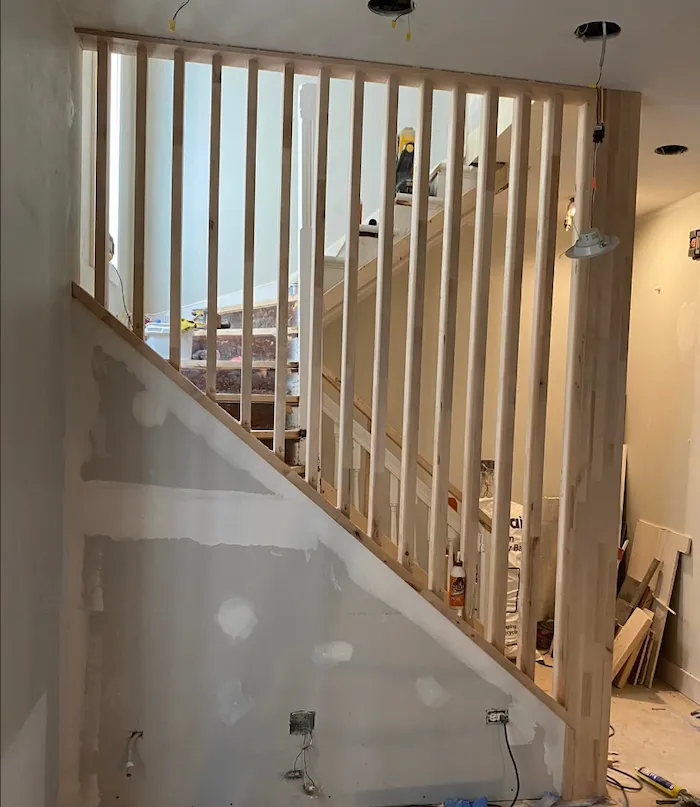
A common South Loop project is opening up a closed galley kitchen that separates the cooking space from the living area. This work typically requires removing a non-load-bearing partition wall, which demands permits and careful coordination with building systems. The transformation can completely change how a unit feels and functions, making it one of the highest-impact kitchen improvements available in the neighborhood.
Condo-specific challenges include stack plumbing constraints that often prevent moving fixtures far from their original locations. If you want a dishwasher in a spot where plumbing doesn't currently exist, the cost to run new lines can be significant. Before falling in love with a kitchen layout that repositions the sink to the opposite wall, get a rough estimate from your contractor on the cost to make it possible. In many cases, a thoughtfully designed layout that works within the existing plumbing footprint delivers better value.
How Much Does a Bathroom Remodel Cost in South Loop?
Bathroom remodeling in South Loop ranges from $18,000 to $45,000 for standard full bath renovations, with primary bathroom suites running toward the higher end and powder rooms at the lower end. The costs are driven partly by materials and labor, and partly by the logistics of working within a high-rise or multi-unit building.
The most common bathroom projects in South Loop involve updating dated tile, improving lighting and ventilation, and converting old shower tub combinations to spacious walk-in showers. These projects deliver immediate quality of life improvements and are popular among both homeowners living in their units and investors looking to improve rental appeal.
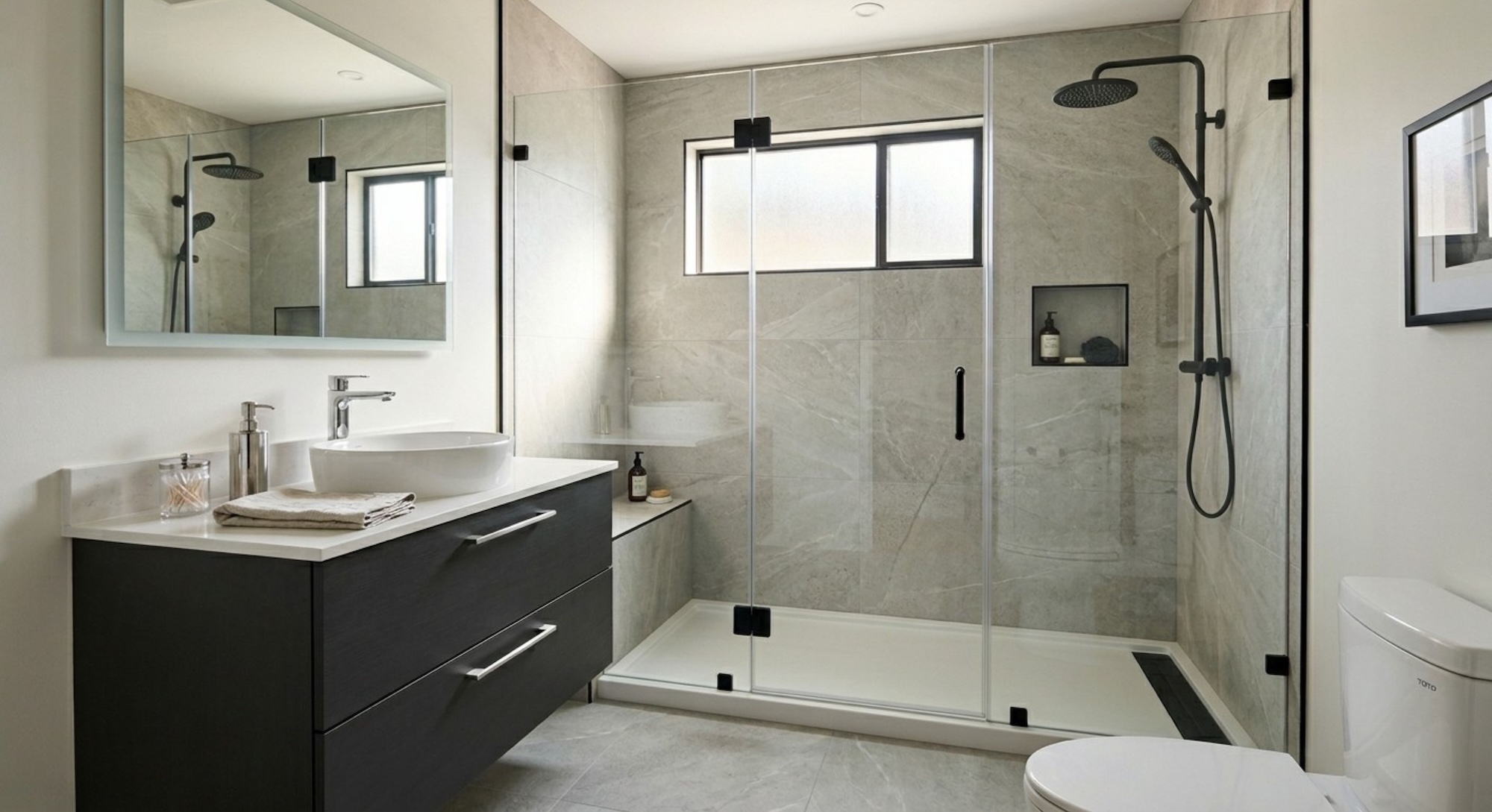
Walk-in shower conversions are particularly popular in South Loop's newer condos, where open floor plans and modern aesthetics favor large frameless glass enclosures over old tub surrounds. Moving from a tub to a shower typically maintains similar plumbing locations, keeping costs reasonable while completely transforming the bathroom's feel.
Waterproofing is non-negotiable in a multi-unit South Loop building. Any water damage affects the unit below, creating potential liability and neighbor conflict. Proper waterproofing involves a continuous membrane under and around the shower, properly sloped floor pans that direct water to the drain, and all seams sealed with compatible materials. Many South Loop condo associations now require waterproofing documentation before tile installation can proceed. This requirement protects everyone in the building and is a sign of a well-managed property.
Primary bathroom renovations that combine a remodeled bathroom with an adjacent bedroom can become more complex full-unit projects. If you are considering expanding a primary bathroom into adjacent space, this type of structural change requires HOA approval and city permits, adding significantly to timeline and cost. Plan for eight to 12 weeks of pre-construction coordination before any work begins.
How Do You Get HOA Approval for a South Loop Condo Remodel?
Nearly every South Loop condo requires formal HOA approval before renovation work begins, and the process is not to be rushed. Approval timelines typically range from four to eight weeks, though some buildings with monthly board meetings or multiple approval levels can take longer. Plan to start the HOA application process at least three to four months before your desired construction start date.
The HOA application package typically includes detailed renovation plans, material selections, fixture specifications, contractor information, and proof of liability insurance. High-rise buildings often require that contractors carry $2 million in liability coverage and name the building as an additional insured. Review fees range from $300 to $700, and some buildings require a security deposit to protect common areas during construction, typically between $1,500 and $4,000.
HOA restrictions are not obstacles to work around; they are legitimate protections for the entire building. Work hours are typically 8 or 9 AM to 5 PM on weekdays only. Freight elevator access must be reserved in advance and is shared with other residents and building maintenance. Material delivery coordination, hallway protection, and debris removal all fall under building guidelines designed to protect common areas. A contractor experienced with South Loop high-rises will already know these rules and build them into the project schedule and budget from the start.
Some South Loop buildings require architectural review of design changes, bathroom waterproofing inspections, or neighbor notifications. These vary by property, so review your building's specific guidelines carefully. Nothing derails a remodeling timeline faster than discovering unapproved work that the building requires you to undo.
How Do Contractors Handle Building Access in South Loop High-Rises?
Getting materials into a South Loop high-rise is more complex and more expensive than delivering to a single-family home. Every tile, vanity, appliance, and bag of mortar must travel through the building lobby, into a freight elevator, down a hallway, and into your unit. Efficient contractors plan material deliveries in phases, with each delivery timed to arrive just before the materials are needed for the next phase of work. This prevents hallway clutter and minimizes elevator scheduling conflicts.
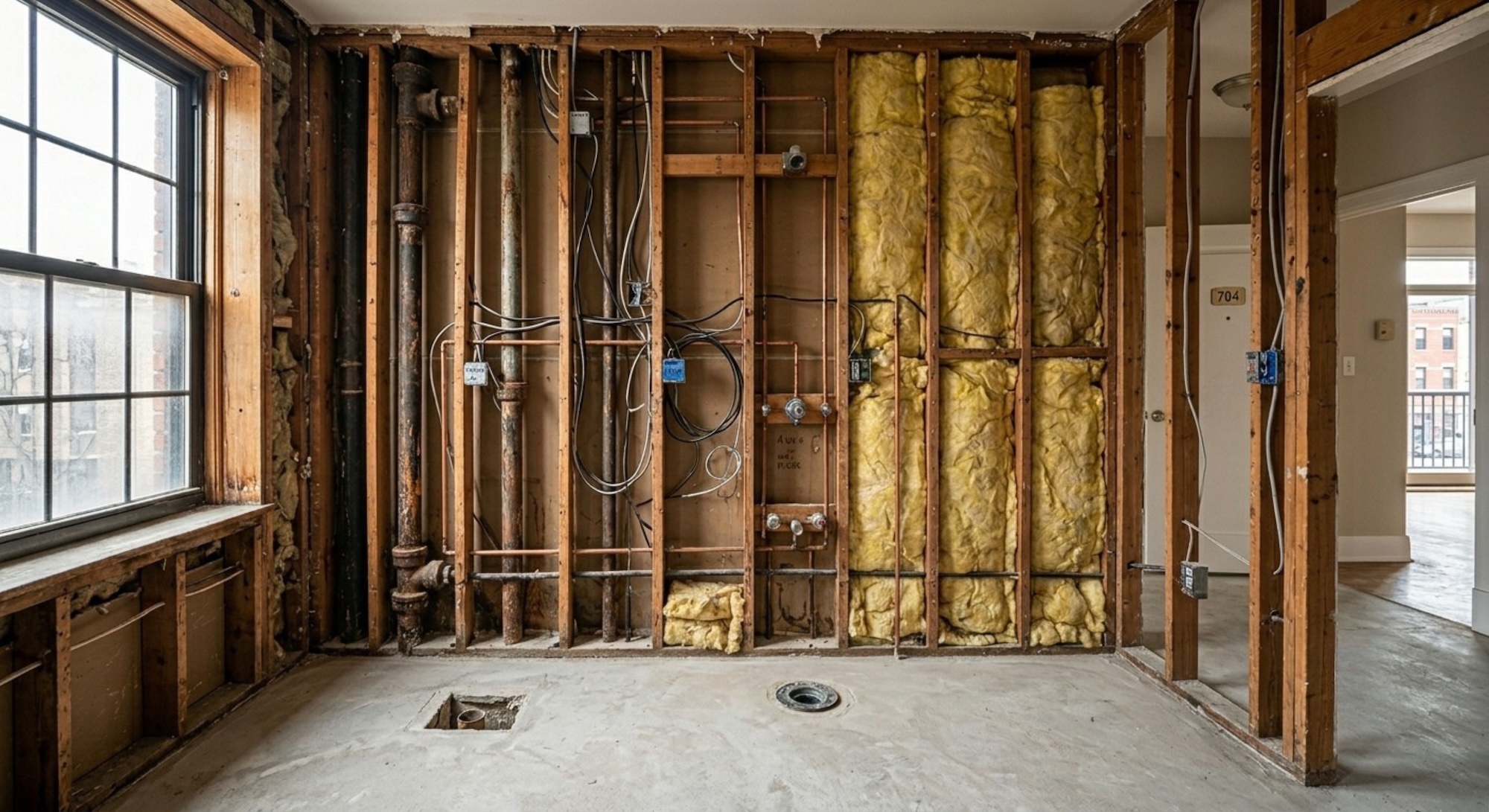
Debris removal follows the same path in reverse. Demolition of a kitchen or bathroom generates significant volume of old cabinets, tile, fixtures, drywall, and broken plumbing. Bagging and boxing this debris, transporting it down freight elevators, and hauling it away adds cost and complexity that does not exist in suburban projects. Most South Loop buildings charge additional fees for dumpster placement or require contractors to use specific disposal services. Factor these fees into your budget.
Parking near your building for contractor vehicles during material unloading can be challenging in South Loop. The neighborhood has limited street parking and high meter fees. Some buildings offer temporary loading zone access for contractors, but this needs to be arranged in advance with building management. Discuss parking logistics with your contractor during the initial planning phase.
How Long Does a Remodel Take in South Loop?
Pre-construction takes 2 to 4 weeks from initial consultation to construction start. This includes design finalization, material selection, HOA application preparation, building approval (four to eight weeks), city permit acquisition (three to five weeks), and scheduling coordination. Do not underestimate this phase. The difference between starting pre-construction planning three months ahead and scrambling at the last minute is the difference between a smooth, on-time project and one that slips repeatedly.
Kitchen remodeling construction typically takes 4 to 6 weeks for a standard renovation. Demolition and rough-in work. Cabinet installation, countertop fabrication, backsplash tiling, and appliance installation requires another couple of weeks. Finishing work including paint, trim, hardware, and final connections takes two to three weeks. Timeline variation depends on project scope, material availability, and whether any unexpected conditions are discovered during demolition.
Bathroom remodeling construction typically takes four to eight weeks for a standard renovation. Demolition and plumbing rough-in takes one to two weeks. Waterproofing, shower pan installation, and tile work takes two to three weeks. Fixture installation, vanity mounting, and finishing details takes one to two weeks. Larger primary bathroom projects or those involving structural changes can take longer.
The full process from initial consultation to a finished kitchen or bathroom in a South Loop condo typically spans three to four months. For larger projects combining multiple rooms, add another four to six weeks. This is not pessimism; this is experience-based planning that keeps projects on schedule.
Why Do You Need a Contractor With South Loop Experience?
Not all general contractors are equipped for South Loop work. The logistical complexity, building restrictions, high-rise navigation, and condo-specific coordination demand specific experience. When evaluating contractors for a South Loop project, ask whether they have completed kitchen and bathroom remodeling projects in high-rise condos in this neighborhood specifically, not just "in the Chicago area."
Ask about their experience navigating South Loop HOA requirements. Contractors who have worked in buildings on South Columbus, South Michigan, State Street, or in the Printer's Row area understand the specific approval processes and restrictions of the neighborhood. Building familiarity is a genuine advantage because the contractor knows what issues to anticipate and how to handle them.
Ask about their waterproofing approach and whether they have documentation from recent high-rise bathroom projects. Proper waterproofing is non-negotiable in multi-unit buildings, and a knowledgeable contractor should be able to walk you through their process and show examples of installations from similar buildings.
Request references from other South Loop homeowners or condo owners, and ask those references specifically about timeline accuracy, cleanliness during construction, communication with the building and neighbors, and whether the contractor handled any surprises that came up. High-rise remodeling is complex enough that surprises are common. How a contractor handles them matters as much as their technical skill.
Frequently Asked Questions About South Loop Kitchen and Bathroom Remodeling
How much does a kitchen remodel cost in South Loop?
A kitchen remodel in South Loop typically costs between $40,000 and $85,000 for a standard condo renovation, with costs varying based on the scope of work, building type, and materials selected. Budget-conscious projects using stock cabinetry and builder-grade materials start around $35,000 to $45,000. Mid-range renovations with semi-custom cabinetry, quality countertops, and upgraded appliances typically fall between $50,000 and $75,000. High-end kitchens with custom cabinetry, premium finishes, and structural layout changes often exceed $80,000. Newer high-rise condos with modern plumbing and electrical systems tend toward the lower end of these ranges, while older converted lofts and mid-rise buildings often require more complex infrastructure work, pushing costs higher.
How long does a kitchen remodel take in South Loop?
A kitchen remodel in South Loop takes eight to 12 weeks of active construction time, with pre-construction planning adding another six to 12 weeks. The pre-construction phase includes design, HOA approval (four to eight weeks), city permits (three to five weeks), material selection, and scheduling. Once work begins, demolition and rough-in requires two to three weeks, cabinet and countertop installation requires three to four weeks, and finishing work requires two to three weeks. Freight elevator scheduling, restricted work hours, and building logistics add time to every phase compared to single-family home projects. For a complete timeline from initial consultation to finished kitchen, plan for three to four months.
What is the HOA approval process for kitchen remodeling in South Loop?
The HOA approval process typically takes four to eight weeks and involves submitting a detailed application package that includes renovation plans, material selections, contractor information, proof of liability insurance, and a projected timeline. Most South Loop buildings require contractors to carry $2 million in liability coverage and name the association as an additional insured. Application review fees range from $300 to $700, and some buildings require a refundable security deposit between $1,500 and $4,000 to protect common areas during construction. Most buildings meet monthly, so submitting your application early in a calendar month gives you the best timeline. Once approved, construction is typically limited to weekday hours between 8 or 9 AM and 5 PM, with freight elevator access reserved in advance.
Can I move the kitchen layout in my South Loop condo?
Moving kitchen fixtures in a South Loop condo is possible but often constrained by plumbing stack locations and building restrictions. Repositioning a sink, dishwasher, or range to a new location requires running new plumbing lines, which can cost $4,000 to $9,000 and may require additional building approval. Many successful South Loop kitchen remodels work within the existing footprint by replacing cabinetry, countertops, and appliances while maintaining the current layout. If you want to substantially reconfigure your kitchen, discuss feasibility and cost with your contractor early in the planning process. In some cases, a thoughtfully designed layout that honors the existing plumbing footprint delivers better value and faster timeline than attempting to relocate major fixtures.
What bathroom remodeling projects deliver the best value in South Loop?
Walk-in shower conversions deliver exceptional value in South Loop, transforming dated tub surrounds into modern spacious showers with frameless glass enclosures. These projects typically maintain existing plumbing locations, keeping costs reasonable while completely updating the bathroom's feel. Updating dated tile, improving lighting with layered design including recessed and pendant fixtures, and upgrading vanities and mirrors all deliver strong visual impact without requiring structural changes. Primary bathroom renovations that add heated flooring, upgraded lighting, quality tile, and refined fixtures appeal strongly to South Loop buyers and renters. These projects typically return 60 to 75 percent of their cost in increased home or rental value, making them strong investments.
Is waterproofing important in a South Loop bathroom remodel?
Waterproofing is critical in any South Loop multi-unit building. Water damage affects the unit below you, creating potential liability and neighbor conflict. Proper waterproofing involves installing a continuous membrane under and around the shower before tile installation, ensuring the shower floor slopes properly toward the drain, and sealing all corners and penetrations with compatible materials. Many South Loop condo associations now require waterproofing documentation or even third-party inspection before tile installation can proceed. This requirement protects all owners in the building and ensures the bathroom performs reliably for years. Any contractor unfamiliar with these requirements or unwilling to document their waterproofing work is not the right choice for a high-rise bathroom remodel.
What are the hidden costs of remodeling in a South Loop high-rise?
Hidden costs in South Loop high-rise remodeling include HOA application and review fees ($300 to $700), security deposits protecting common areas ($1,500 to $4,000), freight elevator rental ($150 to $350 per reservation), building-mandated hallway protection and floor coverings ($800 to $1,800), parking fees for contractor vehicles, and potential water or gas shutoff coordination fees. Older buildings may require plumbing or electrical upgrades beyond the scope of the visible renovation. Permit fees for city of Chicago work add $1,200 to $3,500 depending on project scope. Budget an additional 10 to 15 percent contingency above the contractor's estimate to account for these condo-specific costs and any surprises discovered during demolition.
Should I remodel before selling my South Loop condo?
Kitchen and bathroom remodels typically return 60 to 80 percent of their cost in increased home value, making them sound investments if you plan to own for several more years. If you are selling soon, focus on cosmetic updates that buyers see immediately: fresh paint, updated lighting, new hardware, and refinished or replaced tile. A full kitchen or bathroom remodel often takes three to four months from planning through completion. If you have a buyer on the horizon, that timeline may not align with your sale. Conversely, if your kitchen or bathrooms are significantly dated compared to other units in your building, a strategic remodel can make your unit substantially more competitive and support a higher sale price. Discuss your specific situation with a real estate professional familiar with your building to understand what upgrades make sense for your timeframe.
What makes South Loop different from other Chicago neighborhoods for remodeling?
South Loop's mix of newer high-rise condos with modern systems alongside converted warehouse lofts creates diverse project types and cost profiles. The neighborhood's strict HOA governance, high-rise building logistics, and waterfront location all shape remodeling work. Compared to single-family neighborhoods like Lincoln Park or Bucktown, South Loop projects face tighter work-hour restrictions, elevator scheduling constraints, and shared building systems. Compared to West Loop lofts, South Loop condos often have more restrictive HOA oversight but newer, more reliable mechanical systems. Success in South Loop remodeling comes from understanding your specific building type, planning thoroughly for HOA approval and building logistics, and working with a contractor experienced in the unique demands of high-rise and multi-unit remodeling.