

Should You Remodel Your Chicago Home Right Now?
Yes, for most Chicago homeowners, 2026 is a strong time to invest in a remodel. Housing inventory remains historically tight, home values are climbing, and the cost of moving or renting continues to rise faster than the cost of improving what you already own. That does not mean every project makes sense right now, but the fundamentals favor homeowners who are ready to act strategically.
This guide breaks down the real market conditions driving that answer, including what tariffs and material costs mean for your budget, why staying put often beats trading up, and how to time your project for the best results in the current environment.
Chicago’s Housing Market in 2026: What Homeowners Need to Know
Chicago home values are sitting around $340,000 to $365,000 as of early 2026, with median sale prices up roughly 17% year over year. Homes are selling in about 57 days on average, and properties are going for nearly 99% of asking price. Inventory sits at just 0.72 months of supply, which is well below a balanced market.
For context, Illinois is short approximately 142,000 housing units and would need to build 45,000 new homes per year for the next five years just to keep pace with demand. Active listings across Chicago remain 64% below pre-pandemic levels. This scarcity is not going away anytime soon.
Meanwhile, mortgage rates are hovering around 6.12% for a 30-year fixed loan. That is lower than peak rates from 2023 and 2024, but still significantly higher than the sub-4% rates many current homeowners locked in when they purchased. If you bought your home at 3.5% and are considering selling to trade up, you would be taking on a new mortgage at a substantially higher rate on a more expensive property. The math gets uncomfortable quickly.
For homeowners in neighborhoods like Lincoln Park, the West Loop, and South Loop, this combination of rising values and limited inventory means your property is becoming more valuable whether you remodel or not. A well-planned remodel accelerates that trajectory and improves your daily quality of life at the same time.
Rising Rents Make Staying and Remodeling Smarter Than Ever
Chicago rents are averaging $1,800 to $1,960 per month in 2026, with steady 2-3% annual increases expected to continue. More than 42% of Chicago households are now considered cost-burdened, meaning they spend over 30% of their income on housing. The rental market offers no relief for anyone thinking about selling and renting while they figure out their next move.
If you already own, you are on the right side of this equation. Your fixed mortgage payment is not climbing with inflation the way rents are. Every dollar you invest in improving your home works in two directions: it increases what the property is worth if you eventually sell, and it raises the quality of the space you live in every single day.
For condo owners in buildings across Gold Coast, River North, and Streeterville, this is especially relevant. A dated kitchen or bathroom in a high-rise condo drags down your unit’s value relative to recently updated units in the same building. In a tight market where comparable sales matter, a condo renovation can meaningfully shift where your unit falls in that range.
What Tariffs and Material Costs Mean for Your 2026 Budget
Material costs are the biggest variable in the “should I wait?” question, and right now the answer is nuanced. Tariffs on imported construction materials are actively pushing prices higher on specific product categories, and there is no indication those tariffs are going away soon.
Here is where the impact hits hardest for Chicago remodeling projects:
- Cabinets and vanities face tariff rates of 30-50% on imported products, particularly those sourced from China. This affects both stock and semi-custom options. Domestic manufacturers have adjusted pricing upward as well, though less dramatically.
- Appliances have seen price increases of 16-18% on common kitchen items like dishwashers, ovens, ranges, and microwaves due to tariffs and supply chain adjustments.
- Metal-based products including aluminum trim, steel flashing, and metal fixtures are up approximately 20% driven by tariffs on imported metals.
- Drywall and gypsum are at particular risk since more than half of U.S. gypsum imports come from Canada and Mexico, both subject to current tariff actions.
The overall picture: home improvement projects are not expected to become more affordable in 2026 or beyond. Industry data points to a cost plateau with incremental increases rather than any meaningful relief. Waiting a year in hopes of lower prices is unlikely to pay off, and in many product categories, costs will only continue to climb.
The smart move is not to wait for prices to drop. It is to plan your project with full awareness of where costs are elevated and make strategic choices. Work with a contractor who can help you identify domestic alternatives, suggest materials that are less tariff-exposed, and spec the project to get the most value within your budget.
Remodel vs. Move: Running the Numbers in Chicago
When your home no longer fits the way you live, you have two options: remodel what you have, or sell and buy something different. In 2026 Chicago, the math strongly favors remodeling for most homeowners.
Consider the real cost of moving. A typical Chicago home sale involves 5-6% in agent commissions, closing costs on both ends, plus moving expenses. On a $365,000 home, that adds up to roughly $30,000 to $40,000 in transaction costs before you have improved a single thing about where you live.
Then there is the mortgage rate gap. If you are currently locked in at 3-4% and take on a new mortgage at 6.12%, your monthly payment on the same loan amount jumps significantly. On a $300,000 mortgage, the difference between 3.5% and 6.12% is roughly $500 per month, or $6,000 per year.
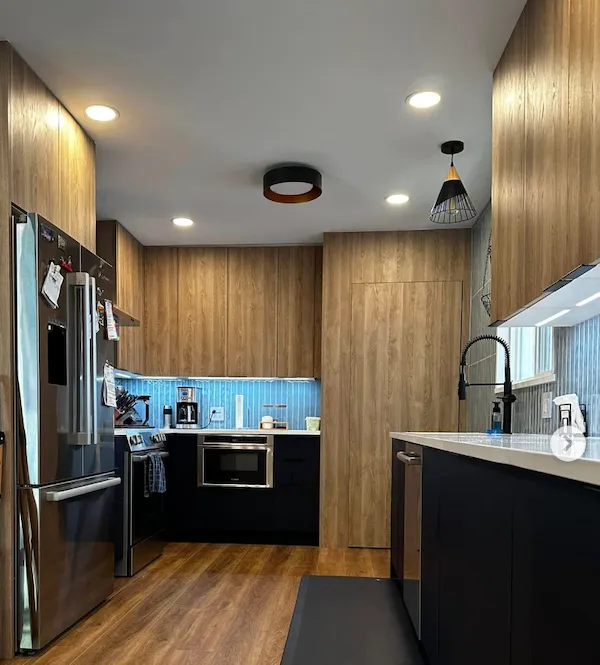
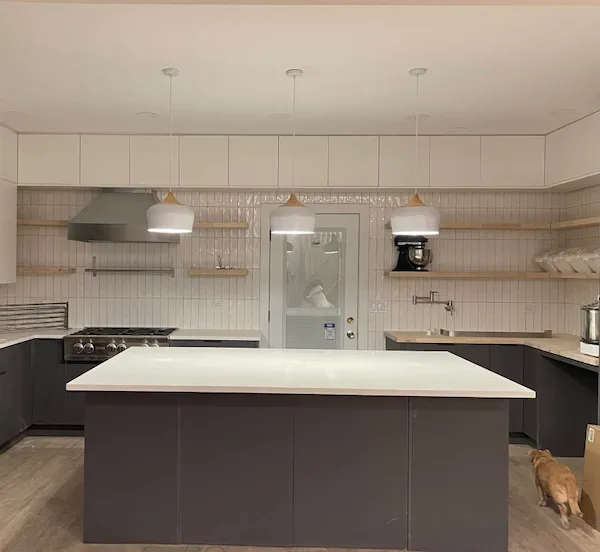
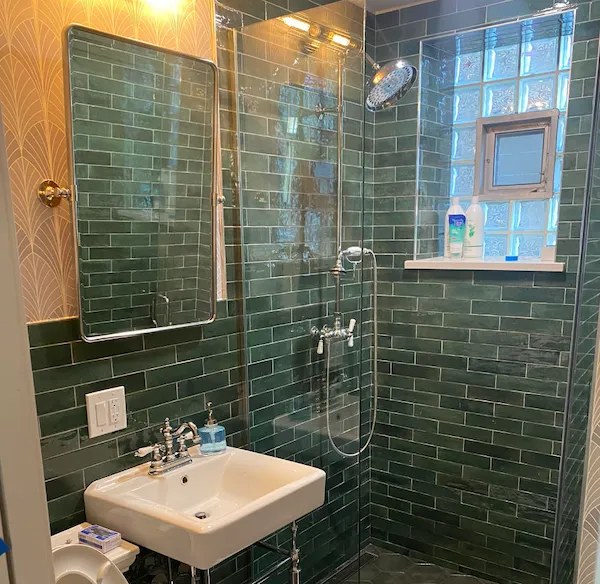
Compare that to a mid-range kitchen remodeling project in the $43,000 to $79,000 range that transforms the most-used room in your home, or a bathroom remodeling project that modernizes a dated space for $18,000 to $45,000. You get a home that functions the way you need it to without giving up your favorable mortgage rate, without paying $35,000 in transaction costs, and without competing in a market with historically low inventory.
For homeowners in older Chicago building types like vintage graystones, two-flats, and pre-war condos, remodeling is often the only realistic path to a modern layout. These buildings have character and location that new construction cannot replicate, but their original floor plans rarely match how people live and cook today.
Which Projects Deliver the Best ROI Right Now?
Not all remodeling projects are equal when it comes to return on investment, and the current market conditions make some upgrades particularly smart.
According to the 2025 Cost vs. Value Report from Zonda, minor kitchen remodels recover approximately 96% of their costs at resale. That is near the top of any interior project. Mid-range bathroom remodels recoup roughly 60-70% of project costs. On average, homeowners recover about 74 cents for every dollar invested across all project types.
In Chicago specifically, the tight inventory and strong buyer demand amplify these returns. When buyers have fewer options and updated homes command premium pricing, your remodel captures more value than the national averages suggest.
The projects that tend to deliver the strongest combination of ROI and daily livability include:
- Kitchen remodels focused on layout and function rather than ultra-premium finishes. A well-designed kitchen with quality cabinetry, solid countertops, and a layout that actually works will outperform a kitchen with flashy materials but poor flow.
- Primary bathroom upgrades that address dated fixtures, poor lighting, and inadequate storage. Buyers notice bathrooms immediately, and a modern bathroom signals that the home has been cared for.
- Basement finishing that adds usable square footage. In Chicago’s market, finished basement space is one of the most cost-effective ways to increase both livability and appraised value.
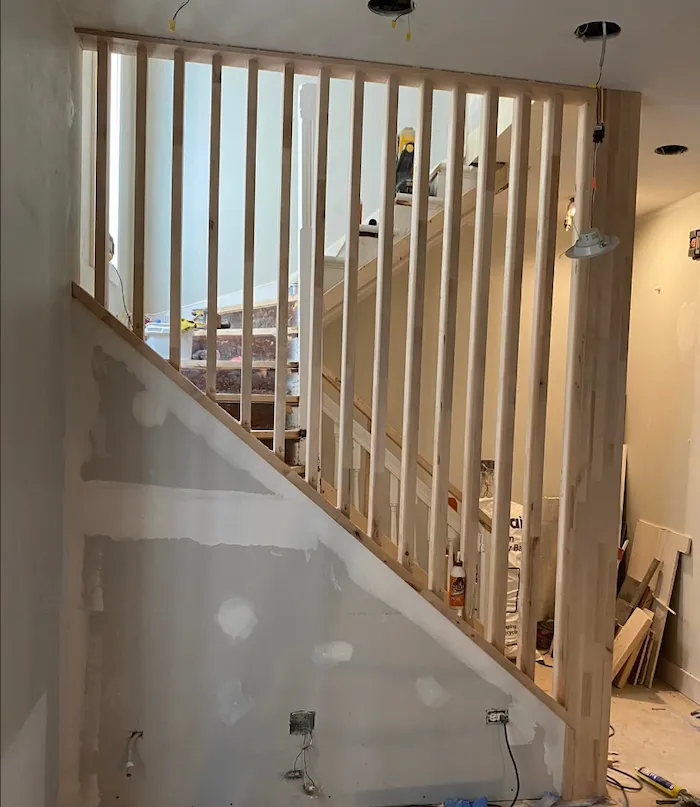
- Custom carpentry and built-ins that solve storage problems unique to your home. In condos and older homes with limited closet space, built-ins deliver outsized value relative to their cost.
How to Time Your Project in 2026
If you have decided to move forward, timing within the year matters more than most homeowners realize.
Spring and early summer are peak season for Chicago remodeling contractors. Demand surges, schedules fill up, and lead times stretch. If you are reading this in April, the best time to start planning was January, but the second-best time is right now.
Here is a practical approach to timing your 2026 project:
- Start the design and planning phase now. Even if construction does not begin until late summer or fall, locking in your scope, materials, and contractor keeps you ahead of price increases and schedule bottlenecks.
- Order tariff-sensitive materials early. Cabinets, appliances, and fixtures with long lead times should be specified and ordered as soon as your project scope is confirmed. Prices on these categories are not coming down, and some suppliers are warning of additional increases later in 2026.
- Do not wait for a “perfect” time. In a market where material costs are rising incrementally, mortgage rates remain elevated, and home values continue to appreciate, waiting another 12 months is more likely to cost you money than save it.
What This Means for Chicago Condo Owners Specifically
Condo owners face a few unique considerations that make the timing question even more pressing.
HOA approval processes can add weeks or months to your project timeline. If your building requires board approval for renovation work, starting that process now means you are positioned to begin construction when your slot opens up rather than losing another season to paperwork.
High-rise buildings in neighborhoods like Wicker Park, Logan Square, and Old Town often have restricted construction windows, designated elevator hours for material delivery, and noise policies that limit when work can happen. A contractor who understands these constraints can plan around them rather than getting stalled by them.
The competitive dynamic inside a condo building is also worth considering. When comparable units in your building sell with updated kitchens and bathrooms, your unrenovated unit becomes the discount option. In a market where buyers are already paying premium prices, that gap between updated and dated units can be significant.
Frequently Asked Questions About Remodeling in 2026
Is 2026 a good year to remodel a home in Chicago?
Yes, 2026 is a strong year to remodel for most Chicago homeowners. Home values are rising, inventory is historically low, and the cost of moving or upgrading to a different property is significantly higher than investing in your current home. Material costs have stabilized at elevated levels, but waiting is unlikely to produce savings since tariffs and supply dynamics point to incremental increases rather than relief.
Will remodeling costs go down in 2026 or 2027?
Remodeling costs are not expected to decrease meaningfully in 2026 or 2027. Current tariffs on imported cabinets, appliances, and building materials are pushing prices higher, and domestic manufacturers have adjusted their pricing upward as well. Industry forecasts point to a cost plateau with selective increases on tariff-affected products rather than any broad decline.
How do tariffs affect the cost of a kitchen remodel in Chicago?
Tariffs are adding 16-50% to specific product categories used in kitchen remodels. Imported cabinets and vanities face 30-50% tariff rates. Kitchen appliances like dishwashers, ovens, and ranges are up 16-18%. Metal-based products including fixtures and hardware are up about 20%. Your contractor can help you identify domestic alternatives and materials that are less tariff-exposed to manage the impact on your budget.
Should I remodel my Chicago home or sell and buy a different one?
For most Chicago homeowners, remodeling is the better financial move in 2026. Selling involves $30,000-$40,000 in transaction costs on a typical Chicago home, and purchasing at current mortgage rates (around 6.12%) means giving up the lower rate you likely locked in when you bought. Remodeling lets you keep your favorable mortgage, avoid transaction costs, and end up in a home that fits the way you live.
What is the best time of year to start a remodel in Chicago?
Late summer and fall often offer the best combination of contractor availability and scheduling flexibility in Chicago. Spring is peak season when demand is highest. However, the planning and design phase should start as early as possible, ideally 2-3 months before your target construction start date, so materials can be ordered and permits can be pulled without delaying the project.
How much does a typical kitchen remodel cost in Chicago in 2026?
A kitchen remodel in Chicago ranges from about $27,000 for a budget refresh to $145,000 or more for a high-end renovation. Mid-range projects that include new cabinetry, quality countertops, updated appliances, and moderate layout changes typically fall between $43,000 and $79,000. Chicago costs run 15-25% higher than national averages due to strict building codes, aging housing stock, and a competitive labor market.
What remodeling projects have the highest ROI in Chicago?
Minor kitchen remodels lead interior projects with approximately 96% cost recovery at resale, according to the 2025 Cost vs. Value Report from Zonda. Mid-range bathroom remodels recoup roughly 60-70% of costs. In Chicago’s tight market with limited inventory and strong buyer demand, well-executed remodels tend to outperform national ROI averages because buyers have fewer updated options to choose from.
Is it worth remodeling a condo in Chicago right now?
Remodeling a Chicago condo is worth it in 2026, particularly if comparable units in your building have been updated and yours has not. In a tight market, the price gap between renovated and dated units in the same building can be significant. A well-executed condo renovation brings your unit in line with updated comps while improving your daily living experience.
How should I budget for a remodel during economic uncertainty?
Build a 10-15% contingency into your budget to account for material price fluctuations and unexpected conditions behind walls, which are common in older Chicago homes. Lock in pricing on tariff-sensitive items like cabinets and appliances early in the planning process. Focus your investment on the rooms and upgrades that deliver the strongest combination of daily livability and resale value rather than spreading your budget thin across the entire home.
Does market volatility affect home remodeling decisions?
Market volatility affects the timing and scope of remodeling decisions, but it does not eliminate the case for investing in your home. In fact, periods of housing market tightness and rising costs often strengthen the argument for remodeling because the alternative of buying a different home becomes more expensive. The key is to plan strategically, budget with contingencies, and work with a contractor who can help you make smart material and scope decisions.