
Quartz vs. Marble Countertops for Your Chicago Kitchen: Which Material Should You Choose?
When you're remodeling a Chicago kitchen, choosing the right countertop material is one of the biggest decisions you'll make. Two of the most popular choices are quartz and marble. Both look stunning, but they behave very differently in daily use. The material you choose affects not just how your kitchen looks, but how much time you spend maintaining it, how long it lasts, and how much you'll spend over the life of your remodel. Understanding the real differences between these two materials will help you make a choice that actually works for your kitchen and your lifestyle.
Cost: The First Difference
Quartz countertops typically cost between $50 to $150 per square foot, while marble usually runs $75 to $250 per square foot, before installation. For a standard 25-square-foot Chicago kitchen countertop, that means quartz might cost $1,250 to $3,750 in material alone, while marble could run $1,875 to $6,250. Installation costs are usually similar for both materials, but when you factor in long-term maintenance, the story changes.
Durability and Daily Wear
This is where quartz and marble diverge most significantly. Quartz is incredibly hard, scoring a 7 on the Mohs hardness scale, which makes it nearly impossible to scratch with normal kitchen use. Marble, by comparison, scores only 3 to 5, making it softer and much more vulnerable to everyday damage. In a busy Chicago kitchen, that difference matters. A marble countertop can be etched by acidic substances like lemon juice, vinegar, tomato sauce, and red wine. These substances create dull spots on the polished surface almost instantly. Quartz resists both staining and etching, so you can use your countertop the way you actually live.
Maintenance: Sealing and Care
Quartz requires virtually zero maintenance. It does not need sealing, ever. Wipe spills with soap and water, and you're done. Marble tells a different story. Marble must be sealed every 6 to 12 months, a process that typically costs $150 to $400 each time. Beyond sealing, marble stains require professional stain treatments (often $200 to $600 per incident), and deeper damage sometimes needs refinishing by a pro, which can cost $500 to $1,500. For a Chicago homeowner who wants a low-maintenance kitchen, quartz is the practical choice.
Heat Resistance: Where Marble Wins
One area where marble has a real advantage is heat tolerance. Marble can handle temperatures up to 480 degrees Fahrenheit, while quartz maxes out around 300 degrees. In practical terms, this means you should always use a trivet under hot pots and pans on quartz, and you can sometimes get away without one on marble. For most Chicago cooks, this is a minor consideration, but if you frequently transfer hot cookware directly from the stove to your countertop, it's worth knowing.
Aesthetics and Design Trends
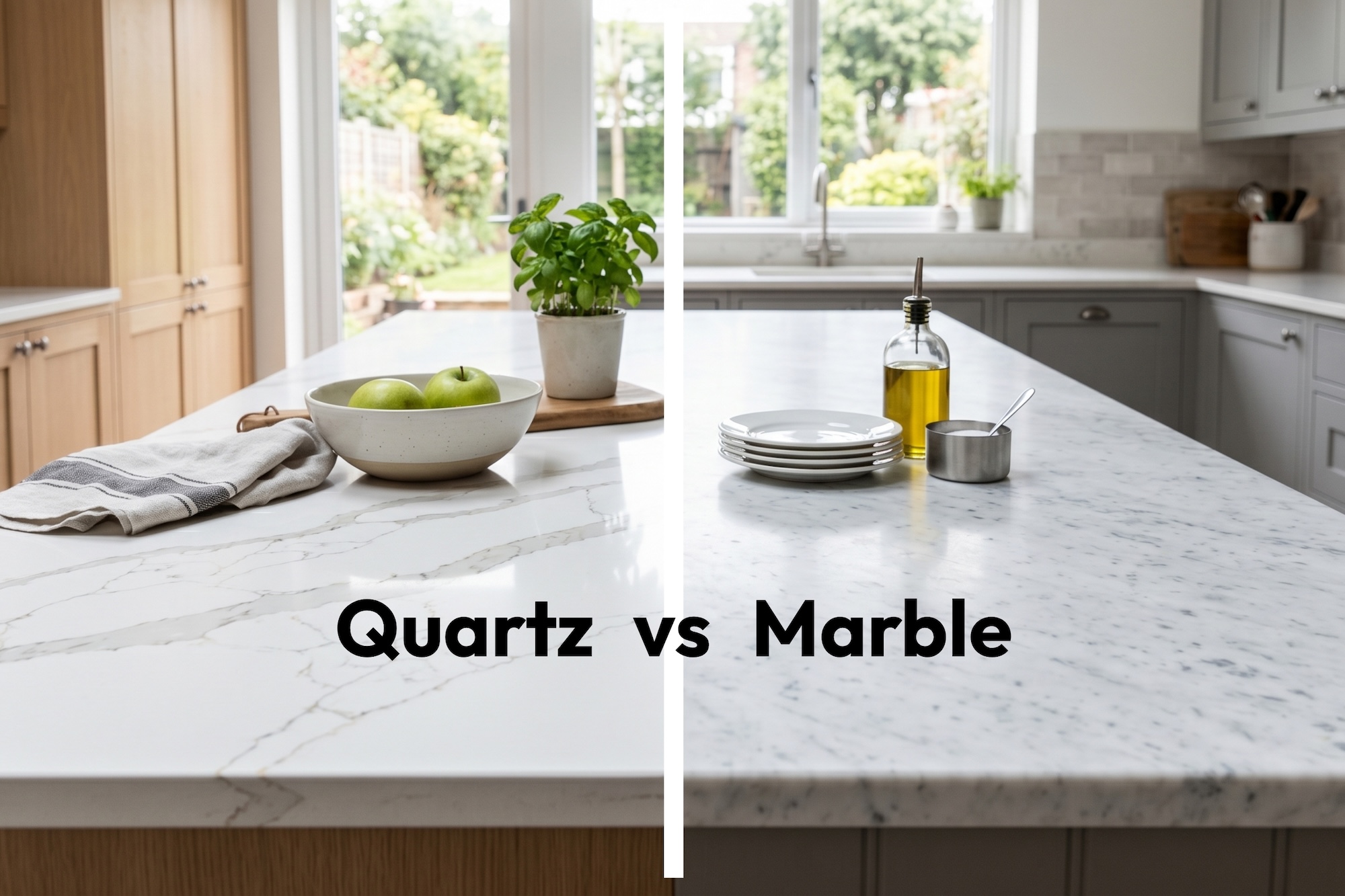
Both materials are beautiful, and both fit Chicago's design preferences. Marble has a classic, elegant look that feels timeless in high-end kitchens. In 2026, quartz is the fastest-growing countertop material, and manufacturers have responded by creating quartz products that mimic marble's veining almost perfectly. Designers are increasingly using marble-look quartz on perimeters and pairing natural marble or other materials on islands for a high-end mixed-material aesthetic. Matte and honed finishes are replacing the shiny polished look that dominated kitchens a few years ago, and both quartz and marble offer these softer finishes. The visual difference between the two has narrowed considerably.
Your Kitchen Remodeling Decision
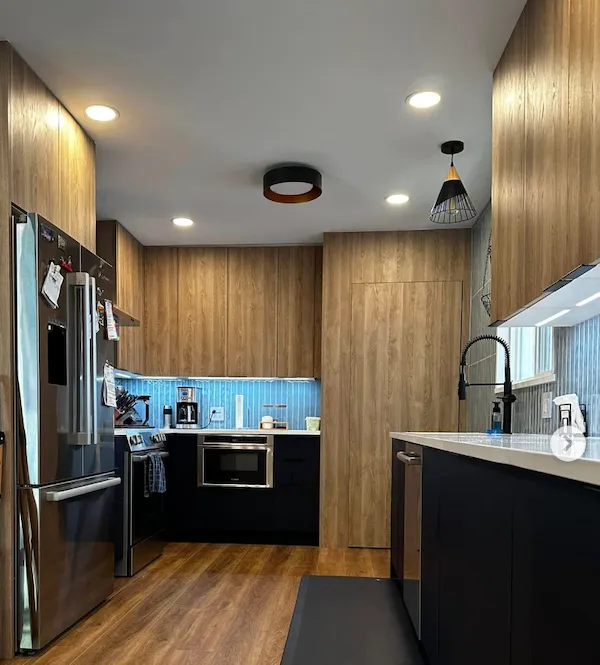
The right choice depends on your priorities and how you actually use your kitchen. If you want maximum durability, zero maintenance, and a countertop that won't etch or stain, quartz is the clear winner. It's the practical choice for busy families and anyone who wants a stunning kitchen they don't have to babysit. If you prioritize classic aesthetics and can commit to regular sealing and careful use, marble works beautifully in Chicago kitchens, especially if your kitchen style leans formal and elegant and you don't do heavy cooking. Marble also works well if your kitchen is more of a showpiece than your primary cooking workspace.
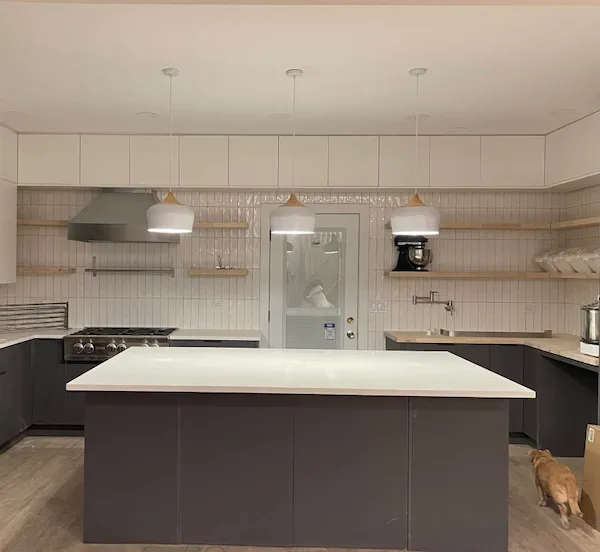
Many of our best Chicago bathroom remodeling and kitchen remodeling projects use a mixed approach: marble or a natural stone on a statement island, where it's purely aesthetic and less exposed to daily wear, and quartz on the working perimeter where durability and practicality matter most. This hybrid strategy gives you marble's elegance where it counts visually and quartz's low-maintenance durability where you actually work. You can also incorporate quartz into condo renovation projects where kitchen space is tight and every surface needs to perform, or extend the approach into whole home renovation projects that include multiple kitchens or basement finishing spaces with bar areas.
Whatever you choose, the investment in quality countertops is one of the most visible and longest-lasting components of any kitchen remodel. Wood Contracting works with Chicago homeowners every day to weigh material choices and build kitchens that are both stunning and genuinely livable. Our experience with both quartz and marble, across neighborhood-specific styles from Lincoln Park to West Loop to Gold Coast, means we know what works in Chicago kitchens. We can also help with custom carpentry and built-ins that coordinate with your countertop choice.
Frequently Asked Questions
Which material is more durable, quartz or marble?
Quartz is significantly more durable. It scores a 7 on the Mohs hardness scale compared to marble's 3 to 5, making it nearly impossible to scratch and resistant to etching from acidic substances. Marble requires regular maintenance and care to prevent permanent damage.
How much does quartz cost compared to marble in Chicago?
Quartz typically costs $50 to $150 per square foot, while marble runs $75 to $250 per square foot, before installation. However, marble's long-term maintenance costs add significantly over time due to required sealing and professional stain removal.
Do quartz countertops need to be sealed?
No, quartz does not require sealing. It's pre-engineered to be stain and water resistant. Simply wipe spills with soap and water, and the maintenance is done. Marble, by contrast, must be sealed every 6 to 12 months to maintain protection.
Can you put hot pans directly on quartz or marble?
Marble can tolerate heat up to 480 degrees Fahrenheit, so it handles hot pans better than quartz. Quartz maxes out around 300 degrees, so you should use a trivet under hot cookware to avoid damage. Neither material is completely safe for direct contact with very hot items.
Will marble countertops stain or etch in a kitchen?
Yes, marble is prone to etching and staining. Acidic substances like lemon juice, vinegar, tomato sauce, and red wine etch the surface on contact, creating dull spots. Stains require professional treatment and can be expensive to remove.
Can quartz look like marble in a Chicago kitchen?
Yes, modern quartz manufacturers create products with marble-like veining and patterns that look nearly identical to natural marble. Many high-end Chicago kitchens use marble-look quartz on the working perimeter and pair it with natural marble or stone accents on islands for a mixed-material aesthetic.
What countertop material is trending in Chicago kitchens in 2026?
Quartz is the fastest-growing countertop material, but there's a resurgence of interest in natural stones, with marble veining and matte finishes leading the visual trends. Mixed-material kitchens, combining quartz and marble or natural stone, are becoming more popular among Chicago designers and homeowners.