
How Do You Make a Small Chicago Condo Kitchen Feel Bigger?
Small kitchens dominate Chicago's condo and townhome market. Whether working with a galley kitchen in a Lakeview walk-up, compact U-shaped kitchen in a South Loop high-rise, or narrow layout in a West Loop loft, limited square footage creates unique challenges. Smart planning, clever storage, and strategic design transform even smallest kitchens into beautiful, functional spaces. Our guide on balancing form and function goes deeper on this tension.
What Are the Best Layouts for Small Condo Kitchens?
Chicago condo kitchens typically follow several common layouts. Understanding your type helps identify best improvement strategies.
Galley kitchens feature parallel counters creating corridor workspace. This layout dominates vintage apartments and modern condos prioritizing efficiency. Galleys provide excellent workflow when designed properly. The challenge lies in making them feel open rather than cramped. Successful renovations focus on lighting, light colors, and visual tricks expanding perceived space. Opening one end to adjacent areas transforms isolated galleys into connected spaces.
L-shaped kitchens occupy one corner with cabinets along two perpendicular walls. This appears frequently in condos, providing good workflow while leaving floor space open. The corner presents both challenge and opportunity - wasted space if not addressed, but excellent storage potential with right solutions. L-shaped layouts often accommodate small tables or islands without overwhelming space.
U-shaped kitchens surround you with cabinets on three walls. This maximizes storage and counter space but can feel enclosed. U-shaped works well for serious cooks prioritizing function. Success lies in maintaining 42-48 inch clearance between opposing cabinets while using design preventing claustrophobia.
One-wall kitchens place everything along single walls, common in studios. Ultra-compact layouts demand careful planning to include appliances and storage within limited space. One-wall kitchens benefit from vertical thinking - full-height cabinets extending storage upward. Small carts or narrow islands provide additional prep space.
What Cabinet Solutions Work Best in a Small Kitchen?
Cabinet selection dramatically impacts function and aesthetics. Smart choices multiply storage while creating visual spaciousness.
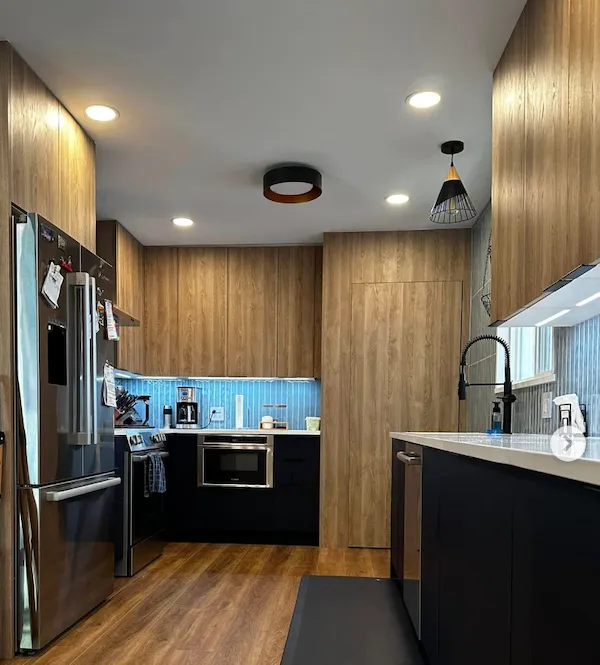
Floor-to-ceiling cabinetry maximizes vertical space. Standard cabinets stop at 8 feet, leaving 18-24 inches unused in typical 9-10 foot ceilings. Custom or semi-custom cabinets extending to ceiling provide substantial additional storage while making rooms feel taller. Use upper shelves for less-accessed items. The investment pays dividends through increased capacity.
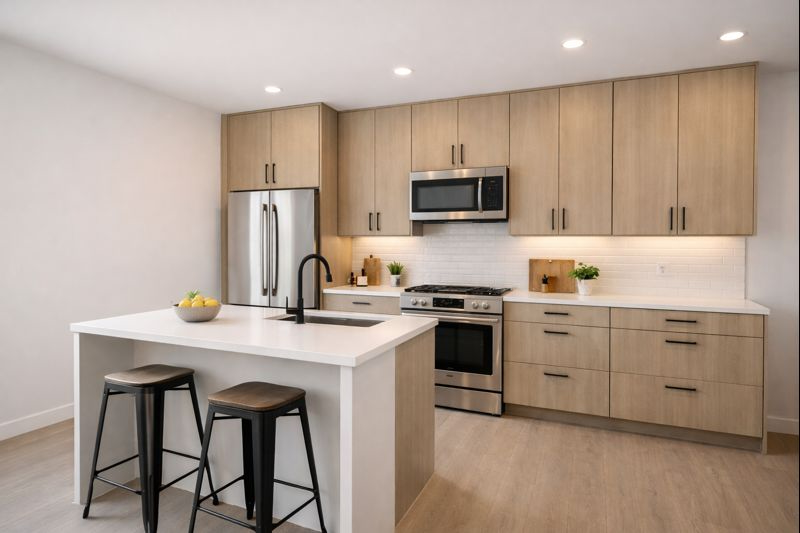
Light-colored cabinets create visual expansion. White, cream, light gray, or pale wood tones reflect light and make kitchens feel larger. Dark cabinets can work with excellent natural light, but generally light colors serve compact spaces better. Perception of openness outweighs aesthetic preference for dark finishes in small kitchens.
Glass-front upper cabinets introduce visual depth through transparency. Strategically placed glass doors break up solid runs, allowing views through to back walls creating perceived depth. Display attractive dishes or glassware in glass-front cabinets. Combine with interior cabinet lighting for dramatic effect. Use selectively - two or three glass doors provide impact without requiring perfect organization throughout.
Pull-out organizers maximize interior efficiency. Base cabinets with roll-out shelves provide full access rather than requiring digging. Pull-out pantries fit in narrow 12-15 inch spaces, storing significant dry goods. Vertical dividers organize baking sheets and platters. Drawer organizers contain utensils and spices. These solutions multiply functional capacity without increasing footprints.
Corner solutions recover wasted space. Lazy susan mechanisms in corners provide full access to otherwise unreachable areas. Pull-out corner systems bring contents forward. Magic corners with swing-out shelves make every inch accessible. These cost more than standard shelves but deliver value where every cubic inch matters.
How Do You Choose Countertops and Backsplash for a Small Kitchen?
Countertop and backsplash selections impact aesthetics and function significantly.
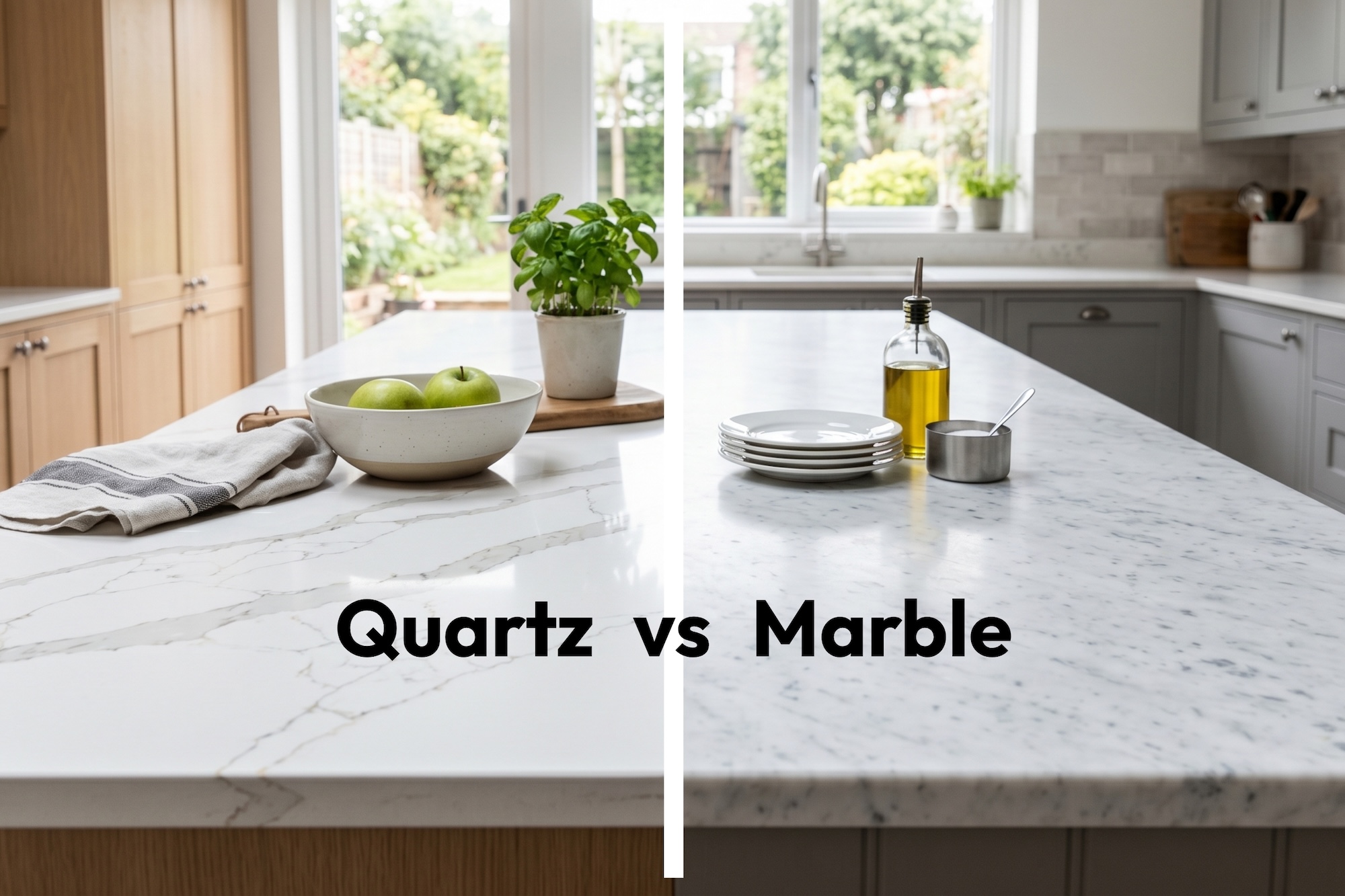
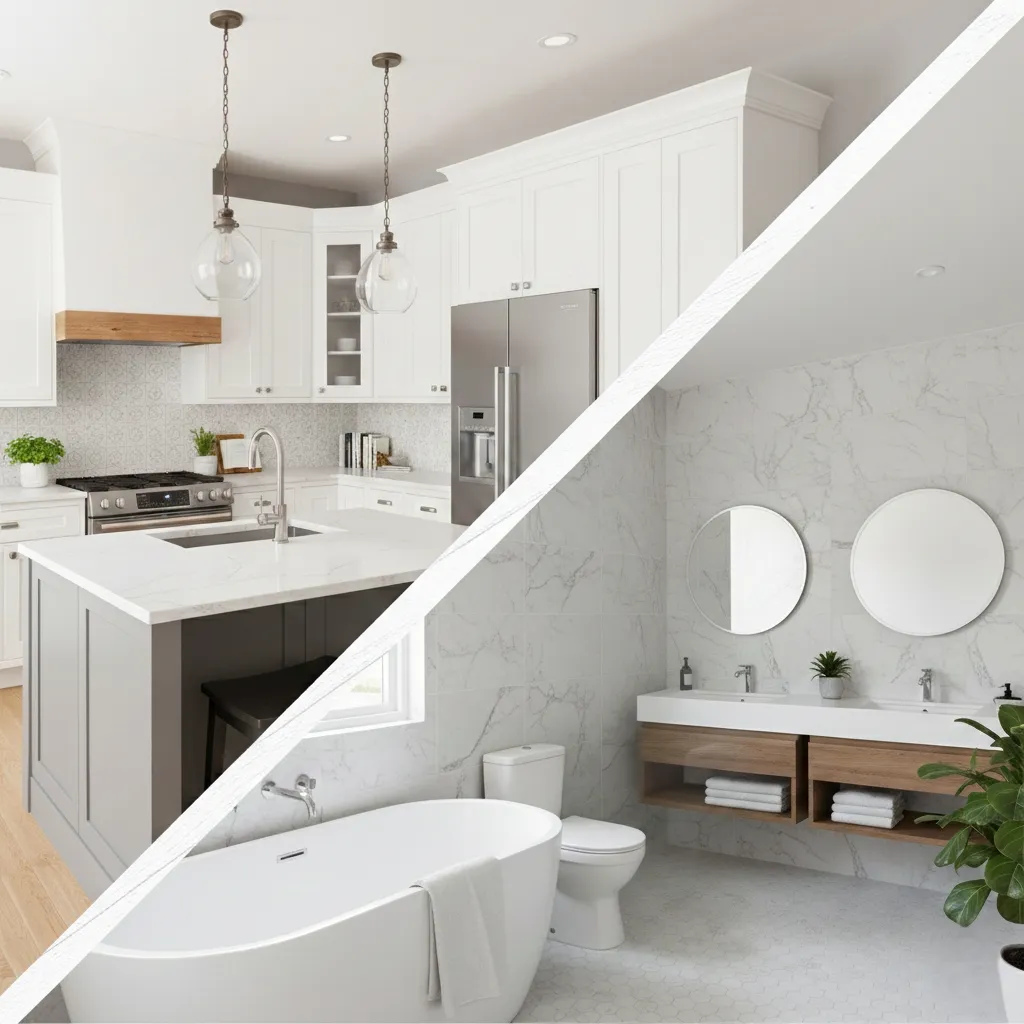
Light-colored countertops expand space visually. White or light gray quartz provides clean surfaces reflecting light. Marble offers elegance. Avoid busy patterns overwhelming small spaces. Subtle veining works better than dramatic patterns. Countertops create largest continuous surfaces, making color selection particularly impactful.
Continuous backsplashes to ceiling eliminate visual breaks. Full-height tile creates uninterrupted vertical lines making walls feel taller. This costs more than standard backsplashes but delivers outsized visual impact. Subway tile, large format tile, or stone slabs work well for ceiling-height installations.
Mirrored backsplashes create dramatic space multiplication through reflection. Antique mirror, gray mirror, or clear mirror behind ranges or along walls literally doubles perceived depth. This bold choice suits contemporary aesthetics. Visual impact transforms cramped galleys into spaces feeling twice their size.
Extending countertops strategically adds work surface. Narrow breakfast bars off galley ends provide eating space and prep area. Peninsula counters enclosing galley ends create definition while adding counter surface. Every additional linear foot delivers genuine functional value.
What Appliances Fit Best in a Small Chicago Condo Kitchen?
Appliance choices dramatically affect how small kitchens function. Understanding scaled options and multi-functional designs helps you get everything needed without overwhelming space.
Apartment-sized or narrow refrigerators conserve floor space. Counter-depth models in 30-33 inch widths save 3-6 inches without sacrificing much capacity. European brands offer 24-inch refrigerators fitting tight spaces. Bottom-freezer configurations maximize refrigerator access at comfortable heights. Built-in refrigerators create streamlined looks helping small kitchens feel designed.
Compact ranges and cooktops serve well. Twenty-four inch ranges fit where 30-inch won't. Narrow cooktops with 2-3 burners provide adequate capacity. Induction technology in compact sizes delivers professional performance. Combination microwave-convection ovens mounted above counters save floor space traditional ranges occupy.
Drawer dishwashers fit where standard models won't. Single drawer units in 24-inch width work for smaller households or pair for full capacity in modular configuration. Compact 18-inch dishwashers provide cleaning function while consuming minimal space. Panel-ready models accept custom fronts matching cabinetry for integrated looks.
Combination and multi-function appliances reduce equipment count. Microwave-convection ovens provide both reheating and cooking in single units. Range hood-microwave combinations serve dual purposes. These multi-taskers make sense where every appliance must justify its footprint.
How Do You Light a Small Kitchen to Make It Feel Larger?
Proper lighting transforms small kitchens more dramatically than almost any single factor. Layered illumination creates bright, functional spaces feeling larger.
Recessed ceiling lights provide even general illumination. Four to six fixtures eliminate shadows creating bright ambiance. LED recessed lights offer efficiency and longevity. Dimmer controls allow adjusting brightness. Proper general lighting makes small kitchens feel clean and spacious.
Under-cabinet lighting illuminates work surfaces. LED strips or puck lights eliminate shadows on counters. Task lighting makes cooking safer while creating beautiful ambient glow evenings. Hardwired lights controlled by wall switches provide seamless operation.
Pendant lights add style and focused illumination. Small pendants over peninsula counters provide task lighting with decorative impact. Scale appropriately - oversized fixtures overwhelm small spaces. One or two carefully selected pendants deliver more impact than multiple smaller ones creating visual clutter.
Natural light deserves maximization. Clean windows regularly. Avoid heavy treatments blocking light - use simple shades. Consider whether removing upper cabinets on window walls justifies storage sacrifice for natural light gained.
What Colors and Materials Make a Small Kitchen Look Bigger?
Color and material selections dramatically impact how spacious small kitchens feel.
Monochromatic color schemes expand space by eliminating visual breaks. Cabinets, walls, and ceilings in similar tones create continuous surfaces feeling larger. All-white kitchens exemplify this with maximum expansion. Variations within narrow ranges provide interest without breaking continuity. Vary textures while keeping colors related.
Reflective surfaces bounce light and create depth. Glossy cabinet finishes reflect more than matte. Polished stone has more reflective quality than honed. Glass tile backsplashes catch and reflect light. Stainless appliances add reflective elements. Combining reflective surfaces multiplies light.
Large-format tiles minimize grout lines. Floor tiles in 12x24 or 24x24 inch formats create cleaner looks than smaller tiles. Backsplash tiles in subway or larger formats avoid visual busyness. Fewer grout lines mean less interruption and perceived larger space. Large tiles also clean easier.
Continuous flooring between kitchen and adjacent spaces expands perceived area. Extend kitchen flooring into living or dining rather than changing at doorways. Unbroken floor plane makes total space feel larger. This works well in open concept condos where kitchen, living, and dining occupy one room.
What Are the Best Storage Solutions for a Small Kitchen?
Creative storage helps small kitchens accommodate everything without feeling cluttered. Think vertically, maximize corners, use every inch.
Vertical storage uses wall space efficiently. Pegboards with hooks hold pots and utensils. Magnetic knife strips free drawer space. Wall-mounted dish racks save counter space. Rail systems with S-hooks store frequently used items within reach.
Toe-kick drawers recover wasted space under base cabinets. Shallow drawers fit in recessed areas where cabinets meet floor, storing flat items like baking sheets or serving pieces. Installation adds modest cost but delivers genuine capacity in otherwise unused space.
Rolling carts provide flexible storage and prep space. Narrow carts tuck into gaps beside refrigerators or galley ends when not needed, then roll out for additional work surface during cooking. Carts with butcher block tops create extra prep area. Mobility allows reconfiguring workspace based on needs.
Over-refrigerator and over-range storage cabinets capture wasted space. Custom cabinets above refrigerators store large, infrequently-used items. Cabinets above ranges house ventilation while providing storage. These require step stools but deliver valuable capacity where storage is premium.
What Are the Most Affordable Small Kitchen Updates?
Meaningful improvements don't require complete renovations. Strategic updates deliver dramatic impact without extensive construction.
Cabinet painting transforms dated kitchens affordably. Professional painting costs $3,500-6,500. DIY saves money but requires preparation and quality paint. Update hardware simultaneously - new pulls for $300-600 complete transformation. Painted cabinets in light colors make small kitchens feel fresh.
Peel-and-stick backsplash tiles offer budget updates. Quality options convincingly replicate subway tile and marble at $8-18 per square foot DIY installed. These work for renters or homeowners wanting quick improvements. Results rival traditional tile when quality materials install carefully.
Lighting upgrades deliver outsized impact. New LED recessed lights cost $150-250 per fixture installed. Under-cabinet LED strips add task lighting for $100-300. Replacing dated fixtures runs $150-600. Better lighting makes small kitchens function better while feeling more spacious.
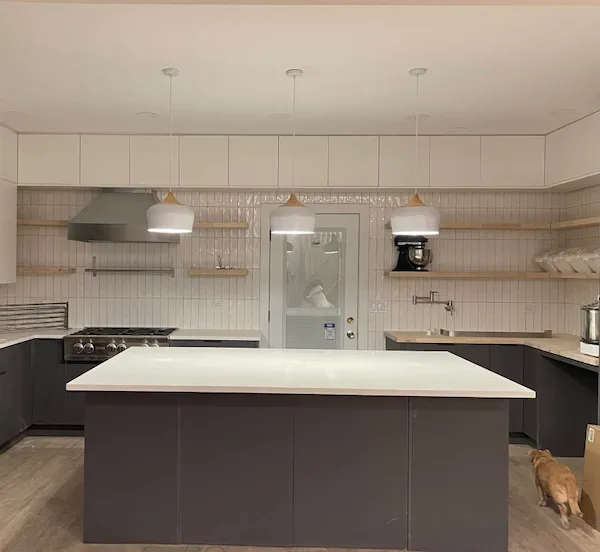
Open shelving replaces upper cabinets affordably. Removing uppers and installing floating shelves costs $800-1,800. Openness created often worth storage sacrifice in dark kitchens. Display attractive dishes for personality. This dramatic change creates different feel without extensive construction.
How Do Condo Rules Affect a Small Kitchen Remodel?
Condo renovations face building restrictions affecting possibilities. Understanding constraints helps plan realistic projects gaining approvals.
HOA approval requirements apply to work affecting building systems. Submit detailed plans showing materials, fixtures, and contractors. Review adds 4-8 weeks. Start approval process early.
Plumbing restrictions limit reconfigurations. Buildings prohibit relocating kitchens due to plumbing stacks. Moving sinks may require building approval. Most successful remodels maintain plumbing locations, updating finishes within current footprints.
Work hour limitations require planning around restricted schedules. Most condos limit construction to 9am-4pm weekdays. This 30-hour window versus 50-60 hours means proportionally longer projects. Factor extended timelines into planning.
Noise and disruption affect neighbors. Notify neighbors before work begins. Schedule noisy demolition early in windows. Ensure contractors protect common areas and clean thoroughly daily.
Ready to Start Your Small Kitchen Remodel?
Small kitchen remodels in Chicago condos offer opportunities to dramatically improve function and aesthetics within compact footprints. Success requires understanding your layout's strengths, making smart cabinet and storage decisions maximizing capacity, selecting appropriately-scaled appliances, implementing layered lighting, and choosing colors and materials creating visual expansion. Whether updating a Lakeview galley, renovating a South Loop U-shaped kitchen, or transforming a West Loop narrow layout, these strategies help create beautiful, functional kitchens making the most of every inch. Work with contractors experienced in Chicago condos who understand building restrictions and deliver quality within multi-unit constraints.