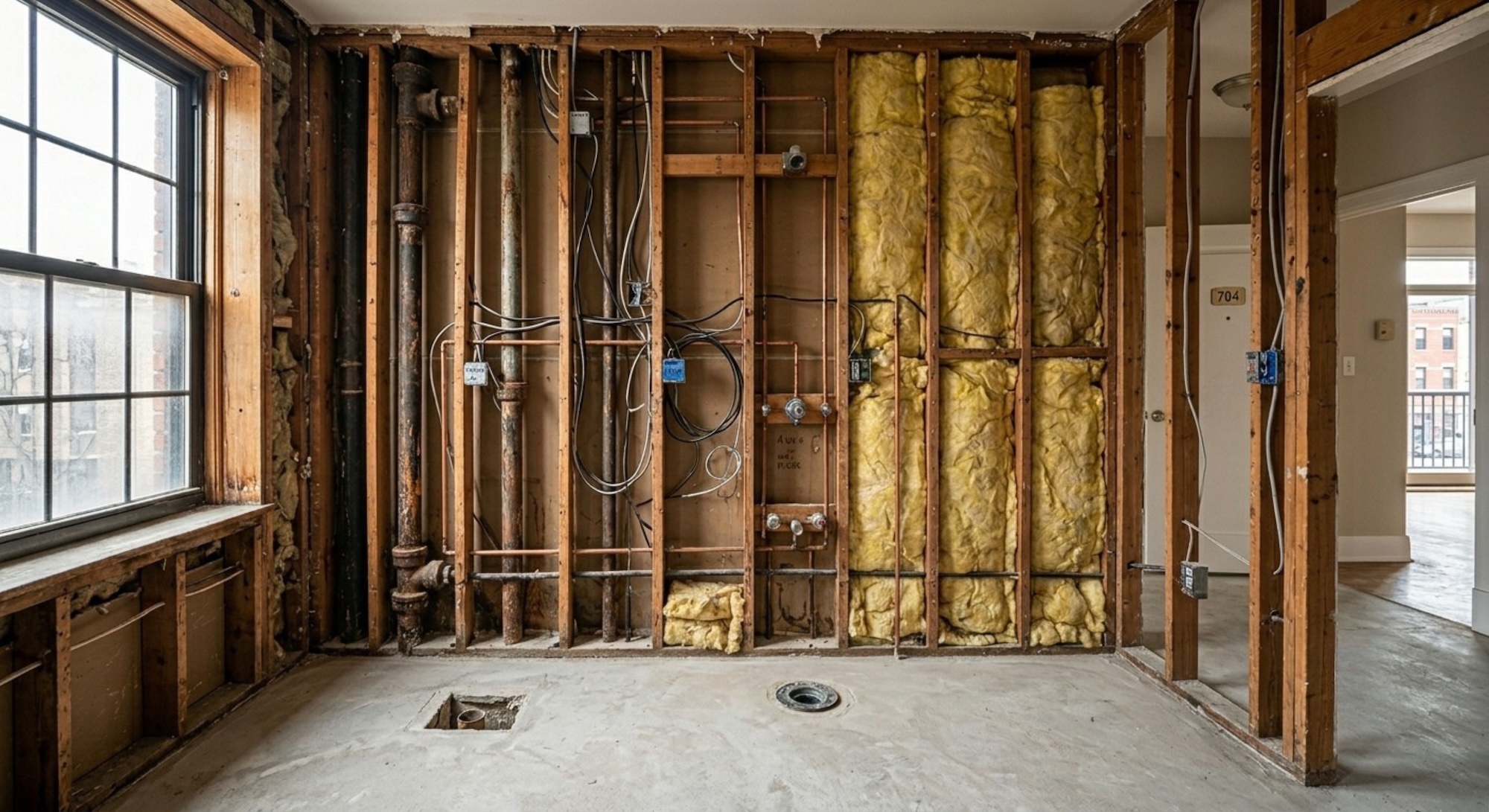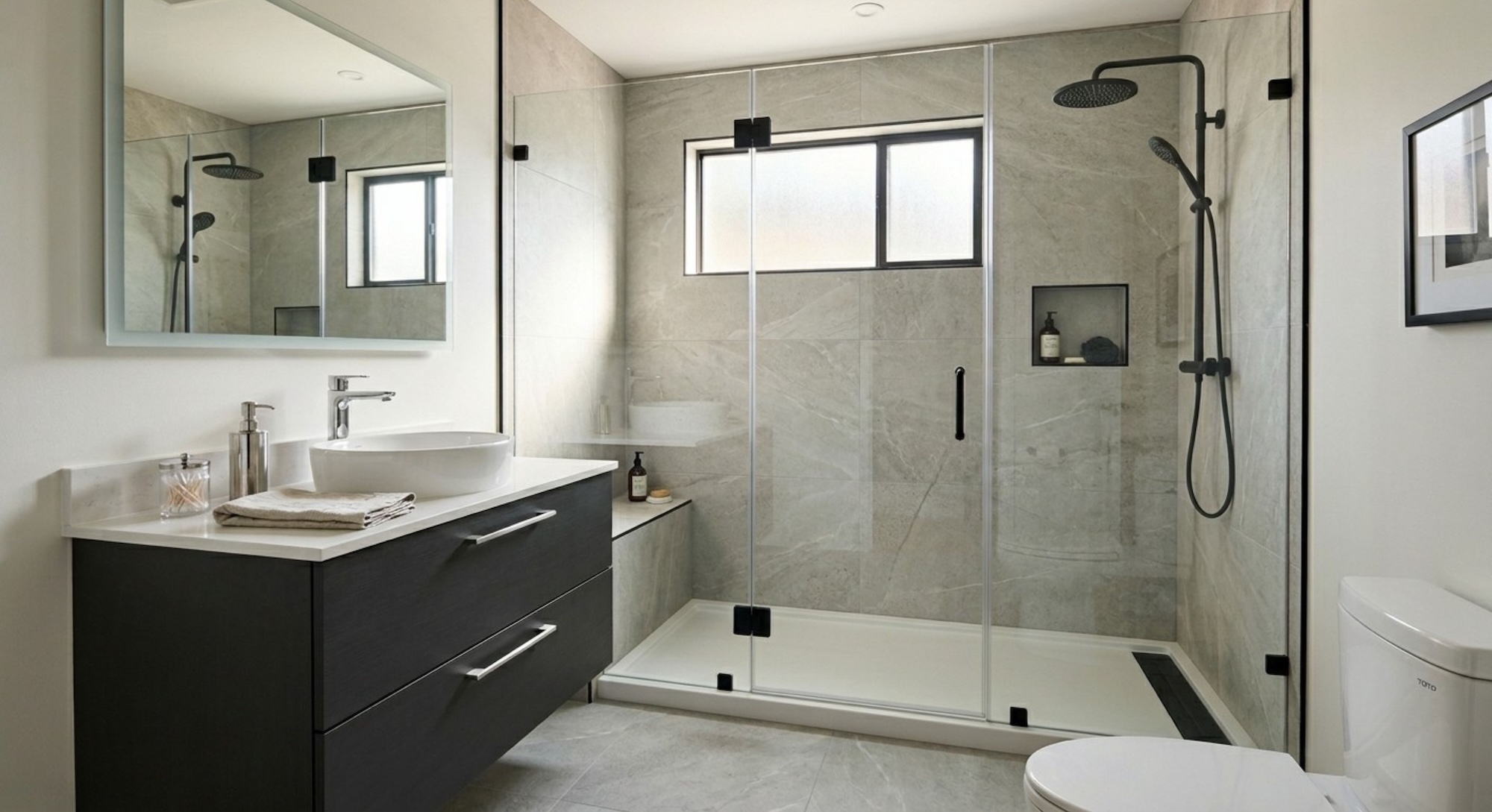


Is It Better to Remodel or Move in Chicago Right Now?
Chicago homeowners are in a uniquely powerful position right now, and most don't fully realize it.
The city is in the middle of a housing shortage that shows no signs of reversing. Illinois has a shortage of approximately 142,000 housing units and would need to build 45,000 new homes per year for the next five years just to keep pace with demand. Active listings across Chicago remain 64% below pre-pandemic levels, and median home prices in the Chicago metro area are forecast to grow by nearly 5% in 2026.
Meanwhile, the rental market offers no relief. Chicago's median rent hit $1,724 per month in 2025, a 4% jump in a single year. More than 42% of all Chicago households are now considered cost-burdened, spending over 30% of their income on housing.
For homeowners, this dynamic creates a compelling case: you own something scarce, and that scarcity is growing. A well-executed remodel in this environment does two things simultaneously. It increases what your home is worth when you sell, and it improves the quality of your life while you stay. In a city where moving up or moving out is increasingly expensive, investing in the home you already own is often the smartest financial move you can make.
This guide breaks down exactly what that investment looks like for kitchens, bathrooms, and whole-home renovations in Chicago, with real ROI benchmarks, project-level guidance, and the strategic thinking that separates a great remodel from an expensive mistake.
How Is ROI Calculated on a Home Remodel?
Return on investment in remodeling is measured as the percentage of your project cost that you recover through increased home value at resale. A minor kitchen remodel that costs $25,000 and adds $20,000 in resale value has an 80% ROI.
But here's what the percentages don't capture: the daily value of living in a home that works. A bathroom that functions beautifully, a kitchen that actually supports how you cook and entertain, a layout that feels spacious and cohesive: these aren't soft benefits. In a city where the average Chicago resident is spending more than ever just to stay housed, upgrading the home you own delivers returns that begin the moment your contractor wraps up.
Two rules consistently hold across the data.
Scope and ROI are inversely related. The more you spend on a single project, the lower your percentage return tends to be. A $25,000 kitchen refresh returns far more per dollar than a $90,000 full kitchen gut. This doesn't mean bigger projects are wrong; it means knowing your goals helps you make the right call.
Quality of execution matters as much as scope. A well-executed mid-range remodel will outperform a poorly managed high-end one every time. In Chicago's competitive condo and townhome market especially, buyers can spot quality, and so can appraisers.
What Is the ROI on a Kitchen Remodel in Chicago?
The kitchen is the most scrutinized room in any home sale and the most impactful daily space for the people living there. Chicago's condo and townhome market makes this particularly true: in high-rise and mid-rise buildings where square footage is tight, a kitchen that feels dated or dysfunctional is a deal-breaker for buyers and a daily frustration for residents.
Minor Kitchen Updates: The Highest-Percentage Return
Typical cost range: $15,000 to $27,000
Estimated ROI: 72% to 96%
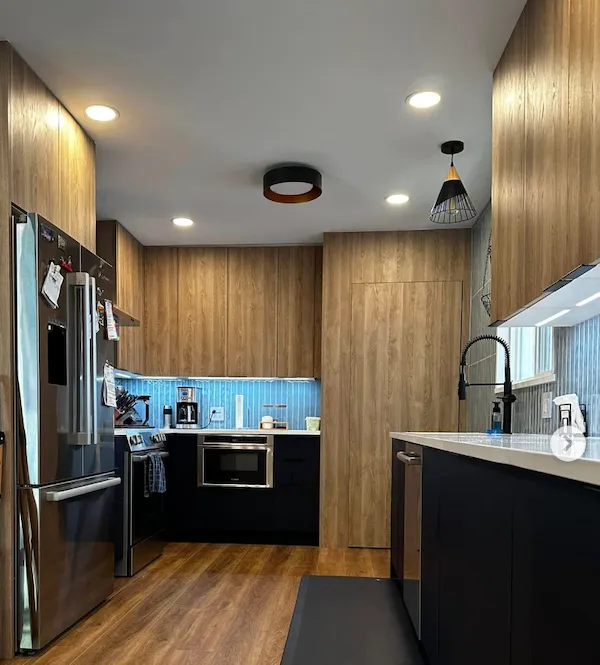
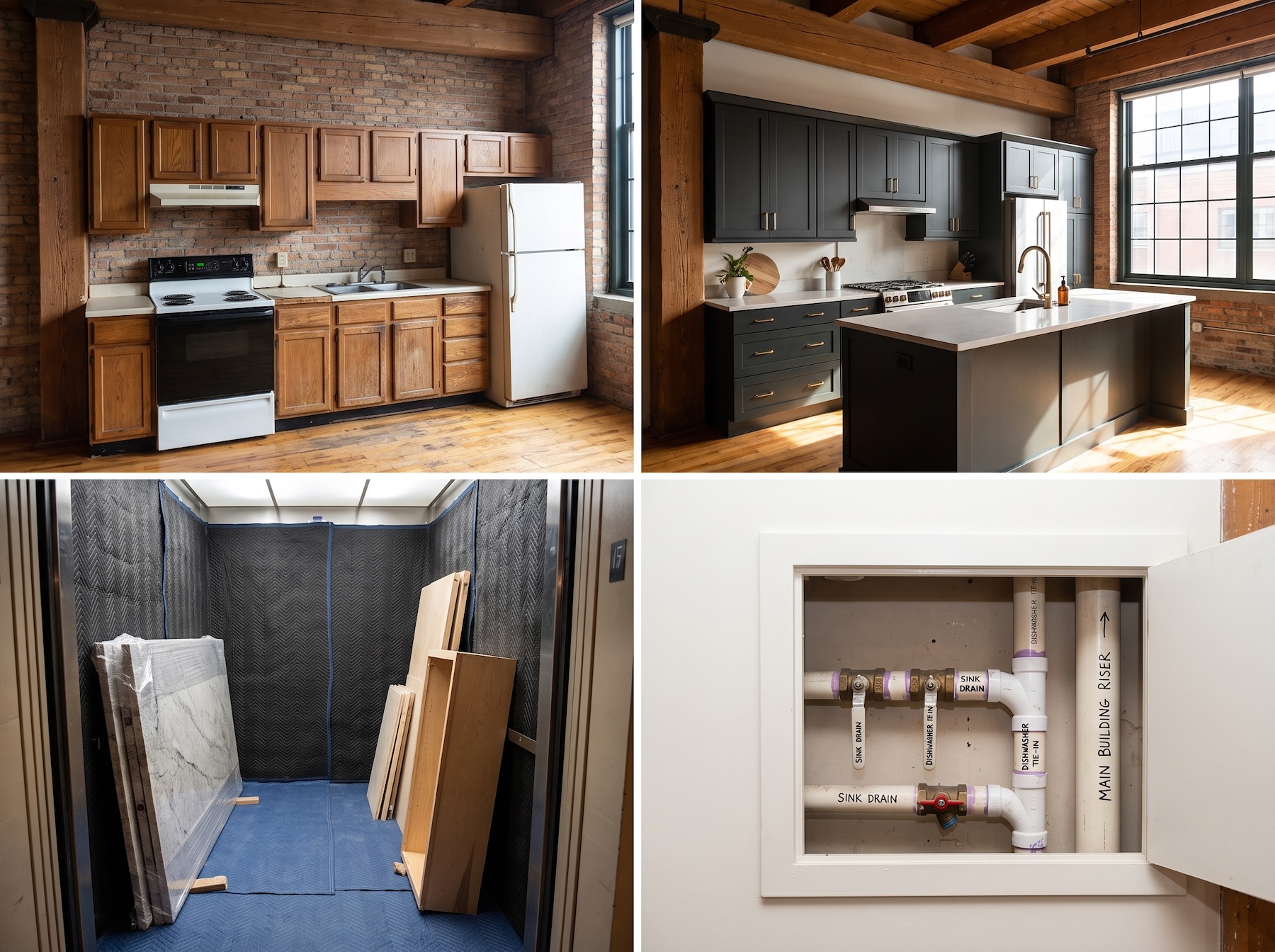
Minor kitchen updates consistently outperform major overhauls on a percentage basis. A $25,000 investment in this category typically adds $18,000 to $24,000 in resale value while dramatically improving how the space feels and functions. This typically includes cabinet refacing rather than full replacement, new quartz or granite countertops, updated backsplash tile, replaced hardware and fixtures, new energy-efficient appliances, improved lighting, and fresh paint in a neutral palette.
For Chicago condo owners especially, this is often the ideal move. You're modernizing the space without altering plumbing or layout, which keeps costs contained and avoids the ripple effect of structural changes in a shared building.
Major Kitchen Remodels: Higher Investment, Lower Percentage Return
Typical cost range: $50,000 to $90,000+
Estimated ROI: 38% to 55%
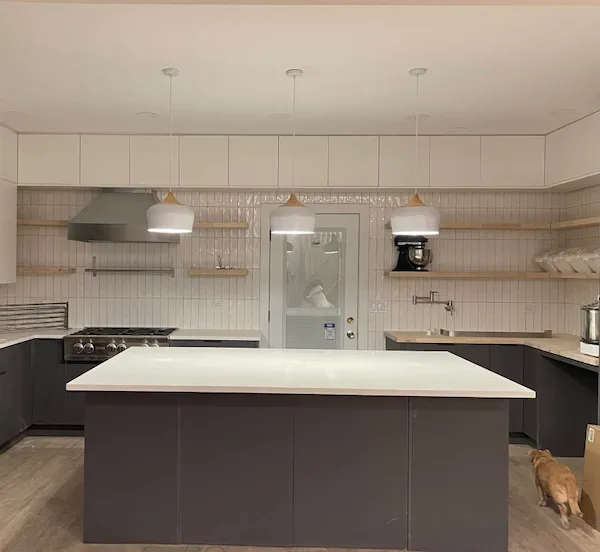
Major kitchen remodels involve reconfiguring layout, moving plumbing or gas lines, installing custom cabinetry, or adding premium finishes throughout. The result can be stunning, and in a home you plan to live in for many years, the lifestyle value is real. But on a purely financial basis, the percentage return drops significantly as project costs climb.
The right question here isn't whether a major kitchen remodel is worth it: it's what you're optimizing for. If you're planning to sell within two years, a targeted minor remodel will likely serve you better. If you're staying for five or more years and your kitchen genuinely doesn't work for your life, a larger investment may make perfect sense.
In Lincoln Park, the West Loop, River North, and similar high-demand neighborhoods, buyers have elevated expectations. A beautifully finished major kitchen remodel in these areas can push homes into a higher pricing tier and justify the investment.
What to Prioritize in Any Kitchen Remodel
Regardless of budget, and as our guide on where to splurge and where to save explains, these elements deliver the strongest impact in Chicago's market: quartz countertops (durable, broadly appealing, and the current standard), cabinet condition (refacing if the boxes are solid, full replacement only if the layout doesn't function), stainless steel energy-efficient appliances (a visible differentiator in Chicago's aging housing stock), and improved lighting including under-cabinet and recessed fixtures.
What Is the ROI on a Bathroom Remodel in Chicago?
Bathrooms punch above their weight when it comes to resale impact. According to the 2025 Cost vs. Value Report from the Journal of Light Construction, mid-range bathroom remodels are delivering their highest ROI since 2007, approximately 80% nationally. Modern bathrooms are consistently ranked among the top features buyers seek, with 18% of real estate agents identifying them as a primary selling point.
Minor Bathroom Updates
Typical cost range: $5,000 to $15,000
Estimated ROI: 70% to 85%
Cosmetic bathroom updates deliver some of the best dollar-for-dollar returns in home improvement. Because plumbing and layout remain unchanged, costs stay controlled while the visual impact is significant. This typically includes a new vanity and mirror, updated faucet and fixtures, fresh tile or reglazing, new lighting, paint, and a new toilet. For a Chicago condo bathroom that was last updated before 2010, this category of work can completely reposition the unit in the market.
Mid-Range Bathroom Remodel
Typical cost range: $15,000 to $30,000
Estimated ROI: 74% to 80%
The mid-range remodel replaces most surfaces and fixtures while keeping the existing layout intact. This is the sweet spot for most Chicago homeowners: significant transformation with controlled costs and the strongest percentage return of any bathroom scope. It typically includes a new vanity with quartz or solid surface top, tub-to-shower conversion or new tub installation, full tile work on floors and shower walls, proper waterproofing throughout, and updated toilet, lighting, and ventilation.
In Chicago's older condo stock particularly, waterproofing is not optional: it's infrastructure. A properly waterproofed shower protects both your unit and the units below you. Our standard includes full waterproofing on every shower and wet area, no shortcuts.
Upscale Bathroom Remodels
Typical cost range: $50,000 to $85,000+
Estimated ROI: 36% to 55%
Luxury bathroom remodels with heated floors, freestanding tubs, custom steam showers, and high-end stone work can be extraordinary spaces. They're worth building if you plan to enjoy them for years. But the data consistently shows diminishing percentage returns as costs escalate in this category.
Chicago-Specific Bathroom Priorities
Waterproofing is non-negotiable. Chicago's age of housing stock and density of multi-unit buildings means water intrusion affects neighbors. Proper liner installation and waterproofing membrane work aren't luxury add-ons.
Storage matters in smaller units. Recessed niches, medicine cabinets, and smart vanity storage are high-value, low-cost additions that resonate with Chicago condo buyers.
Ventilation. Older Chicago buildings frequently have inadequate bathroom ventilation. Addressing this prevents mold, protects finishes, and shows buyers the unit was properly maintained.
What Return Can You Expect From a Whole-Home Renovation?
Whole-home renovations don't appear as a single line item in standard ROI reports, but the data from individual project categories tells a consistent story: when multiple high-value rooms are updated as part of a cohesive project, the combined impact often exceeds what the individual numbers would suggest.
Chicago's housing market adds a meaningful layer. In a city where inventory is severely constrained and buyers are making decisions quickly, a home or condo that presents as move-in ready and updated throughout commands a genuine premium. Buyers priced out of the new construction market are actively looking for updated existing units, and a cohesive whole-home renovation positions your property to capture that demand.
What a Strategic Whole-Home Renovation Looks Like
The most financially effective whole-home renovations share a few traits. They prioritize kitchens and bathrooms first, since these two categories drive the majority of buyer perception and appraisal value. They maintain design cohesion: a sleek modern kitchen next to a dated bathroom pulls value down, while a consistent palette and finish level throughout tells the story of a cared-for, intentionally designed home. They address functional issues alongside cosmetic ones, because a whole-home project is the right time to fix what isn't working: inadequate storage, poor lighting, outdated electrical, or a layout that doesn't flow. And they're planned and executed as a single coordinated project rather than piecemeal over years.
Planning Timelines for Chicago Condo Owners
In high-rise and mid-rise buildings, renovations require HOA approval, may restrict working hours, and sometimes require elevator reservations for material deliveries. Build these realities into your planning timeline. A project that would take six to eight weeks in a standalone home may take ten to twelve weeks in a Chicago high-rise. Working with a contractor who has high-rise experience isn't a preference: it's a practical necessity for condo remodeling in the city.
Why Are Chicago Homeowners Choosing to Remodel Instead of Move?
The numbers on Chicago's housing market make a compelling argument for investing in your current home rather than chasing something different.
Consider the math for a typical Chicago condo owner. Active listings remain far below pre-pandemic levels, meaning competition for desirable units is fierce. Mortgage rates in the mid-6% range significantly erode purchasing power for anyone moving up. Closing costs, moving costs, and transaction friction can easily run 8% to 10% of a home's value. And Chicago median home prices are forecast to continue appreciating through 2026.
A homeowner who spends $60,000 on a kitchen and two-bathroom renovation and stays in their home for five more years captures both the lifestyle benefit of that investment and the continued appreciation of a scarcer asset. A homeowner who sells and buys something else pays transaction costs, enters a constrained market as a buyer, and starts over in a home that may need its own updates.
There's no universal right answer. But the math increasingly favors staying and improving, particularly for Chicago condo and townhome owners who purchased before the recent run-up in values.
How Do You Maximize the ROI on Your Chicago Remodel?
Know your timeline. The closer you are to selling, the more your decision should be driven by buyer expectations rather than personal preference. If you're selling within 12 months, focus on updates with the fastest and clearest return: bathrooms, kitchen surfaces, lighting, and paint. If you're staying five or more years, invest in projects that improve daily life.
Prioritize mid-range scope over luxury for resale. The data is consistent across every major project category: mid-range remodels return a higher percentage than upscale ones. You don't need marble to impress buyers: you need quality execution in materials that hold up and appeal broadly.
Don't over-improve relative to your building or neighborhood. In Chicago's condo market especially, comparable units cap your upside. Know your market before finalizing your scope.
Hire right. Poor workmanship erases ROI. Chicago condo renovations require a contractor with experience navigating HOA requirements, coordinating trade access, and executing clean work in occupied buildings. This is not the category for the lowest bid.
Don't neglect the unsexy stuff. Proper waterproofing, updated electrical, quality subfloor work: buyers and inspectors notice what's underneath. Cutting corners on infrastructure to spend more on finishes is a consistently bad trade.
Think in systems. A new vanity in a bathroom that still has inadequate lighting and poor ventilation doesn't tell a complete story. A cohesive, complete update, even a modest one, outperforms a scattered one every time.
Wood Contracting Inc - Built for Chicago Renovations
Wood Contracting Inc. specializes in kitchen, bathroom, and whole-home renovations for Chicago condos, townhomes, and single-family residences. We work extensively in high-rise and mid-rise buildings across the city's most desirable neighborhoods, and we understand what Chicago buyers, HOAs, and building managers require from a contractor.
Our work is characterized by clean execution, reliable communication, and finishes that hold up. We don't subcontract your project to unfamiliar crews: the team you meet is the team that does the work.
If you're thinking through a remodel and want an honest conversation about scope, cost, and what makes sense for your specific situation, we'd like to talk.
Ready to explore what your project could look like? Contact Wood Contracting Inc. for a consultation.
Sources Referenced:
Illinois Economic Policy Institute & University of Illinois Urbana-Champaign Housing Study (2025) | Journal of Light Construction 2025 Cost vs. Value Report | Housing Action Illinois / NLIHC Gap Report (2025) | Apartment List Chicago Rent Data (2025) | Illinois Policy Institute Housing Report (2025) | Chicago Agent Magazine 2026 Market Outlook | Norada Real Estate / Illinois REALTORS Market Data